








What Does a Sluggish Liver Feel Like?
Common Signs and Symptoms
In Ayurveda, the liver, called yakrit, is governed primarily by Pitta dosha. It’s the organ most connected to your body’s metabolic fire, or agni. When liver function slows down, it’s often because Pitta’s sharp, hot, transformative qualities have been dampened by an excess of heavy, oily, and dull qualities (think Kapha creeping in). At the same time, Vata’s mobile, dry nature can scatter digestive efficiency when it’s aggravated.
So what does this actually feel like day to day? You might notice a heaviness or dull ache in the upper right abdomen. Fatigue that sleep doesn’t fix. Skin that looks yellowish or breaks out more than usual. A bitter or metallic taste in your mouth, especially in the morning. Brain fog. Irritability that seems disproportionate to what’s actually happening in your life.
Digestive symptoms are common too, bloating after meals, nausea around fatty foods, or feeling like food just sits in your stomach. These are classic signs that ama, the sticky, undigested residue Ayurveda talks about, is accumulating because your metabolic fire can’t keep up with what you’re asking it to process.
When ama builds in the liver specifically, it dulls tejas (your inner metabolic clarity) and weighs down ojas (your deep vitality and immune resilience). You might feel it as a loss of enthusiasm, a foggy mind, or getting sick more often than you’d expect.
Why Your Liver May Be Under Stress
From an Ayurvedic perspective, the causes, or nidana, of a sluggish liver feeling tend to follow a clear pattern. Heavy, oily, processed foods increase Kapha qualities in the liver. Alcohol, excessive spicy food, and emotional heat (anger, frustration, overwork) can push Pitta into overdrive, which eventually burns out the liver’s agni like an engine running too hot for too long. Late nights, irregular meals, and constant stimulation aggravate Vata, which destabilizes the rhythms that keep liver metabolism steady.
Modern life layers on extra challenges, environmental chemicals, medications, and the sheer volume of processed ingredients most of us encounter daily. But the Ayurvedic framework still holds: when the qualities going in (heavy, sharp, oily, hot) exceed your body’s capacity to transform them, the liver gets backed up.
Each dosha experiences this differently. A Vata person might notice gas, anxiety, and erratic energy. A Pitta person tends toward skin rashes, acid reflux, and irritability. A Kapha person often feels the heaviness most profoundly, sluggish mornings, water retention, and a general sense of being stuck.
Do this today: Spend two minutes noticing which of these signs resonate most with you. That awareness alone starts to point you toward the right adjustments. Takes about 2 minutes. Helpful for anyone, regardless of dosha type. If you’re experiencing severe symptoms like jaundice or sharp abdominal pain, skip ahead to the section on when to see a doctor.
Foods That Support Healthy Liver Function
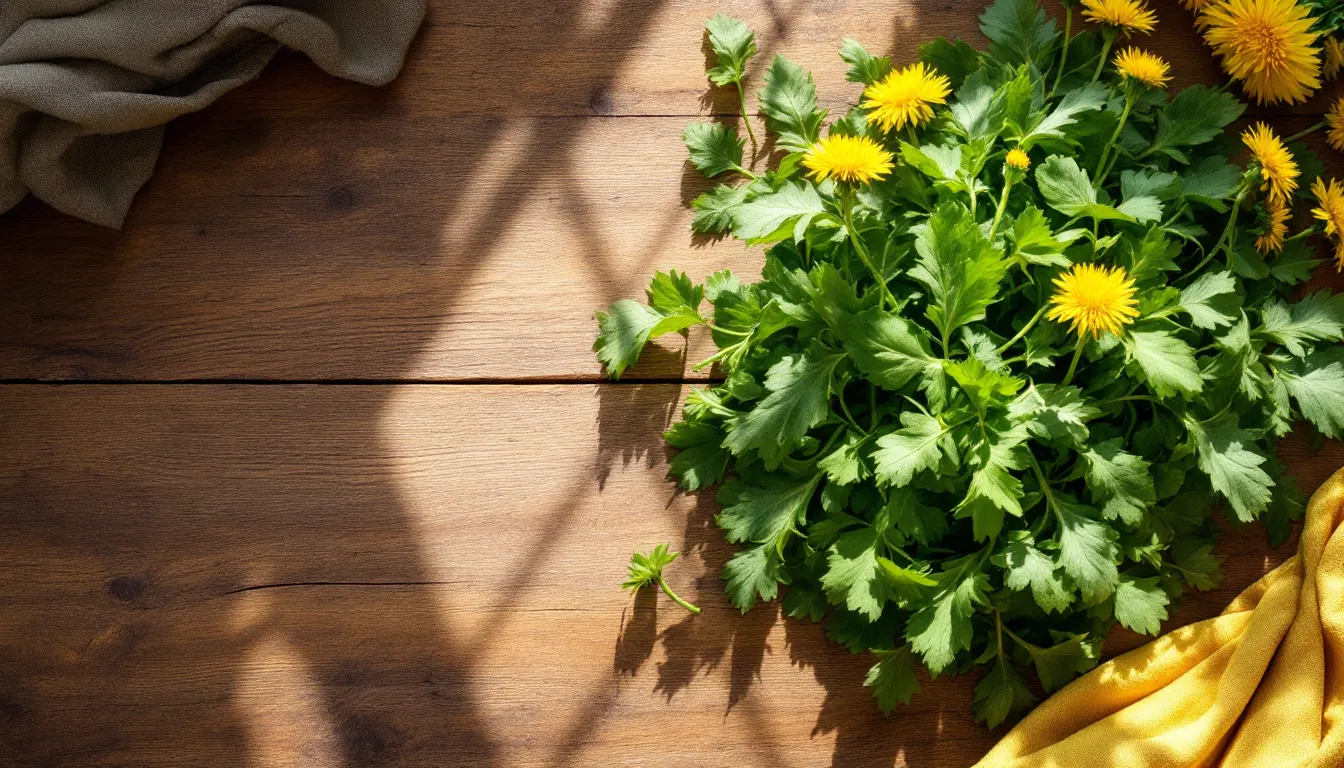
Liver-Friendly Fruits, Vegetables, and Herbs
Here’s where the Ayurvedic principle of “opposites balance” really shines. If the liver is congested with heavy, oily, dull qualities, we want to gently introduce foods that are light, slightly bitter, and warming, without being so sharp or hot that we aggravate Pitta further.
Bitter greens are the liver’s best friends. Dandelion greens, arugula, endive, kale, these carry the bitter taste that Ayurveda specifically links to liver cleansing. Bitter is light, cool, and dry in quality, which directly counters the heavy, oily stagnation that creates ama in the liver tissue.
Turmeric is the herb I reach for most often. Its warm, light, and slightly dry qualities kindle agni without overheating Pitta when used in moderate amounts. A half teaspoon in warm water or cooked into food can gently reawaken that metabolic spark, that’s tejas being supported.
Fresh citrus, especially lime, brings a sour-then-sweet quality that stimulates bile flow and digestive secretions. I like squeezing half a lime into warm water first thing in the morning. It’s subtle but genuinely helpful.
Other allies include fresh ginger (warm, light, and penetrating, great for cutting through dullness), cilantro (cool and light, wonderful for Pitta-type liver congestion), and cooked beets (their earthy sweetness supports liver tissue without adding heaviness when prepared simply).
Aloe vera juice, taken in small amounts, brings cool, smooth qualities that soothe an overheated liver while still being light enough to support digestion.
Foods and Drinks to Limit or Avoid
This part isn’t about restriction for restriction’s sake. It’s about understanding which qualities are adding to the backup.
Fried foods carry heavy, oily qualities that directly increase Kapha in the liver and smother agni. Alcohol is sharp and hot, it may feel stimulating in the moment, but it burns through ojas and creates significant ama as the liver scrambles to process it. Processed sugar is heavy and dull, feeding the very stagnation you’re trying to clear.
Dairy, especially cold, heavy dairy like ice cream or aged cheese, can increase Kapha qualities in people who are already feeling sluggish. If you love dairy, warm milk with a pinch of turmeric and ginger is a much gentler option.
I’d also suggest being mindful of excessively salty and sour foods (pickles, vinegar, fermented foods in large quantities) if you’re running Pitta-hot. These can add fuel to an already overheated liver.
Do this today: Try adding one bitter green to your next meal, even just a handful of arugula on top of whatever you’re eating. Takes about 1 minute of prep. Appropriate for all dosha types. If you have a known sensitivity to oxalates or kidney concerns, choose cilantro or dandelion over spinach and kale.
Daily Habits That Help Your Liver Recover
Hydration, Sleep, and Stress Management
Food matters a lot, but honestly? Lifestyle habits, what Ayurveda calls vihara, can be just as powerful for liver recovery.
Let’s start with hydration. Warm or room-temperature water throughout the day keeps things moving. Cold water dampens agni (think of pouring cold water on a campfire). I keep a thermos of warm water with me and sip between meals, not during. Drinking large amounts while eating dilutes the digestive secretions your liver depends on.
Sleep is where the magic of repair happens. Ayurveda places the liver’s peak processing time during the Pitta period of night, roughly 10 PM to 2 AM. If you’re routinely awake during these hours, your liver loses its prime window for metabolic housekeeping. That’s when it clears ama, rebuilds ojas, and restores tejas. I know the 10 PM bedtime feels unrealistic for some people, but even shifting 30 minutes earlier can make a difference.
Stress directly aggravates both Vata (scattered, anxious energy) and Pitta (heat, frustration). When your nervous system is in overdrive, prana, your life force, gets destabilized, and that instability pulls resources away from liver metabolism. A few minutes of slow, deep breathing before bed can help settle prana and give your liver the calm internal environment it needs to do its work.
Movement and Exercise for Better Detoxification
Movement supports the liver by countering the stable and heavy qualities of stagnation with gentle, mobile energy. But, and this is important, the type and intensity of movement matters depending on your constitution.
Gentle twisting movements are particularly helpful because they physically massage the abdominal organs and encourage circulation through the liver. A simple seated twist held for five or six breaths on each side, done in the morning, can be surprisingly effective.
Walking after meals, even just 10 to 15 minutes, stimulates agni and helps prevent the post-meal heaviness that signals Kapha accumulation. This is one of those dinacharya (daily routine) practices that’s so simple it almost feels too easy. But it works.
Avoid intense exercise right after eating. That pulls blood flow away from digestion and toward your muscles, which is exactly the opposite of what a sluggish liver needs during the critical post-meal period.
Do this today: Take a 10-minute walk after your next meal and notice how your digestion feels compared to sitting down right away. Takes 10 minutes. Good for all dosha types. If you have mobility limitations, even gentle seated twisting or slow stretching in a chair can offer similar benefits.
Simple Meal and Routine Adjustments to Start Today
This is where we bring it all together into something you can actually do, starting now. I’m going to share a practical plan rooted in ahara (food wisdom) and vihara (lifestyle alignment), along with personalized guidance based on your dosha tendencies.
For your morning, try warm water with lime and a small pinch of turmeric before eating anything. This gently wakes up agni and starts the liver’s daily cycle. Eat your largest meal at midday, when Pitta, and hence your digestive fire, is naturally strongest. This is an Ayurvedic timing principle that I’ve found makes a noticeable difference in how heavy or light I feel by evening.
Dinner can be lighter: a simple soup, steamed vegetables with rice, or kitchari (that classic Ayurvedic cleansing meal of rice and mung dal with gentle spices). The key quality here is easy to digest, light, warm, and moist rather than heavy, cold, or dry.
In the evening, try a cup of CCF tea, cumin, coriander, and fennel seeds steeped in hot water. This blend is warm and light with a gentle quality that kindles agni and helps clear ama without being harsh. It’s one of my favorite dinacharya recommendations because it’s inexpensive, easy, and genuinely effective.
A seasonal adjustment worth mentioning: during late winter and spring (Kapha season), the liver tends to feel more sluggish because the cold, heavy, damp qualities of the season mirror the very qualities that congest the liver. This is when Ayurveda’s ritucharya (seasonal routine) guidance suggests emphasizing lighter, warmer, more pungent and bitter foods. Think more ginger, more greens, less dairy, less wheat. In summer, when Pitta is naturally higher, go easier on the heating spices and favor cooling bitter greens and cilantro instead.
Now, for the personalization, because Ayurveda never takes a one-size-fits-all approach.
If you’re more Vata: Your liver sluggishness may show up as irregular digestion, gas, and anxiety alongside the heaviness. You do well with warm, nourishing, and lightly oily foods, think ghee with turmeric, warm soups, and cooked root vegetables. Your agni tends to be variable, so eating at consistent times is particularly important for you. A grounding evening routine with warm oil on the soles of your feet (just a few drops of sesame oil) can settle the mobile, dry Vata energy that scatters your liver’s ability to process steadily. Avoid raw, cold foods and erratic meal timing, these destabilize your digestion further.
Try this: A warm, spiced soup at dinner with a foot oil massage before bed. Takes about 25 minutes. Best for Vata-dominant types or anyone feeling anxious and cold. Not ideal if you’re already feeling heavy and oily, that’s more Kapha territory.
If you’re more Pitta: Your liver issue likely has a “burned out” quality, too much heat accumulated over time. You might notice skin inflammation, acid reflux, and a sharp irritability. Favor cooling, bitter foods: coconut, cucumber, cilantro, bitter greens, and sweet fruits like pears and grapes. Aloe vera juice (about two tablespoons before meals) can be wonderfully soothing. Your agni is usually strong, but it can become too sharp, like a fire that burns the pot instead of cooking the food. Avoid alcohol, excessive coffee, and very spicy food. These push Pitta’s hot, sharp qualities deeper into the liver.
Try this: A tablespoon of aloe vera juice with a pinch of turmeric before lunch. Takes 1 minute. Best for Pitta types or anyone with heat-related symptoms. Not ideal for Kapha types who already feel cool and heavy.
If you’re more Kapha: You probably feel this liver sluggishness most intensely, the heaviness, the morning grogginess, the water retention. Your agni tends to run slow and steady, which means ama accumulates more easily. You benefit from lighter, drier, and more pungent foods. Emphasize ginger, black pepper, leafy greens, and legumes. Reduce oily, sweet, and heavy foods. Getting vigorous morning exercise, even a brisk 20-minute walk, is one of the best things you can do, because it counters the stable, heavy quality that’s at the root of your congestion.
Try this: Start mornings with warm ginger-lemon water and a 20-minute brisk walk before eating. Takes about 25 minutes. Best for Kapha types or anyone feeling heavy and congested. Not ideal if you’re underweight or feeling depleted, that points more toward Vata imbalance.
Do this today: Pick the dosha profile that resonates most and try just one adjustment from that section at your next meal. Takes 5 minutes to carry out. Suitable for beginners and anyone exploring Ayurvedic eating for the first time. If you’re unsure of your dosha, start with the Pitta recommendations, since the liver is a Pitta organ, these tend to be a safe middle ground.
When to See a Doctor About Liver Concerns
I want to be straightforward here, because I care about your safety as much as I care about sharing Ayurvedic wisdom.
A vague feeling of sluggishness is one thing. But certain signs warrant professional evaluation, and soon. Yellowing of the skin or eyes (jaundice), persistent pain in the upper right abdomen, dark urine that doesn’t improve with hydration, unexplained weight loss, severe fatigue that doesn’t respond to rest, or swelling in the abdomen or legs, these are signals that something beyond lifestyle adjustment may be going on.
If you’re taking medications that affect the liver (and many common ones do, including acetaminophen and certain cholesterol drugs), it’s worth having a conversation with your doctor about liver function testing.
Ayurveda and modern medicine aren’t adversaries. In my experience, they complement each other beautifully. Use Ayurvedic principles to build a daily foundation of health, and use modern diagnostics when your body is sending stronger signals.
Do this today: If you have two or more of the serious symptoms mentioned above, schedule a check-up with your healthcare provider this week. Takes about 10 minutes to make the call. This applies to everyone, regardless of dosha type or health background.
Conclusion
Your liver is doing extraordinary work every single day, transforming, filtering, and supporting your vitality in ways you’ll never consciously notice. When it feels sluggish, it’s not failing you. It’s asking for a little more support.
The Ayurvedic approach to liver care isn’t about dramatic cleanses or deprivation. It’s about understanding the qualities that have accumulated, heavy, oily, hot, dull, and gently introducing their opposites through food, timing, movement, and rest. It’s about rekindling your agni so it can burn clean again, clearing the ama that’s been weighing you down, and rebuilding the ojas, tejas, and prana that make you feel genuinely alive.
Start small. One bitter green. One warm morning drink. One earlier bedtime. These small shifts, practiced with consistency, have a way of building on each other.
I’d love to hear what you try first, and how it feels. Drop a comment below or share this with someone who’s been dealing with that same heavy, stuck feeling. And if you’re curious: what’s one habit you’ve already noticed makes your digestion feel lighter? I’m always learning from this community too.