




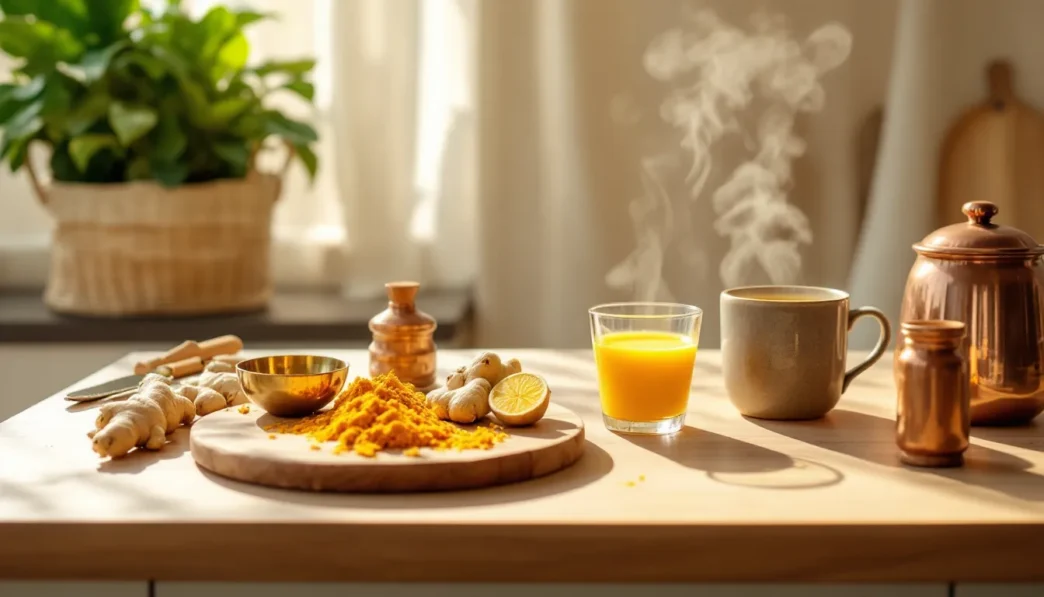
What Chronic Inflammation Really Does to Your Body
In Ayurveda, inflammation isn’t just a lab value. It’s understood as a buildup of hot, sharp, and mobile qualities, primarily a Pitta imbalance, that starts in the digestive tract and gradually spreads into deeper tissues.
When your digestive fire (called agni) gets overwhelmed or destabilized, food doesn’t break down completely. What’s left behind is a sticky, heavy metabolic residue called ama. Think of ama like grease coating the inside of a pipe, it blocks flow, creates heaviness, and becomes a breeding ground for deeper imbalance.
Over time, that ama mixes with excess heat. In Ayurvedic terms, this is called amavisha, toxic, heated residue. It moves through your blood and lymph and settles in vulnerable spots: your joints, your gut lining, your skin. This is what chronic inflammation actually looks like from the inside.
Each constitution feels it differently. If you’re more Vata-predominant, you might notice dry, crackling joints and anxiety alongside the inflammation. Pitta types tend toward burning sensations, rashes, and irritability. Kapha types often experience swelling, water retention, and a heavy sluggishness that won’t lift.
The real damage? Chronic inflammation quietly erodes ojas, your deep reservoir of resilience and immunity. It dims tejas, the metabolic clarity that keeps your mind sharp. And it scatters prana, the steady life-force energy your nervous system depends on.
Do this today: Pause and notice where inflammation shows up for you, is it heat, swelling, dryness, or fog? Spend two minutes just observing. This is for anyone beginning to connect symptoms to patterns. If your symptoms are severe or sudden, consult a practitioner first.
Hidden Dietary Triggers That Fuel Inflammation
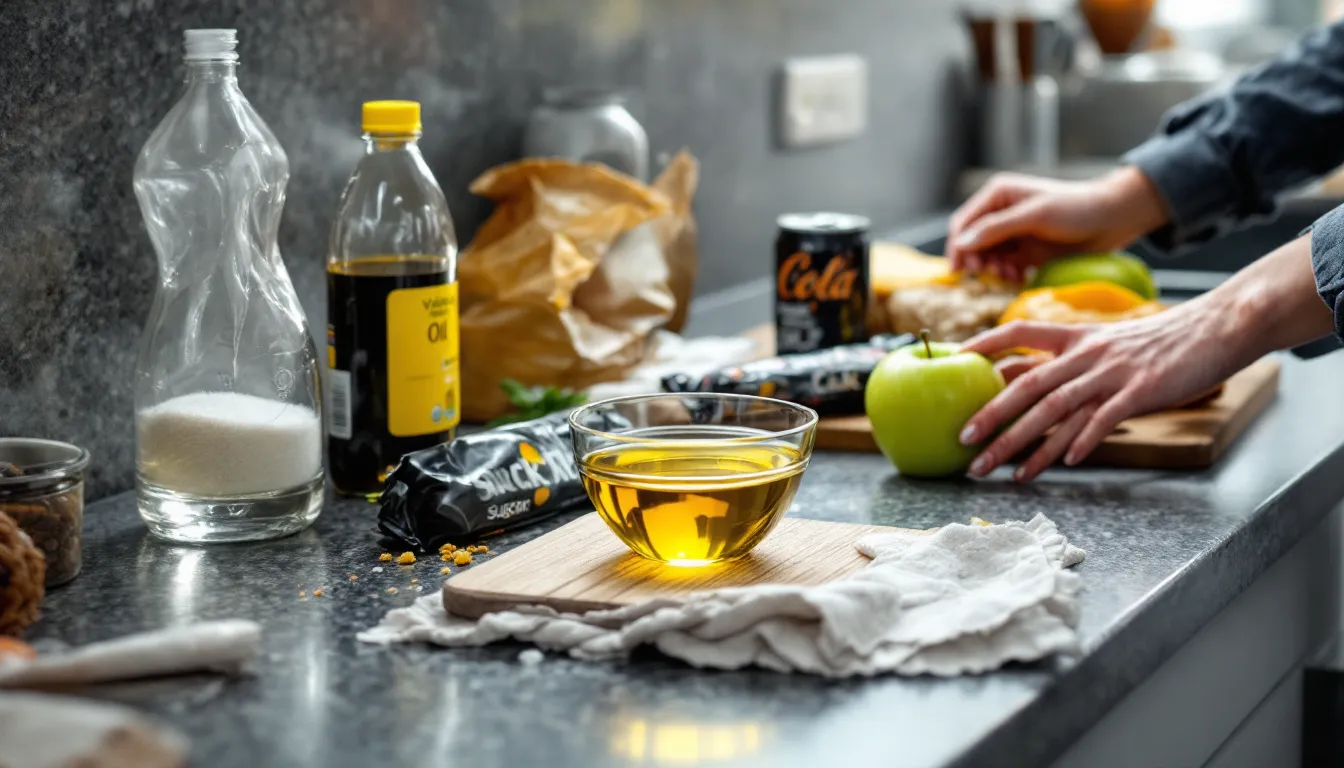
What we eat is the most direct conversation we have with our agni. And certain modern foods don’t just fail to nourish, they actively destabilize digestion and generate ama.
Refined Sugars and Processed Oils
Refined sugar is sharp and hot in its post-digestive effect. It hits your system fast, spikes metabolic activity, and then crashes, leaving behind sticky, heavy residue that your agni can’t process efficiently. Over time, this feeds the cycle of ama accumulation.
Processed seed oils carry a similar problem. They’re heavy and dull in quality, which means they slow digestion and coat the channels your body uses to transport nutrients. When agni has to work through that kind of heaviness day after day, it weakens. And weakened agni is the root of almost every inflammatory pattern I’ve seen in Ayurvedic practice.
Alcohol and Ultra-Processed Foods
Alcohol is intensely hot and sharp, it aggravates Pitta almost immediately, and over time it dries out Vata as well. Even moderate, regular drinking can erode the gut lining’s natural intelligence and push ama deeper into the blood tissue.
Ultra-processed foods are a combination of almost every aggravating quality: sharp, dry, light (in the sense of lacking substance), and mobile. They move through the body quickly without offering real nourishment, leaving metabolic confusion in their wake.
Do this today: Pick one inflammatory trigger you eat or drink regularly, maybe it’s the afternoon soda or the cooking oil in your pantry, and try replacing it for a week. Give yourself about five minutes to plan the swap. This is for anyone at a beginner level. If you have blood sugar concerns or an eating disorder history, work with a professional before making dietary changes.
How Stress and Poor Sleep Keep Inflammation Elevated
Here’s something I wish I’d understood sooner: you can eat beautifully and still be inflamed if your nervous system is running hot.
In Ayurveda, chronic stress increases the mobile, light, and dry qualities of Vata, which then fans the flames of Pitta’s heat. It’s like wind on a fire. Your agni becomes erratic: sometimes too sharp, sometimes too weak. Digestion gets inconsistent, ama accumulates unevenly, and your body starts producing inflammation almost defensively.
Sleep is where this gets really interesting. The hours between 10 p.m. and 2 a.m. belong to Pitta time, this is when your body’s internal intelligence does its deepest cleansing and tissue repair. If you’re scrolling your phone at midnight or falling asleep after 11, you’re missing the window where your body naturally processes and clears ama.
Poor sleep also drains ojas directly. I’ve noticed it in myself, after a few bad nights, my skin looks duller, my patience runs thin, and my digestion feels sluggish. That’s ojas depletion showing up in real time.
Meanwhile, chronic stress scatters prana, making your thoughts race and your breath shallow. When prana is scattered, your body can’t direct healing energy where it’s needed.
Do this today: Try being in bed by 10 p.m. for three consecutive nights and notice what shifts. That’s it, no elaborate routine, just an earlier lights-out. Takes zero extra minutes, just a decision. This is for everyone, but especially Vata and Pitta types who tend to stay up late. If you have a diagnosed sleep disorder, work with your healthcare provider.
Lifestyle Habits That Calm the Inflammatory Response
Because inflammation involves excess heat, sharpness, and mobility, the Ayurvedic correction leans on opposite qualities: cool, smooth, stable, and slightly oily.
One of the most effective practices I’ve personally relied on is abhyanga, warm oil self-massage. Using a cooling oil like coconut (for Pitta types) or a grounding sesame oil (for Vata types) before a shower coats the skin, calms the nervous system, and moves stagnant lymph. The smooth, oily, and stable qualities directly counter inflammation’s rough, dry sharpness.
Gentle movement matters too. Not intense, heating exercise, that can actually worsen Pitta-driven inflammation. I’m talking about slow walks after meals, gentle stretching in the morning, or restorative yoga in the evening. The goal is to encourage circulation without generating more internal heat.
Breathing practices also help recalibrate prana. Even five minutes of slow, even breathing, particularly cooling breaths where you exhale longer than you inhale, can shift your system out of a reactive, inflamed state.
Do this today: Try a five-minute oil massage on your feet and calves before bed tonight. Use whatever kitchen-quality oil you have. This is for anyone, and especially soothing for Vata and Pitta constitutions. If you have skin infections or open wounds, skip the oil on those areas.
Anti-Inflammatory Foods Worth Adding to Your Plate
In Ayurveda, the best anti-inflammatory foods aren’t about isolated compounds, they’re about qualities that pacify heat and support agni without creating more ama.
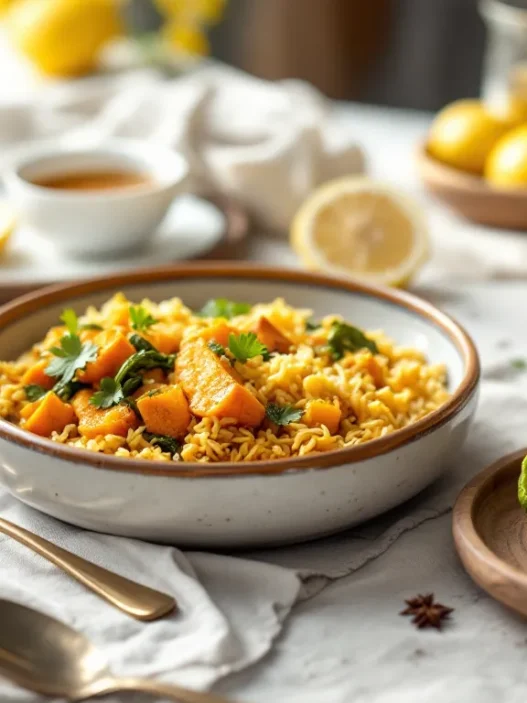
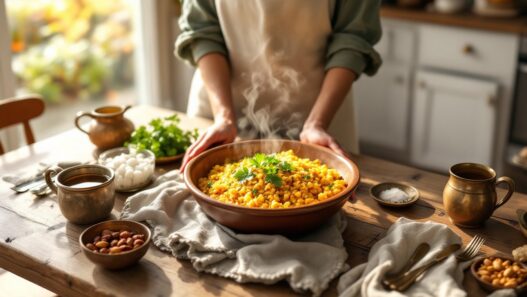
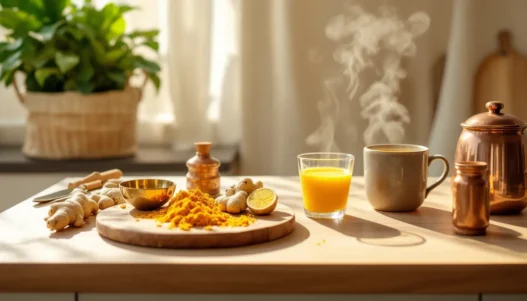
Turmeric is the classic. It’s warm but not overly hot, and it’s light and dry enough to help scrape ama from channels without aggravating Vata too much (especially when cooked with a little ghee). I add it to warm milk or rice almost daily.
Fresh ginger kindles agni beautifully, its sharp, light quality helps burn through sluggish digestion, which is often the hidden root of Kapha-type inflammation. A thin slice with a pinch of mineral salt before meals can make a noticeable difference.
Cooked leafy greens like spinach, chard, and bitter greens carry a natural cooling, light, and slightly rough quality that helps Pitta without creating heaviness.
Ghee, and I really can’t overstate this one, is smooth, cool, and oily in its post-digestive effect. It nourishes ojas, lubricates tissues, and helps carry the healing properties of spices into deeper layers of the body. A teaspoon with meals can calm an irritated gut lining over time.
Ripe, sweet fruits like pomegranate, cooked apples, and soaked raisins replenish tejas and prana gently, without the sharp sugar spike of processed sweets.
Do this today: Add a half teaspoon of turmeric cooked in ghee to one meal, it takes about two minutes. This is suitable for all constitutions. If you have gallbladder issues, go easy on the ghee and consult your practitioner.
Simple Daily Routines to Stay Consistent
Ayurveda’s real power isn’t in dramatic interventions, it’s in dinacharya, the rhythm of small, repeated daily habits that keep your system in balance before inflammation has a chance to build.
Two habits have made the biggest difference for me personally.
First, eating my main meal between 11 a.m. and 1 p.m., when Pitta-time agni is at its strongest. This is when your body can handle heavier, more complex foods without generating ama. Eating your largest meal late at night, when agni is naturally low, is one of the sneakiest causes of inflammatory buildup.
Second, a brief morning tongue-scraping practice. It sounds small, but that coating on your tongue each morning? That’s a visible sign of ama. Gently removing it with a copper or stainless steel scraper takes thirty seconds and gives you a daily read on how well your digestion performed overnight.
For seasonal wisdom, ritucharya, I adjust based on the qualities of the time of year. In hot summer months, I lean toward cooling foods, lighter oils, and less intense exercise. In cold, dry winter, I increase warm, oily, grounding foods and extend my oil massage routine. These shifts prevent the seasonal dosha surges that often trigger inflammatory flares.
Do this today: Start with tongue scraping tomorrow morning, it takes thirty seconds and costs almost nothing. This is for everyone regardless of constitution. If you have a very sensitive gag reflex, try scraping gently and only the front two-thirds of the tongue.
Conclusion
Lowering inflammation naturally isn’t about perfection or overhauling your life in a weekend. It’s about recognizing the everyday triggers, the late nights, the rushed meals, the foods that quietly generate heat and residue, and making small, steady corrections that match your unique constitution.
What I love about the Ayurvedic approach is that it doesn’t ask you to fight your body. It asks you to listen. To notice qualities, am I running hot, dry, heavy, scattered?, and respond with their opposites. Over time, this builds ojas back up, steadies prana, and restores the metabolic clarity of tejas.
You don’t need to do everything at once. Pick one thing from this article that resonated with you and try it for a week.
I’d genuinely love to hear what you’re noticing in your own body. What’s your biggest inflammation trigger, and what’s one small shift you’re willing to try? Drop a thought in the comments or share this with someone who’s been struggling quietly.