







What Is Ritucharya in Ayurveda?
In Sanskrit, Ritu means season and Charya means conduct or discipline. So Ritucharya is literally “seasonal conduct”, a set of guidelines for how to eat, move, rest, and live as the world around you changes.
But it’s more than just swapping salads for soups in winter. Ritucharya is rooted in a core Ayurvedic principle: like increases like, and opposites bring balance. When the environment becomes hot, sharp, and intense (think midsummer), those same qualities build inside you. If you’re already running warm, say, you’re a Pitta-predominant person, that accumulation can tip into irritability, acid reflux, or skin flare-ups.
Ritucharya gives you the tools to counterbalance whatever nature is doing. It touches everything: the foods you favor, the oils you use on your skin, when you wake up, how vigorously you exercise, and even how much social stimulation you take on.
What I love about this system is that it doesn’t ask you to fight nature. It asks you to dance with it. You’re not forcing your body into some rigid protocol, you’re reading the environment and responding with intelligence. That intelligence, in Ayurvedic terms, is deeply connected to Agni, your digestive and metabolic fire. When Agni is supported by seasonal awareness, it processes food cleanly, keeps your tissues nourished, and prevents the buildup of ama, that sluggish, sticky residue of incomplete digestion that clouds your thinking and drags your energy down.
When Ritucharya is practiced well, it protects three things Ayurveda considers precious: Ojas (your deep immune resilience and vitality), Tejas (the subtle metabolic spark behind clarity and discernment), and Prana (the life force that keeps your nervous system steady and your breath full). Lose track of the seasons, and these three quietly erode. Honor the seasons, and they flourish.
Do this today: Spend five minutes noticing the qualities of the current season outside, is the air dry or moist, warm or cool, heavy or light? This simple observation is the first step in Ritucharya. Takes about five minutes and is perfect for anyone, regardless of constitution.
The Six Seasons (Ritus) and Their Impact on the Body

Ayurveda doesn’t follow the standard four-season model. It divides the year into six seasons, each roughly two months long. These six Ritus are grouped into two larger halves: Uttarayana (the northern journey of the sun, when nature gradually becomes more drying and depleting) and Dakshinayana (the southern journey, when nature becomes more nourishing and building).
Understanding this framework helps you see why your energy naturally dips and surges at certain times of year, and why fighting that rhythm tends to backfire.
Shishira (Late Winter) and Vasanta (Spring)
Shishira, roughly mid-January through mid-March, is cold, dry, and rough. The air bites. Your body responds by tightening, conserving heat, and actually strengthening Agni, your digestive fire burns brighter in cold weather, much like you’d stoke a furnace when it’s freezing outside. This is when your body can handle heavier, more nourishing foods. Ojas builds naturally in this period if you eat well and rest deeply.
Then comes Vasanta, spring, and everything begins to melt. Literally. The Kapha that accumulated during winter (all that heavy, cool, oily, stable quality) starts to liquefy as temperatures rise. This is why so many people experience congestion, sinus heaviness, lethargy, and that foggy “I can’t get going” feeling in March and April. Agni can become sluggish under the weight of all that accumulated Kapha, and ama tends to build if you keep eating the same rich winter foods into spring.
Do this today: If you’re reading this in late winter, favor warm, well-cooked meals with moderate spices like ginger and black pepper. If it’s spring, lighten up, try lighter grains, bitter greens, and a bit of honey in warm water first thing in the morning. Takes about ten minutes to adjust your breakfast. This is especially helpful for Kapha-predominant individuals, though everyone benefits.
Grishma (Summer) and Varsha (Monsoon)
Grishma is summer at its peak, hot, sharp, light, and dry. The sun is intense. Pitta accumulates. Your body’s moisture evaporates more quickly, and Agni actually becomes more delicate (not stronger, as many people assume). This is not the time for heavy exercise or fiery foods. Your tissues are more depleted, and Prana can scatter when you push too hard in the heat.
Varsha, the monsoon or rainy season, follows with a sudden shift toward moisture, heaviness, and cool dampness. Vata, which accumulated during summer’s dryness and mobility, gets aggravated as the atmosphere becomes unstable, think unpredictable weather, gusty winds, and fluctuating barometric pressure. Digestion tends to weaken further. This is a vulnerable time for ama formation, and many people notice joint stiffness, bloating, or anxiety during this period.
Do this today: In summer, favor sweet, cooling foods, think ripe fruits, coconut water, and cooling herbs like coriander and fennel. During the rainy season, bring in light, warm, mildly spiced foods and try to keep meals simple. Takes no extra time, it’s about choosing differently, not cooking longer. Especially important for Pitta types in summer and Vata types during the rains.
Sharad (Autumn) and Hemanta (Early Winter)
Sharad, autumn, is when the heat that built up in your body over summer finally releases. It’s Pitta’s classic aggravation season. The weather may feel pleasant outside, but internally, that stored heat can surface as skin rashes, acid reflux, impatience, or inflammatory flare-ups. The qualities are still warm and sharp, though the air begins to dry.
Hemanta, early winter, marks a transition into cold, heavy, oily, and stable qualities. Kapha starts its slow accumulation. But here’s the interesting part: Agni strengthens considerably as temperatures drop. This is actually one of the best times of year for nourishing your tissues deeply, building Ojas, supporting Tejas, and stabilizing Prana. The body wants to store and fortify.
Do this today: In autumn, favor cooling, sweet, and bitter foods, think rice, ghee, leafy greens, and pomegranate. In early winter, lean into warm, heavier, well-spiced meals with healthy fats. Takes about ten to fifteen minutes of meal planning. Particularly supportive for Pitta types in autumn and Vata types in early winter who need grounding nourishment.
How Ritucharya Balances the Doshas Throughout the Year
Here’s where Ritucharya gets really elegant. Each dosha follows a predictable annual cycle: it accumulates (sanchaya) in one season, aggravates (prakopa) in the next, and naturally pacifies in the one after that, provided you haven’t let things go too far.
Kapha accumulates in early winter when cold, heavy, oily qualities build in the body. It aggravates in spring when rising temperatures cause that stored Kapha to liquefy and flood the channels. If you ate too heavily all winter and skipped movement, spring hits hard.
Pitta accumulates during summer as heat, sharpness, and intensity build. It aggravates in early autumn when the body releases that stored heat. This is why some people feel fine all summer and then crash in September with acid reflux or skin issues, the delayed release catches them off guard.
Vata accumulates in the dry, mobile, light qualities of late summer and aggravates during the monsoon or early fall when instability peaks. Anxiety, irregular digestion, dry skin, and restless sleep are classic signs.
The genius of Ritucharya is that it addresses each dosha before it tips into aggravation. You lighten your diet in late winter so Kapha doesn’t overwhelm you in spring. You cool your system in summer so Pitta doesn’t erupt in autumn. You ground and oil your body in late summer so Vata doesn’t spiral during the rains.
This proactive approach is what protects your Ojas from getting depleted season after season. It keeps Tejas, that inner clarity, from being smothered by ama. And it steadies Prana so your nervous system doesn’t ride the rollercoaster of seasonal change.
Do this today: Identify which dosha is most likely accumulating for you right now, based on the current season and your own tendencies. Even a general awareness helps you make better daily choices. Takes a few moments of honest reflection. Helpful for everyone, especially those who notice they “always get sick” or “always feel off” at the same time each year.
Seasonal Diet Guidelines According to Ritucharya
Food is the most direct way to practice Ritucharya, and the guiding principle is beautifully simple: eat the qualities your body needs to counterbalance what the season is creating.
In cold, dry seasons (late winter especially), your Agni is strong and your body craves substance. This is when you can enjoy heavier, oily, warm, and sweet foods, think stews, root vegetables, ghee, sesame oil, warm milk with spices, and whole grains like wheat. The heavy and oily qualities counterbalance the cold and dry environment, and strong Agni processes these foods efficiently.
In spring, you want to shift toward lighter, drier, and slightly warming foods. Bitter and astringent tastes help clear Kapha, barley, millet, leafy greens, turmeric, and light broths. Honey (always unheated) is considered a beautiful spring food in Ayurveda because of its dry, scraping quality that gently moves accumulated Kapha.
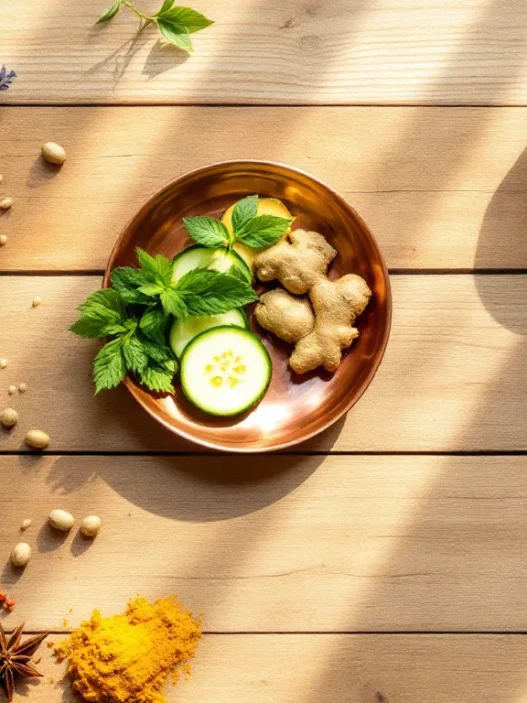
Summer calls for cool, sweet, liquid, and mildly oily foods. Cucumber, melon, coconut, mint, coriander, basmati rice, and small amounts of ghee. Avoid anything overly sharp or pungent, raw onions, excessive chili, fermented foods. These increase Pitta’s heat and can dry out the subtle moisture your tissues need.
During the monsoon, keep meals warm, light, and freshly cooked. Avoid raw foods and leftovers, your Agni is at its weakest, and anything hard to digest will likely become ama. A little ginger, cumin, and black pepper can support digestion without overwhelming it.
In autumn, favor sweet, bitter, and cooling foods to soothe residual Pitta. Ghee is your friend here. So are sweet fruits, milk, and grains. Avoid sour, salty, and excessively spicy foods.
Early winter circles back to nourishment, warm, unctuous, grounding meals. Your body is preparing to build reserves. Honor that.
Do this today: Look at your current meals and ask one question, do the qualities of what I’m eating match what this season needs? You don’t have to overhaul everything. Even adjusting one meal a day takes five minutes of thought and makes a genuine difference. This works for all constitutions, though the specifics shift (see the personalization section below).
Lifestyle Practices and Daily Routines for Each Season
Ritucharya isn’t only about food. Your daily routine, what Ayurveda calls Dinacharya, needs seasonal adjustment too.
Let me share two daily habits that shift meaningfully with the seasons.
Self-massage (Abhyanga) is one of the most grounding, nourishing practices in Ayurveda. In cold, dry months, warm sesame oil is deeply soothing, it’s heavy, oily, and warming, which directly counterbalances Vata’s rough, dry, mobile qualities. In summer, switch to coconut oil, which is cooling and lighter. In spring, you might use a dry powder massage (Udvartana) with chickpea flour instead, the dry, rough quality helps move stagnant Kapha. Doing this before your morning shower, even for just ten minutes, stabilizes Prana and builds Ojas over time.
Exercise timing and intensity also follow the seasons. In winter and early spring, your body can handle more vigorous movement, your Agni is strong, your tissues are fortified, and Kapha benefits from being stirred up. In summer, dial it back. Gentle walking, swimming, or slow yoga in the cooler parts of the day protects Pitta from overheating and preserves your moisture and vitality. During the rainy season, moderate indoor movement keeps Vata grounded without depleting an already-vulnerable system.
Beyond these two anchors, consider your sleep rhythm. In summer, when days are long and heat is draining, Ayurveda actually permits a short afternoon rest (unusual, since daytime sleep is generally discouraged because it increases Kapha). In winter, honor the longer nights. Going to bed a bit earlier and rising with or just before the sun supports your body’s natural repair cycles and keeps Tejas from dimming.
Do this today: Choose one daily habit, self-massage or exercise timing, and adjust it for the current season. Commit to it for one week. Takes ten to fifteen minutes daily. Suitable for all constitutions: adjust the oil or intensity based on your dosha (see below).
Adapting Ritucharya Principles to Modern Life
I hear this concern a lot: “I live in an air-conditioned apartment and work under fluorescent lights. Do the seasons even matter for me?”
They do. Maybe even more so.
Modern life has created a strange paradox. We’ve insulated ourselves from the environment, but our biology hasn’t gotten the memo. Your hormones still respond to light changes. Your digestion still shifts with temperature. Your nervous system still registers barometric pressure and humidity, even if you’re indoors all day.
What’s happened is that we’ve lost the natural cues. We eat cold salads in January because they’re “healthy.” We drink iced coffee in every season. We exercise at the same high intensity year-round. And then we wonder why we feel disconnected, depleted, or chronically inflamed.
Ritucharya in modern life doesn’t require moving to a farm. It asks for something quieter, awareness.
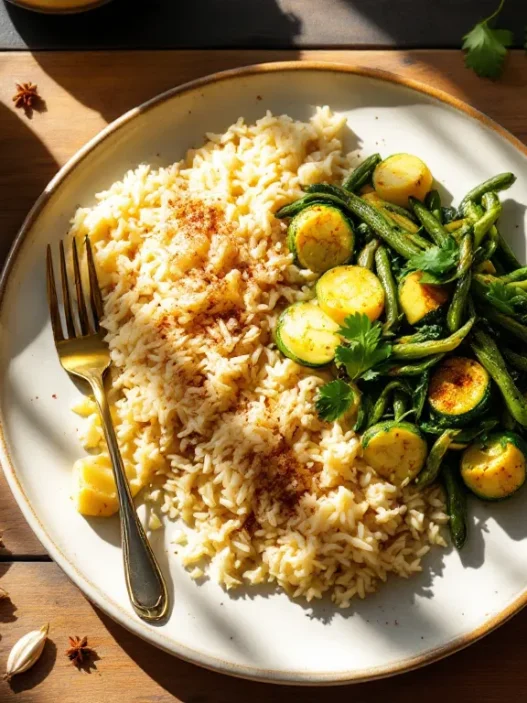
Start with one meal. Adjust the temperature and heaviness of your breakfast based on what’s happening outside. In winter, a warm bowl of oatmeal with ghee and cinnamon. In summer, a light fruit bowl with a little coconut. That single shift, done consistently, begins to recalibrate your relationship with the seasonal rhythm.
If you’re someone who spends most of the day in artificial environments, stepping outside for even five to ten minutes in the morning becomes a powerful Ritucharya practice. Let your skin feel the air. Let your eyes register the quality of light. This simple exposure helps Prana attune to the season and supports your circadian rhythm, something modern science increasingly confirms matters for everything from sleep quality to metabolic health.
Do this today: Step outside within thirty minutes of waking and spend five minutes just noticing, the temperature, the air quality, the light. Then let that observation inform one food or lifestyle choice for the day. Takes five minutes. Wonderful for everyone, and especially supportive for Vata types who tend to lose their seasonal grounding most easily in climate-controlled environments.
Common Mistakes When Following a Seasonal Routine
After years of studying and practicing Ritucharya, I’ve noticed a few patterns that trip people up.
Changing too abruptly. The seasons don’t flip like a switch, and your diet and routine shouldn’t either. Transition gradually. If you’ve been eating heavy winter foods, start lightening up a few weeks before spring fully arrives. Sudden shifts confuse Agni and can actually create more ama than they prevent.
Ignoring your constitution. Ritucharya is a general framework, but you’re not general, you’re specific. A Kapha person in winter doesn’t need the same level of heavy, oily nourishment that a Vata person does. Kapha is already accumulating naturally: piling on more heavy, stable qualities can lead to congestion and lethargy. Conversely, a Vata person in summer still needs some grounding even though the general advice is to lighten up.
Here’s a quick personalization guide:
If you’re more Vata, your priority across all seasons is stability, warmth, and moisture. In cold months, emphasize warm, oily, heavy foods and a consistent sleep schedule. In summer, don’t go too light or too raw, keep some cooked, grounding meals in your day. Try warm sesame oil massage daily, especially in autumn and winter. Avoid skipping meals or irregular routines. Takes about ten minutes of meal prep adjustment. Best for Vata-predominant or Vata-aggravated individuals.
If you’re more Pitta, your priority is keeping cool and not over-scheduling. In summer, reduce sharp and hot foods, favor sweet and bitter tastes, and avoid intense midday exercise. In winter, enjoy the season, your constitution handles cold better than most. Try coconut oil massage in warm months. Avoid competitive or overly intense situations during Pitta-aggravating seasons. Takes about ten minutes of intentional planning. Best for Pitta-predominant individuals.
If you’re more Kapha, your priority is movement, lightness, and stimulation. In spring, this is non-negotiable: increase exercise, favor dry and light foods, and use warming spices liberally. In winter, resist the urge to hibernate too deeply, keep some vigor in your routine. Try dry brushing or Udvartana massage in spring. Avoid excessive sleep, heavy daytime naps, and cold, damp foods during Kapha seasons. Takes about fifteen minutes of routine adjustment. Best for Kapha-predominant individuals.
Applying textbook Ritucharya to a climate that doesn’t match. If you live in a tropical region with no real winter, the classical six-season model may not map neatly onto your year. Focus on the qualities around you rather than the calendar labels. Is it hot and humid? Apply monsoon and summer principles. Is there a dry, cool spell? That’s your winter wisdom. Ritucharya is about reading your environment, not following a rigid script.
Do this today: Pick the mistake that resonates most with you and make one small correction this week. Takes five minutes of honest self-assessment. Relevant for everyone practicing, or wanting to practice, seasonal living.
Conclusion
If there’s one thing I hope you take away from all of this, it’s that Ritucharya isn’t about perfection. It’s about paying attention.
Nature is already doing its thing, cycling through qualities, shifting the balance of light and dark, heat and cold, moisture and dryness. Your body is part of that cycle, whether you acknowledge it or not. Ritucharya simply invites you to participate consciously. To eat in rhythm. To rest in rhythm. To move in rhythm.
And the beautiful part? You don’t have to do it all at once. One seasonal meal adjustment. One morning walk to feel the air. One oil change in your self-massage. These small, quality-based choices accumulate over time, strengthening your Agni, clearing ama, and nourishing that precious triad of Ojas, Tejas, and Prana that keeps you feeling truly alive.
I’d love to hear where you are in your seasonal journey. What season are you in right now, and what’s one small thing you could shift this week to feel more aligned with it?