






Understanding What Triggers Eczema Flare-Ups
In Ayurveda, eczema-prone skin reflects an imbalance that’s been building for a while, often long before the skin reacts. The concept of nidana, or root cause, is central here. Rather than blaming the skin itself, we look at what disrupted the body’s internal environment enough for irritation to surface.
The skin is considered a mirror of your rasa dhatu (the body’s first nutritive tissue, formed from digestion) and rakta dhatu (the blood tissue). When digestive fire, what Ayurveda calls agni, weakens, it can’t fully process what we eat, breathe, or absorb emotionally. The residue left behind, called ama, starts circulating. Eventually, it settles in the skin, and that’s when we see dryness, redness, or itchy patches.
Different people experience this differently, depending on their constitution. If you tend toward a Vata nature (naturally dry, light, mobile), your eczema might look dry, rough, and cracked, especially in cold or windy weather. Pitta-dominant skin tends to flare with heat, redness, and sharp stinging. Kapha-type eczema can be weepy, oozing, or thick and slow to heal.
Environmental and Lifestyle Triggers
From an Ayurvedic lens, environmental triggers aren’t random, they carry qualities that push your doshas out of balance. Cold, dry, windy weather increases Vata qualities in the skin, making it rough and depleted. Hot, humid conditions can aggravate Pitta, bringing that sharp, burning irritation. Damp, heavy environments tend to provoke Kapha, leading to sluggish skin that holds onto moisture in unhelpful ways.
Beyond weather, lifestyle plays a huge role. Irregular routines, eating at odd hours, sleeping late, constant travel, increase the mobile and erratic qualities of Vata, which destabilizes skin over time. Overstimulation from screens, harsh lighting, and fast-paced living fans Pitta’s heat. And too much sedentary time, heavy food, or emotional stagnation can thicken Kapha’s tendency to accumulate.
Dietary and Internal Triggers
Ayurveda pays close attention to food, not just what you eat, but how and when you eat it. Foods that are overly spicy, sour, or fermented can inflame Pitta and push heat toward the skin. Dry, cold, raw foods eaten in excess can aggravate Vata and deplete the skin’s natural moisture. Heavy, oily, sweet foods in large quantities can slow Kapha’s metabolism and create ama.
Emotions matter too. Unresolved frustration and anger generate internal heat. Anxiety and fear increase dryness and instability. Grief and attachment can create heaviness and stagnation. These aren’t abstract ideas, they affect digestion, which affects tissue quality, which affects your skin.
Try this today: Spend five minutes noticing which qualities describe your current flare-up, is it dry and rough, hot and sharp, or heavy and damp? This takes about five minutes of honest observation and works for anyone, regardless of experience with Ayurveda. If you’re unsure, simply start with what you can see and feel.
Building a Gentle Daily Skincare Routine

Ayurveda’s approach to daily care, dinacharya, isn’t about complicated regimens. It’s about consistency and gentleness. For eczema-prone skin, the principle of “like increases like, opposites balance” is your guide. If your skin feels dry and rough, you bring in oily and smooth. If it’s hot and inflamed, you reach for cool and soothing.
The skin’s outermost layer functions like a protective boundary. In Ayurveda, healthy skin reflects strong ojas, that deep reservoir of resilience and immunity. When ojas is depleted through poor digestion, stress, or harsh products, the skin barrier weakens. Rebuilding it gently is the priority.
Choosing the Right Cleanser and Moisturizer
I’d encourage you to think of cleansing not as stripping, but as gentle support. Traditional Ayurvedic skin care often uses grain-based cleansers, finely ground oat flour or chickpea flour mixed with a little warm water, because they clean without removing the skin’s natural oils. These are light and smooth in quality, which balances roughness without adding heaviness.
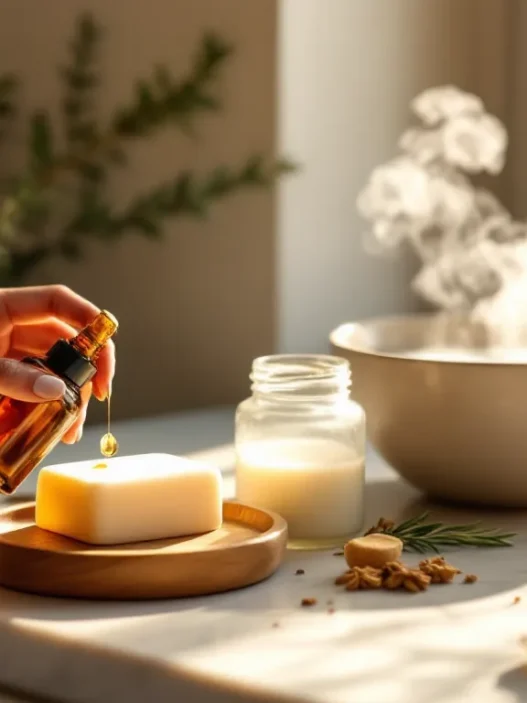
For moisturizing, abhyanga (oil application) is one of Ayurveda’s most treasured daily practices. Applying a thin layer of warm, unrefined oil to damp skin after bathing helps lock in moisture and calm Vata’s dryness. Sesame oil works well in cool months for its warming, heavy qualities. Coconut oil suits Pitta-type skin because it’s cooling and smooth. Sunflower oil offers a lighter option for Kapha-dominant skin.
The key is to apply oil when the skin is still slightly damp, this helps the moisture absorb rather than just sitting on the surface.
Ingredients to Avoid on Sensitive Skin
Ayurveda would describe many conventional skincare ingredients as having sharp, hot, or penetrating qualities that overwhelm reactive skin. Synthetic fragrances, alcohol-based toners, and harsh sulfates strip away the skin’s natural protective layer. For someone with eczema, these ingredients can be like pouring kerosene on a small fire.
Even some “natural” ingredients can be too stimulating. Essential oils like eucalyptus, cinnamon, or clove carry intense heat and sharpness. If your skin is already inflamed, these will likely make things worse.
Look for products, or simple homemade preparations, that emphasize cool, smooth, and stable qualities. Simplicity is your friend here.
Try this today: After your next bath or shower, while your skin is still damp, apply a thin layer of plain, organic coconut or sesame oil (depending on whether your skin runs hot or cool). Gently pat, don’t rub. This takes about three minutes and is suitable for most skin types. If you have very oily or congested skin, use a lighter oil or try this only on dry patches.
Natural Remedies That Help Soothe Eczema-Prone Skin
When it comes to calming eczema-prone skin naturally, Ayurveda looks at the qualities of each remedy and matches them to the qualities of the imbalance. This isn’t guesswork, it’s a system. Cool balances hot. Oily balances dry. Smooth balances rough. Stable balances mobile. Every remedy earns its place by addressing specific qualities that have gone out of balance.
This is also where we support tejas, the subtle metabolic intelligence that governs how the skin transforms and renews itself. When tejas is functioning well, the skin can heal. When it’s depleted or aggravated, healing stalls or inflammation flares.
Colloidal Oatmeal and Aloe Vera
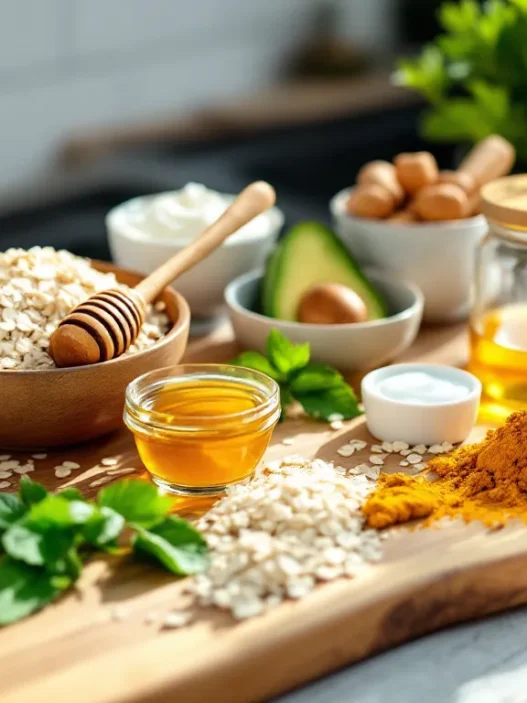
Colloidal oatmeal is one of those remedies that Ayurveda and modern dermatology actually agree on. Its qualities are cool, smooth, and heavy, the exact opposites of the hot, rough, light qualities that characterize inflamed skin. It creates a soothing film that protects the barrier and reduces that maddening itch.
Aloe vera, known in Ayurveda as kumari, is cooling and slightly oily, wonderful for Pitta-type eczema with redness and burning. I like to keep a fresh aloe leaf in the fridge and apply the gel directly. There’s something deeply satisfying about using a living plant to calm living skin.
Both of these work topically to reduce surface inflammation while supporting the skin’s ability to hold moisture.
Healing Oils and Butters for the Skin Barrier
Oils and butters bring the oily, smooth, and stable qualities that eczema-prone skin desperately needs. In Ayurveda, medicated oils, called taila, have been used for thousands of years to nourish depleted tissues.
Shea butter, with its thick, heavy, grounding nature, works wonderfully on very dry, cracked Vata-type patches. Jojoba oil is lighter and more balancing, its composition closely resembles the skin’s own sebum, making it a smart choice across constitutions. For Pitta-aggravated skin, I often recommend ghee (clarified butter) applied topically, it’s cooling, smooth, and deeply nourishing to the tissue layer.
The idea is to feed the skin barrier the qualities it’s lost.
Anti-Inflammatory Herbs and Botanicals
Ayurveda has a rich tradition of skin-supporting herbs. Neem is bitter and cooling, it’s one of Ayurveda’s go-to botanicals for Pitta-type skin conditions because bitterness naturally reduces heat and helps the body clear ama from the blood tissue. Turmeric, with its warm, dry, light qualities, supports tejas and helps the body metabolize inflammatory residues, though it’s best used in small amounts topically if your skin runs hot.
Manjistha (Indian madder) is a classic blood-purifying herb in Ayurveda that helps clear heat and stagnation from the rakta dhatu. It’s bitter and cooling, making it especially useful when eczema flares with redness.
Licorice root (yashtimadhu) brings sweet, cool, and heavy qualities, it’s soothing for all three doshas and supports ojas, which strengthens the skin’s deeper resilience.
Try this today: Choose one topical remedy that matches your skin’s current state, cooling aloe for hot, red patches: a nourishing oil for dry, rough areas: or a neem-infused wash for congested, Kapha-type skin. Apply once daily for a week and notice how your skin responds. This takes about five minutes. It’s suitable for most people, but if you’re pregnant or on medication, check with a qualified practitioner first.
Strengthening the Skin Barrier From the Inside Out
This is where Ayurveda really shines, and where it differs most from a purely topical approach. In Ayurveda, healthy skin is the result of healthy digestion and well-nourished tissues. You can apply the best oils in the world, but if your agni is weak and ama is building, the skin won’t fully recover.
Think of it this way: agni is the kitchen, and your tissues are the rooms of a house. If the kitchen is producing half-cooked meals, every room suffers, including the skin, which is one of the last tissues to receive nourishment in Ayurveda’s sequence of tissue formation.
Nutrients and Foods That Support Skin Health
Ayurveda doesn’t think in terms of isolated vitamins, but in terms of rasas (tastes) and qualities. For eczema-prone skin, the sweet, bitter, and astringent tastes tend to be most balancing because they’re cooling and stabilizing.
Sweet doesn’t mean sugar, it means naturally sweet, nourishing foods like cooked grains, sweet potatoes, ripe fruits, ghee, and warm milk (if you tolerate dairy well). These build ojas, that deep vitality and immune strength that keeps the skin resilient.
Bitter foods, dark leafy greens, bitter melon, turmeric, help clear heat and support the liver’s role in processing toxins. Astringent foods like pomegranate, green beans, and lentils help tone tissues and reduce excess moisture.
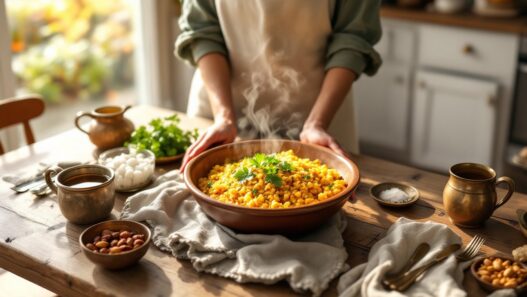
Warm, cooked, lightly spiced meals are generally best for eczema-prone skin because they’re easier to digest. Raw, cold, or heavily processed foods tend to dampen agni and create more ama.
The Role of Gut Health in Managing Eczema
Ayurveda understood the gut-skin connection long before modern research caught up. When agni is strong and steady, food is transformed into healthy tissue. When agni is irregular (common with Vata), sluggish (common with Kapha), or too sharp (common with Pitta), ama accumulates.
Signs of ama that relate to eczema include a coated tongue in the morning, sluggish digestion, a sense of heaviness after meals, and skin that feels dull or congested. These are the body’s quiet signals that digestion needs attention.
Supporting agni looks different for each constitution. But a few universal practices help: eating your largest meal at midday when digestive fire is naturally strongest (this connects to Ayurveda’s understanding that Pitta time, roughly 10 a.m. to 2 p.m., supports the most efficient digestion), sipping warm water throughout the day to gently stoke agni, and leaving space between meals so the previous meal can fully transform before the next one arrives.
Prana, the vital life force, also plays a role here. When prana flows freely through the digestive system, nutrients are absorbed and distributed well. When it’s blocked by ama, stress, or irregular habits, even good food can’t reach the skin.
Try this today: At your next meal, sit down without screens, eat warm cooked food, chew thoroughly, and stop when you’re about three-quarters full. This simple shift takes no extra time and benefits anyone, but it’s especially helpful for those who notice skin flare-ups after eating. If you have a diagnosed digestive condition, work with a practitioner to personalize this further.
Lifestyle Habits That Reduce Flare-Up Frequency
Food and topical care are only two pieces of the puzzle. Vihara, the Ayurvedic term for lifestyle and daily conduct, is the third, and in many cases, the most overlooked. I’ve seen people do everything right with diet and skincare, only to have flare-ups persist because their nervous system was running on overdrive.
Managing Stress and Improving Sleep Quality
Stress is one of the most powerful Vata-aggravating forces in modern life. It increases the mobile, dry, subtle, and light qualities, all of which destabilize the skin. Pitta-dominant people under stress tend to overheat internally, which drives inflammatory flare-ups. Kapha types may respond to stress by withdrawing and becoming stagnant, which slows the body’s ability to clear ama.
A simple breathing practice, even five minutes of slow, even inhales and exhales, can calm Vata’s erratic energy and support prana. This is one of those dinacharya habits that punches well above its weight. I personally find that doing this before bed transforms my sleep quality.
Speaking of sleep, Ayurveda considers the hours before 10 p.m. (during the Kapha time of evening) the ideal window to fall asleep. Kapha’s heavy, stable, dull qualities naturally support deep rest. If you push past 10, you enter Pitta time, and that second wind of alertness can keep you up, and heat can build, which isn’t great for eczema.
Good sleep directly supports ojas. Poor sleep depletes it. For skin that’s struggling to repair, this matters enormously.
Clothing, Bathing, and Home Environment Tips
The qualities that touch your skin throughout the day add up. Rough, synthetic fabrics increase irritation, choose soft, breathable materials like cotton or bamboo, which carry smooth and light qualities. Tight clothing creates friction and traps heat.
Bathing in very hot water strips the skin’s natural oils and aggravates Pitta. Lukewarm water is gentler. And if you can, keeping your home’s air from getting too dry (especially in winter when Vata is already high) helps your skin retain moisture. A simple humidifier in the bedroom can make a noticeable difference during cold, dry months.
Try this today: Tonight, set a gentle reminder to begin winding down by 9:30 p.m. Dim the lights, step away from screens, and do five minutes of slow breathing before bed. This is suitable for everyone and takes about 15 minutes total. If you have a sleep disorder, consult a healthcare professional alongside these practices.
If You’re More Vata
Your eczema likely shows up as dry, rough, cracked patches, possibly with irregular flare-ups that seem to come and go without clear reason. The qualities driving this are dry, light, cold, and mobile.
Focus on warm, oily, grounding practices. Favor cooked, nourishing foods with sweet and salty tastes. Apply warm sesame oil to your skin daily, especially before bed. Keep a consistent routine: same wake time, same meal times, same wind-down ritual. Avoid skipping meals, excessive travel, and cold, windy environments when possible.
Try this today: Warm a tablespoon of sesame oil in your hands and massage it into your driest patches before your evening bath. This takes about five minutes and is ideal for Vata-dominant skin. Avoid this if your skin is currently hot, red, or oozing, that’s a Pitta or Kapha pattern that needs a different approach.
If You’re More Pitta
Your eczema probably looks red, inflamed, and feels hot or stinging. It may worsen in summer or after spicy food, alcohol, or intense exercise. The qualities at play are hot, sharp, light, and slightly oily.
Emphasize cooling, soothing practices. Favor sweet, bitter, and astringent foods. Use coconut oil or aloe vera topically. Avoid direct midday sun, very hot showers, and overly competitive or intense activities. Rose water as a facial mist can be genuinely calming, keep one in your bag during warmer months.
Try this today: Apply pure aloe vera gel (cooled, if possible) to inflamed areas twice daily. This takes about two minutes and works well for Pitta-dominant skin. If your patches are very dry and cracked rather than red and hot, this may not be the best fit, consider a more nourishing oil instead.
If You’re More Kapha
Your eczema may appear thick, raised, or weepy, with slow healing. It might worsen in damp, cool weather or with heavy, oily food. The dominant qualities here are heavy, damp, cool, and stable to the point of stagnation.
Favor lighter, warming, stimulating practices. Eat warm foods with pungent, bitter, and astringent tastes. Use lighter oils like sunflower or safflower. Dry brushing before bathing (with a soft natural brush) can gently stimulate circulation and help move stagnation. Stay physically active, gentle daily movement helps Kapha’s sluggish metabolism clear ama.
Try this today: Before your morning shower, do two minutes of gentle dry brushing on unaffected skin areas to stimulate circulation, followed by a warm (not hot) shower. This takes about five extra minutes and suits Kapha-dominant types. Skip dry brushing on any active eczema patches, it’s too rough for inflamed skin.
When to See a Dermatologist
Ayurveda is a beautiful system of self-care and prevention, but I want to be straightforward: there are times when professional help is the wisest choice.
If your eczema is spreading rapidly, showing signs of infection (oozing, crusting, unusual warmth), disrupting your sleep consistently, or not responding to gentle care over several weeks, please see a dermatologist or qualified healthcare provider. Ayurveda and modern medicine aren’t enemies, they can work alongside each other.
A trained Ayurvedic practitioner can also offer personalized herbal formulations and deeper constitutional assessment that goes beyond what any article can provide.
This is general education, not medical advice. If you’re pregnant, managing a condition, or taking medication, check with a qualified professional.
Seasonal Adjustment
One more thing worth mentioning: your eczema care needs to shift with the seasons. This is ritucharya, Ayurveda’s seasonal wisdom.
In late autumn and winter, when Vata’s cold, dry, rough qualities dominate the environment, everyone, regardless of constitution, benefits from heavier moisturizing, warm foods, and earlier bedtimes. Think of it as insulating yourself from the inside and outside.
In spring, as Kapha accumulates and the weather turns damp, you might lighten your oils and emphasize bitter, astringent foods to prevent sluggishness and congestion in the skin.
In summer, Pitta’s heat peaks. Cooling foods, gentle sun protection, and soothing topicals like aloe and coconut oil help prevent heat-driven flare-ups.
Try this today: Look at the current season and ask yourself, are the qualities around me (cold, hot, damp, dry, windy) the same qualities showing up in my skin? Adjust one thing in your routine to bring the opposite quality. This reflective practice takes just a few minutes and is valuable for anyone at any level of Ayurvedic understanding.
Conclusion
Calming eczema-prone skin naturally isn’t about finding the one magic product or the perfect elimination diet. It’s about understanding the conversation your body is having with you, through qualities, through digestion, through the rhythms of your day and your season.
Ayurveda gives us a way to listen to that conversation with curiosity instead of frustration. Your skin isn’t broken. It’s communicating. And when you start responding with the right qualities, cool where there’s heat, oily where there’s dryness, stable where there’s chaos, something shifts. Not overnight, but steadily.
I’ve watched people who struggled with reactive skin for years find genuine relief once they started working with their constitution rather than against it. The changes are often simple. A warmer meal. A gentler oil. An earlier bedtime. Small things that add up.
Be patient with yourself. Skin heals in layers, literally and figuratively.
I’d love to hear what’s worked for you, or where you’re stuck. Drop a comment below or share this with someone who’s been struggling with their skin. And here’s a question to sit with: what’s one quality your skin is asking for right now that you haven’t been giving it?