







What Is Ayurvedic Cleansing and Why It Differs From Modern Detoxes
Most modern detoxes strip things away. They’re built on the idea that your body is full of “toxins” and you need to flush them out fast, with juice fasts, harsh supplements, or near-starvation protocols. The approach is sharp, light, and dry in quality, which can actually push Vata dosha into overdrive and leave you feeling scattered and anxious.
Ayurvedic cleansing takes the opposite view. Instead of forcefully extracting what doesn’t belong, it focuses on rekindling your digestive intelligence, what Ayurveda calls agni, so your body can process and release accumulated heaviness on its own terms.
In Ayurveda, that accumulated heaviness has a name: ama. It’s the sticky, dull residue that builds up when your digestion can’t fully transform what you take in, whether that’s food, emotions, or experiences. Ama is cool, heavy, and gross in quality. It clogs channels, dulls your clarity, and drains your vitality.
So an Ayurvedic cleanse isn’t a war on your body. It’s a conversation. You simplify inputs, warm and nourish your digestion, and let your system do what it already knows how to do.
Do this today: Sit with a cup of warm water first thing tomorrow morning and notice how your body responds, that alone begins to soften ama. Takes about 2 minutes. Great for anyone, though if you run very cold or have a delicate stomach, sip slowly.
Signs Your Body May Benefit From a Gentle Reset

Your body is remarkably communicative if you know how to listen. Here’s what I’ve noticed in my own experience and in working with Ayurvedic principles: the signs of accumulated ama are subtle at first, then impossible to ignore.
A thick white coating on your tongue in the morning is one of the classic indicators, it points to undigested material sitting in your system. You might also notice that your appetite feels unpredictable, that food doesn’t quite satisfy you, or that you feel heavy and sluggish after meals even when you haven’t overeaten.
From a dosha perspective, each type shows this differently. If Vata is elevated, you might feel bloated, gassy, and mentally restless, lots of mobile, dry, rough qualities building up. Pitta imbalance might show as acid reflux, skin irritation, or a short fuse, hot, sharp qualities accumulating. Kapha congestion often looks like lethargy, sinus heaviness, water retention, or an emotional fog, heavy, cool, dull qualities taking over.
When ojas, your deep vitality and resilience, starts to dip, you catch every cold going around, your skin loses its luster, and you feel emotionally thin. Tejas, your metabolic spark and inner clarity, dims when ama builds. And prana, the life force that keeps your nervous system steady, starts to feel erratic.
These aren’t emergencies. They’re invitations.
Do this today: Check your tongue in the mirror tomorrow morning before brushing. A thick coating suggests your digestion could use some support. Takes 10 seconds. Suitable for everyone.
Core Principles of an Ayurvedic Cleanse
Simplifying Your Diet With Kitchari and Warm Foods
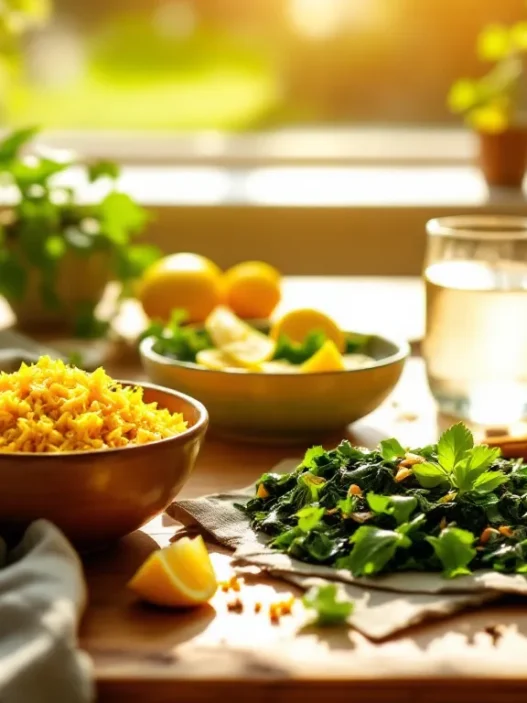
The foundation of most Ayurvedic cleanses is simplicity. And kitchari, a one-pot dish of split mung beans and basmati rice cooked with gentle spices like cumin, coriander, and turmeric, is the gold standard.
Why kitchari? It’s warm, slightly oily, soft, and easy to digest. Those qualities are the exact opposites of ama’s cool, dry, rough, sticky nature. Kitchari gives your agni a break from having to sort through complex meals while still providing nourishment. It’s not starvation, it’s intelligent rest for your digestion.
I like to think of it like giving your kitchen a deep clean by first clearing the counters. You can’t scrub properly when there’s clutter everywhere. Kitchari clears the clutter.
During a gentle reset, you’d eat warm, cooked foods at every meal. Raw salads, cold smoothies, and heavy snacking get set aside, not forever, just for a few days. The goal is to keep things warm, light, and smooth so your digestive fire can strengthen.
Do this today: Try replacing one meal with a simple bowl of kitchari. Cook it with a teaspoon of ghee and a pinch of ginger. About 30 minutes to prepare. This works for all dosha types, though Kapha types might use less ghee.
Supporting Digestion With Daily Rituals
Food is only half the picture. Ayurveda places equal weight on vihara, your daily habits and rhythms.
Two rituals I come back to again and again: tongue scraping in the morning and sipping warm water throughout the day. Tongue scraping (with a simple copper or stainless steel scraper) removes overnight ama buildup and stimulates your digestive organs. Warm water keeps channels open and helps your body move waste along gently.
Timing matters here too. Ayurveda teaches that your agni peaks around midday, between roughly 10 a.m. and 2 p.m., when Pitta’s sharp, hot qualities are naturally strongest. Making lunch your largest meal during a cleanse supports this rhythm beautifully.
Do this today: Try tongue scraping before breakfast tomorrow and sipping warm (not hot) water between meals. Takes less than a minute for the scraping. Appropriate for everyone, though if your tongue is very sensitive, use gentle pressure.
Practical Ayurvedic Cleansing Techniques to Try at Home
Beyond kitchari and warm water, a few other practices can deepen your gentle reset without turning your life upside down.
Abhyanga, warm oil self-massage, is one of my favorites. You apply warm sesame oil (or coconut in hotter months) to your whole body before bathing. The oil is smooth, heavy, and warm, which directly calms Vata’s dry, rough, mobile qualities. It also supports your skin, your largest organ of elimination, in releasing stored tension. This practice nourishes ojas profoundly. Even 10 minutes makes a noticeable difference.
Another technique: a simple ginger tea before meals. Grate a small piece of fresh ginger into hot water and sip it about 15 minutes before eating. Ginger is warm, light, and sharp, qualities that kindle agni and help prevent new ama from forming.
You might also consider a brief evening walk after dinner. Just 10 to 15 minutes of gentle movement helps digestion settle without overstimulating your system before bed. It keeps prana flowing smoothly and prevents that heavy, stagnant feeling that comes from eating and immediately sitting down.
If you’re more Vata-dominant, favor sesame oil for abhyanga and add extra warmth to everything, warm baths, warm spices, warm company. Keep your pace slow and steady. Avoid fasting or skipping meals: that aggravates Vata’s light, mobile nature.
If you’re more Pitta-dominant, try coconut oil for massage and favor cooling spices like coriander and fennel in your kitchari. Avoid intense exercise during your cleanse, Pitta’s sharp, hot qualities don’t need more fuel. Give yourself permission to do less.
If you’re more Kapha-dominant, use less oil overall and favor lighter, drier preparations. Add a bit more ginger and black pepper to your meals. A slightly more vigorous morning walk can help move Kapha’s heavy, stable qualities without being extreme.
Do this today: Choose one technique, abhyanga, ginger tea, or an evening walk, and try it for three consecutive days. Each takes 10–15 minutes. All are suitable for beginners, though Kapha types might prefer the walk over the oil massage during cooler, damp seasons.
How to Ease Into and Out of a Cleanse Safely
This part often gets overlooked, and it’s where I see people stumble most.
Jumping straight from pizza and coffee into a kitchari-only cleanse is a shock to your system. And going from gentle cleansing foods back to heavy, complex meals overnight can undo all the work your agni just did.
Instead, think of it as a gradual slope on both sides. For 2 to 3 days before your cleanse, start simplifying. Reduce caffeine, processed foods, sugar, and cold or raw foods. Increase warm, cooked meals. Let your body get the message that a shift is coming.
During the cleanse itself, even 3 to 5 days is meaningful, keep things stable and rhythmic. Eat at consistent times. Rest more. Limit screen time in the evenings. This stability calms Vata and allows your digestion to find its rhythm.
Coming out is just as important. Reintroduce foods one at a time over 2 to 3 days. Start with simple cooked vegetables, then grains, then heavier foods. Pay attention to how each one lands. This is when tejas, your inner clarity, becomes your guide. You’ll notice with surprising specificity what your body actually wants versus what’s just habit.
Seasonal timing matters too. Late winter and early spring, when Kapha naturally accumulates, is traditionally considered the ideal window for cleansing. The earth is thawing, and your body wants to shed heaviness along with the season. A lighter cleanse in early autumn can also help clear residual Pitta heat from summer.
Do this today: If you’re considering a gentle cleanse, map out a 9-day window, 3 days easing in, 3 days of simple eating, 3 days easing out. Plan it around a less busy week. This approach works for all constitutions, though Vata types benefit from keeping the cleanse shorter (3 days) and the transition longer.
Common Mistakes to Avoid During an Ayurvedic Reset
I’ve made most of these myself, so consider this a friendly heads-up.
Going too aggressive. The biggest mistake is treating an Ayurvedic cleanse like a modern detox, fasting completely, exercising hard, or using strong herbal laxatives without guidance. These increase Vata’s light, dry, mobile qualities and can deplete ojas rather than build it. Gentle is the whole point.
Ignoring your constitution. A cleanse that’s perfect for your Kapha-dominant friend might leave you, a Vata type, feeling ungrounded and anxious. Personalization isn’t optional in Ayurveda.
Skipping the warm oil. I know it seems like extra effort, but abhyanga during a cleanse is like a safety net. It keeps your nervous system calm, supports elimination through the skin, and prevents the dry, rough qualities that can flare when you simplify your diet.
Cleansing during a stressful period. Your body can’t rest and reset while your mind is racing through deadlines. Ayurveda connects emotional digestion to physical digestion, they share the same fire. Try to choose a quieter week.
From a modern perspective, this aligns well with what we now understand about the parasympathetic nervous system. Your body does its deepest repair and elimination work when you’re in a calm, rested state, not in fight-or-flight mode. Ayurveda has been saying this for thousands of years, just in different language.
Do this today: Before starting any reset, honestly assess your current stress level and energy. If you’re running on empty, nourish first and cleanse later. This self-check takes 5 minutes of honest reflection and applies to everyone.
Conclusion
Ayurvedic cleansing isn’t about deprivation or dramatic transformation over a weekend. It’s about remembering that your body has its own intelligence, an agni that knows how to digest, channels that know how to flow, and a vitality that knows how to rebuild when given the right conditions.
What I love about this approach is its kindness. You’re not fighting your body. You’re feeding it warm, simple food. You’re massaging it with oil. You’re giving it space to do what it does best.
Start small. One bowl of kitchari. One morning of tongue scraping. One cup of warm water before the day begins. Notice what shifts. Trust the process.
I’d love to hear from you, have you tried any form of gentle cleansing before? What worked, and what didn’t? Drop a comment below or share this with someone who might be looking for a kinder way to reset.