






Why Indoor Air Quality Matters More Than You Think
From an Ayurvedic standpoint, the air you breathe is a form of ahara, something you take in that either nourishes or burdens your system. When indoor air is stale, warm, and loaded with synthetic particles, it carries qualities that directly aggravate the doshas. Heavy, dull, stagnant air increases Kapha. Hot, sharp, chemical-tinged air provokes Pitta. Dry, mobile, erratic air, the kind that blows from forced-air heating systems, disturbs Vata.
And here’s the part most people miss: poor air doesn’t just affect your respiratory tract. It weakens agni, your digestive and metabolic intelligence. When your body is constantly processing invisible toxins through every inhale, that metabolic fire gets diverted. Instead of transforming food into nourishment and experience into wisdom, your system starts accumulating ama, the sticky, undigested residue that Ayurveda links to brain fog, sluggish energy, and a compromised immune response.
You might notice signs of ama building without connecting them to air quality at all: a coated tongue in the morning, persistent congestion, that heavy feeling in the chest that has no obvious explanation, or skin that looks dull no matter what you do. These are subtle signals that something in your environment, not just your diet, is creating burden.
The vitality triad suffers too. Prana (your nervous system steadiness and life force) diminishes when the breath is shallow and polluted. Tejas (the metabolic spark behind clear thinking) gets smothered under accumulated toxicity. And ojas, that deep reservoir of resilience and immunity, erodes slowly when the body never gets a break from environmental stress.
Common Indoor Air Pollutants Hiding in Your Home
The nidana, or root causes, of poor indoor air are remarkably ordinary. Volatile organic compounds (VOCs) off-gas from new furniture, paint, and cleaning products, they carry sharp, hot, and subtle qualities that penetrate deep into the tissues. Dust mites and mold introduce heavy, damp, and gross qualities that particularly aggravate Kapha. Cooking fumes, especially from gas stoves, add hot and oily qualities that can provoke Pitta.
Then there’s the less obvious stuff. Synthetic fragrances in candles, air fresheners, and laundry detergent. Formaldehyde lurking in pressed-wood shelving. Even your printer releases fine particles that accumulate in an unventilated room.
Ayurveda would describe these collectively as environmental ama generators, substances your body can’t fully process, which then lodge in the channels (srotas) and create obstruction over time.
Do this today: Walk through one room of your home and notice, really notice, the air. Does it smell stale? Feel heavy? Is there visible dust on surfaces? That ten-second awareness check is the first step. Takes about a minute. This is for everyone, regardless of dosha or experience level.
The Best Air-Purifying Plants for Every Room
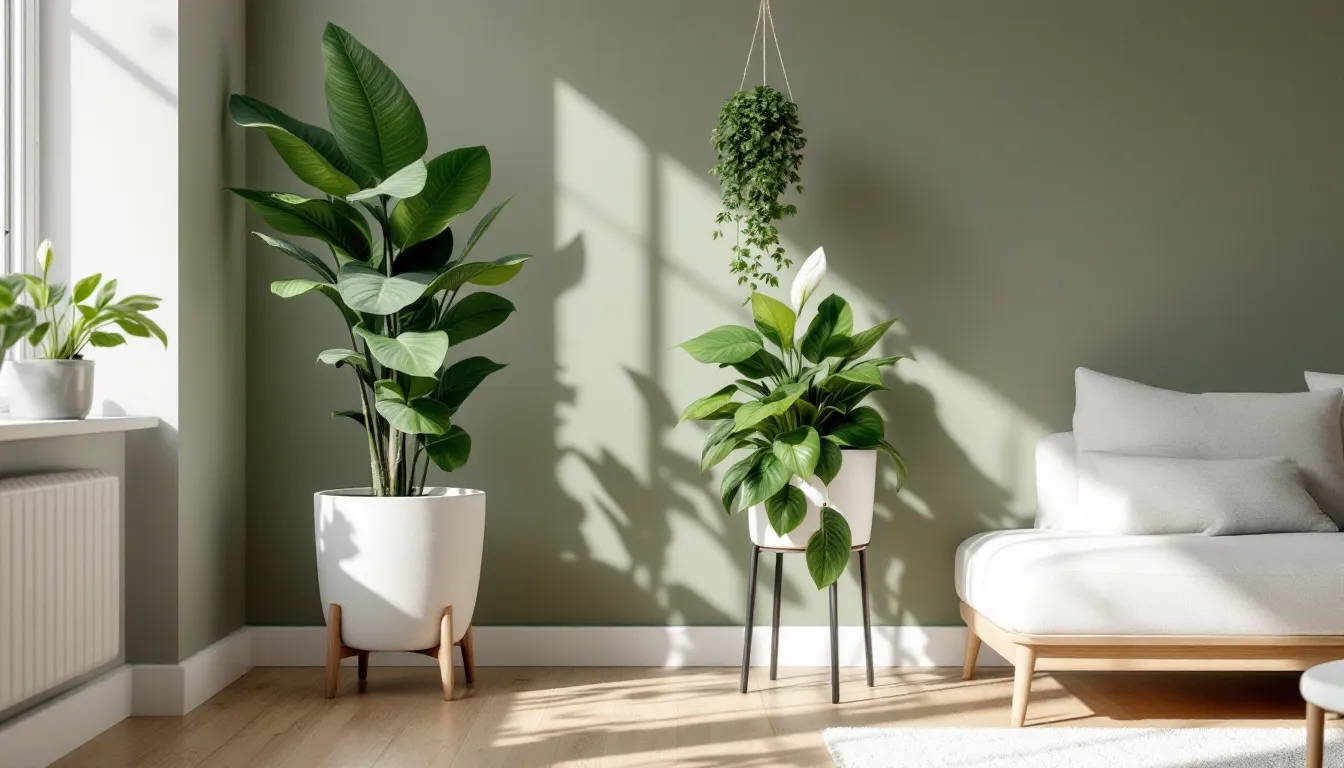
Ayurveda has always recognized that living things carry prana. A room full of plastic and synthetic materials has a fundamentally different quality than a room with living plants, you’ve felt this, even if you’ve never articulated it. Plants introduce cool, moist, smooth, and stable qualities into a space, which is exactly why they’re so balancing for environments dominated by dry, hot, or stagnant air.
Beyond the energetic shift, plants perform a very literal form of detox. Through photosynthesis and a process called phytoremediation, certain species absorb VOCs, convert carbon dioxide to oxygen, and release moisture that improves humidity. In Ayurvedic terms, they’re doing the work of pachana, helping to digest and neutralize the environmental ama your home accumulates.
Top Plant Picks Backed by Research
NASA’s Clean Air Study from the late 1980s remains one of the most-cited references here, and its findings still hold up. Snake plants (Sansevieria) are remarkably effective at filtering formaldehyde and benzene, and they release oxygen at night, making them ideal for bedrooms. Their energy is stable and grounding, which suits Vata-predominant individuals especially well.
Peace lilies absorb ammonia, formaldehyde, and trichloroethylene. They love indirect light and carry a cool, smooth quality that balances Pitta-aggravating environments, think kitchens or sun-facing rooms.
Spider plants are nearly indestructible and great at tackling carbon monoxide and xylene. Their light, mobile growth pattern (all those cascading babies) makes them well-suited for spaces that feel heavy or stagnant, a Kapha-balancing choice for rooms that tend to accumulate damp or sluggish energy.
Pothos and rubber plants are other strong contenders. Pothos is forgiving even in low-light bathrooms, while rubber plants bring a grounding, heavy quality that can anchor a space that feels too airy or erratic.
Placement Tips for Maximum Air-Cleaning Effect
A general guideline from the NASA research suggests roughly one plant per 100 square feet. But rather than counting precisely, I’d encourage you to think about the qualities of each room.
The bedroom wants stability and coolness, snake plants or aloe vera. The kitchen benefits from cooling, moisture-loving plants like peace lilies that can handle Pitta’s heat. A home office, where mental clarity matters most, does well with spider plants that keep the air light and mobile without being drying.
Avoid crowding all your plants into one corner. Spread them throughout the space so prana circulates more evenly. And keep them healthy, a wilting, moldy plant creates more ama than it resolves.
Do this today: Add one air-purifying plant to the room where you spend the most time. Start with a snake plant or pothos if you’re unsure, both are low-maintenance and effective. Takes about 15 minutes to purchase and place. This works for all constitutions, though Vata types might especially enjoy the grounding presence of a larger-leafed plant.
Ventilation Strategies That Actually Work
In Ayurveda, stagnation is one of the primary causes of disease. When air sits still, it accumulates heavy, dull, and gross qualities, the same qualities that characterize ama in the body. Moving air, by contrast, carries the mobile and subtle qualities of Vata dosha. In the right proportion, that movement is cleansing. It sweeps away what’s stale and invites freshness.
But here’s the Ayurvedic nuance that most modern air-quality advice misses: ventilation isn’t one-size-fits-all. Too much cold, dry, rushing air will aggravate Vata. Too much hot, humid air will provoke Pitta or Kapha depending on other qualities present. The goal is balanced movement, enough to keep prana flowing, not so much that it creates instability.
Natural Ventilation vs. Mechanical Systems
Opening windows is the simplest and most prana-rich form of ventilation. Fresh outdoor air, especially morning air, carries a quality Ayurveda deeply values, it’s cool, light, and alive with natural prana. This is why morning routines (dinacharya) traditionally include stepping outside and taking several deep breaths.
Mechanical systems, bathroom exhaust fans, range hoods, whole-house ventilation, and HEPA filtration, serve a different purpose. They’re especially useful in climates or seasons where opening windows isn’t practical. A good range hood pulls hot, oily, sharp cooking fumes out of the kitchen before they spread through the house. A HEPA filter in the bedroom can reduce airborne allergens that carry the heavy, rough qualities that disturb both Kapha and Vata.
The limitation of mechanical systems is that they circulate existing air rather than introducing fresh prana. They clean, but they don’t truly enliven. I think of them as supplements, helpful, sometimes necessary, but not a replacement for the real thing.
When and How to Ventilate for the Best Results
Timing matters, and this is where Ayurvedic rhythm (dinacharya) really shines. The early morning hours, roughly 6 to 10 a.m. during Kapha time, are ideal for opening windows wide. The air tends to be cooler and more stable, which balances the natural heaviness of the Kapha period without provoking Vata.
Avoid ventilating aggressively during the Vata hours (2–6 a.m. and 2–6 p.m.) if you tend toward Vata imbalance, as the already mobile, dry, cool quality of those periods can be amplified by cold drafts.
Midday Pitta time (10 a.m. to 2 p.m.) is when internal agni is strongest. If you’re cooking during this window (which Ayurveda recommends for your largest meal), run the range hood and crack a window to clear the sharp, hot fumes without trapping them inside.
A cross-ventilation approach, opening windows on opposite sides of the home, creates a natural current that’s far more effective than opening a single window. Even five minutes of cross-ventilation can dramatically shift the quality of a room.
Do this today: Open two windows on opposite sides of your home for five to ten minutes tomorrow morning. Notice how the space feels afterward, lighter, fresher, more awake. This is suitable for everyone, though Vata-predominant individuals may want to layer up or close the windows once the air has shifted, rather than leaving them open for extended periods in cold weather.
Simple Daily Habits That Improve Your Indoor Air
This is where the Ayurvedic principle of “like increases like, opposites balance” becomes your most practical tool. If your indoor air tends toward heavy, dull, and stale, you introduce light, sharp (in a gentle sense), and mobile qualities. If it tends toward dry, rough, and erratic (hello, winter heating), you bring in moist, smooth, and stable qualities.
The beauty of this framework is that it guides every single decision without you needing a chemistry degree.
Reducing Chemical Sources and Off-Gassing
Every synthetic fragrance, every chemical cleaner, every piece of new furniture off-gassing formaldehyde introduces sharp, hot, and subtle toxins into your home. These are ama at the environmental level, substances your body has to work to process, diverting agni away from its real job of nourishing tissues and building ojas.
Try switching to unscented or naturally scented cleaning products. Vinegar, baking soda, and castile soap handle most household cleaning without introducing VOCs. If you love scent in your home, consider diffusing pure essential oils like eucalyptus (clearing and light) or lavender (cooling and smooth), these carry medicinal qualities rather than chemical burden.
When you bring new furniture or textiles home, let them off-gas in a well-ventilated area, a garage or a room with open windows, for several days before placing them in your main living spaces. This one habit alone can dramatically reduce the hot, sharp load on your indoor air.
Do this today: Replace one synthetic-fragranced product in your home with a natural alternative. Start with whatever you use most frequently, hand soap, dish soap, or an all-purpose spray. Takes five minutes and a single swap. Good for everyone, but especially important for Pitta types who are more sensitive to the sharp, heating qualities of synthetic chemicals.
Cleaning, Cooking, and Humidity Control
Dust is heavy, gross, and dry. It accumulates Kapha-like qualities in your space and can carry allergens that aggravate all three doshas. Wet-mopping rather than dry sweeping prevents you from launching dust particles back into the air. I try to wipe down surfaces with a damp cloth at least twice a week, it’s a simple vihara (lifestyle) practice that keeps the heavy, dull quality from building up.
Cooking generates some of the highest concentrations of indoor air pollutants, especially frying and high-heat methods. The oily, hot, sharp qualities of cooking fumes are Pitta-provoking. Always ventilate while cooking. If you don’t have a range hood, position a fan near an open window to create an exit path for fumes.
Humidity is a balancing act. Too much moisture (above 60%) creates the damp, heavy conditions where mold thrives, a Kapha nightmare. Too little (below 30%) creates the dry, rough conditions that aggravate Vata, irritate nasal passages, and make the skin crack. Aim for 30–50% relative humidity. A simple hygrometer (under $15) lets you monitor this.
In dry winter months, a small humidifier in the bedroom can protect your respiratory channels and support prana’s movement. In humid summers, a dehumidifier or air conditioning keeps the damp, heavy quality in check.
Do this today: Wet-mop or damp-wipe one high-traffic room. Notice the difference in how the air feels afterward, lighter, cleaner, more open. Takes about 15 minutes. Particularly beneficial for Kapha types who are sensitive to the heavy, stagnant quality of dust-laden environments, but genuinely helpful for all constitutions.
How to Build a Realistic Indoor Air Detox Plan
I don’t want you to try everything at once. That kind of all-or-nothing approach actually carries the mobile, erratic quality of aggravated Vata, and it rarely sticks. Instead, let’s build this gradually, the Ayurvedic way: steady, personalized, and rooted in daily rhythm.
Week one, focus on awareness and one swap. Walk through your home and identify the biggest air quality offenders, the room that always feels stuffy, the cleaning product that gives you a headache, the corner where dust accumulates. Make one change: add a plant, switch a product, or start a morning ventilation habit.
Week two, introduce a daily routine anchor. Pick a consistent time, morning is ideal, during Kapha hours, to open windows for cross-ventilation. Pair it with something you already do, like making your morning warm water with lemon. Habits anchor more easily when layered onto existing routines.
Week three, add the cleaning rhythm. A twice-weekly wet-mop and surface wipe, combined with running exhaust fans while cooking, creates a meaningful reduction in accumulated indoor ama.
By the end of the month, you’ll have a sustainable rhythm that doesn’t feel like a project, it just feels like how you live.
If You’re More Vata
Your indoor environment probably aggravates you most during cold, dry, windy seasons when forced heating creates air that’s dry, rough, light, and mobile, all Vata qualities amplified. You might notice dry nasal passages, restless sleep, or crackling joints when your indoor air is off.
Favor plants with larger, grounding leaves like rubber plants. Keep humidity in the 40–50% range with a humidifier. Avoid icy drafts during ventilation, open windows briefly and close them once the air has refreshed. Warm, slightly oily qualities in your food (ghee, warm soups, cooked grains) support your agni against the drying effect of poor indoor air. And try diffusing a grounding essential oil like vetiver or sweet orange in the evening.
One thing to avoid: sleeping with a fan blowing directly on you, especially in cooler months. The constant mobile, dry current disturbs Vata’s need for stability during rest.
Do this today: Set up a small humidifier in your bedroom and run it tonight. Takes five minutes. Best for Vata-predominant individuals, but also helpful for anyone experiencing dry winter conditions. Not ideal if your space already tends toward dampness.
If You’re More Pitta
Pitta types are most affected by the hot, sharp, oily qualities of indoor air pollution, think cooking fumes, synthetic chemicals, and stuffy, sun-baked rooms. You might notice irritability, headaches, or skin flare-ups when indoor air quality drops.
Choose cooling plants like peace lilies and Boston ferns. Prioritize removing synthetic fragrances and chemical cleaners, Pitta’s sharp sensitivity means you’ll react to these before other types do. Ventilate aggressively during and after cooking. Keep your bedroom cool and your bedding natural (cotton or linen breathes, polyester traps heat).
One thing to avoid: heavily scented candles or incense in unventilated rooms. Even “natural” incense can carry a smoky, sharp quality that tips Pitta further toward irritation.
Do this today: Clear out one synthetic fragrance source, an air freshener, a scented plug-in, a chemical-laden candle. Replace it with nothing, or with a small dish of dried lavender. Takes two minutes. Especially suited to Pitta types and anyone prone to headaches or skin sensitivity. Skip the lavender if you find its scent too strong.
If You’re More Kapha
Kapha’s challenge is the heavy, damp, stagnant, cool quality that builds up in poorly ventilated spaces, particularly basements, bathrooms, and homes in humid climates. You might notice congestion, lethargy, or a heavy feeling in the chest when the air in your space is too still and moist.
Choose light, upward-growing plants like spider plants that energetically counter Kapha’s downward tendency. Prioritize ventilation, you actually benefit from longer, more vigorous airing-out periods than Vata or Pitta types. Run a dehumidifier if your home sits above 50% humidity. In your daily rhythm, try dry-brushing (garshana) before your morning shower, it stimulates circulation and helps your body process the subtle ama that stagnant air contributes to.
One thing to avoid: keeping windows sealed all day, especially during the cool, damp morning Kapha hours. That’s exactly when Kapha types need fresh, moving air most.
Do this today: Open your windows wider and longer than feels habitual tomorrow morning, aim for 15 minutes of good cross-ventilation during the Kapha period (6–10 a.m.). Takes no effort beyond remembering. Ideal for Kapha-predominant types. Vata types may find this duration too cooling in winter.
Your Daily Routine Anchors
Two dinacharya habits tie this all together. First, make morning ventilation non-negotiable. Within 30 minutes of waking, open at least two windows and let the morning air circulate while you go about your routine, warming water, washing your face, scraping your tongue (another ama-clearing practice that pairs beautifully with clearing the air you breathe). Five to fifteen minutes is plenty.
Second, practice a brief evening wind-down for your space. Before bed, turn off any synthetic scent diffusers, ensure cooking fumes have cleared, and if the weather allows, crack a window in the bedroom for ten minutes. This invites cool, stable qualities into your sleep environment, supporting the body’s natural nighttime repair of ojas.
Do this today: Add a five-minute window-opening step to your morning routine tomorrow. Pair it with tongue scraping if you don’t already practice it. Takes five minutes total. Appropriate for everyone.
Seasonal Adjustment
The qualities of your indoor air change with the seasons, and your approach needs to shift accordingly. In late fall and winter (Vata season), indoor air becomes excessively dry and rough from heating systems. Focus on humidification, oiling practices (like applying sesame oil to your nasal passages, nasya, which protects the channels through which prana enters), and shorter but consistent ventilation bursts.
In spring (Kapha season), dampness and allergens peak. This is when vigorous ventilation, dehumidification, and extra attention to dust and mold matter most.
In summer (Pitta season), heat and chemical off-gassing accelerate (VOC release increases with temperature). Prioritize cooling plants, evening ventilation when the air is cooler, and minimizing heat-generating cooking that adds to indoor air burden.
Do this today: Identify which seasonal quality dominates your indoor air right now, is it dry and rough (Vata), damp and heavy (Kapha), or hot and sharp (Pitta)? Then apply the corresponding guidance above. Takes a moment of honest observation. Relevant for all types and experience levels.
Conclusion
I genuinely believe that the air inside your home is one of the most overlooked levers for feeling better, more clear, more rested, more alive. And what I love about the Ayurvedic approach is that it doesn’t ask you to buy your way to better air. It asks you to observe, to understand the qualities at play, and to introduce balance through simple, daily, human-scale actions.
A few plants. Open windows at the right time. Fewer synthetic chemicals. A rhythm that matches your constitution and the season. These aren’t dramatic interventions. They’re gentle corrections that, over time, protect your prana, support your agni, and nourish the deep vitality of ojas.
Your breath is the most constant conversation between your body and your environment. It’s worth making sure that conversation is a nourishing one.
I’d love to hear what resonates with you, have you noticed how different your home air feels in different seasons? Or maybe you’ve already started bringing plants into your space and noticed a shift? Drop a thought in the comments or share this with someone who could use a breath of fresh (indoor) air.