




What Ayurveda Means by the “Energy” of Food
When I say “energy of food,” I’m not talking about calories or mystical vibrations. Ayurveda looks at something far more tangible: the qualities a food brings into your body and how those qualities shift the internal environment.
Every food has a taste (rasa), a heating or cooling potency (virya), a post-digestive effect (vipaka), and a set of physical qualities (gunas). Together, these tell you what a food will actually do once you eat it. Will it warm you up or cool you down? Will it feel heavy and grounding or light and easy to process? Will it dry you out or add moisture?
This is what I like to call Ayurvedic thermodynamics, the study of how food transforms your inner landscape. And it matters because your digestive fire, your agni, responds directly to these qualities. Feed a strong, hot agni with more hot, sharp food and you might get acid reflux. Feed a sluggish, cool agni with cold, heavy food and digestion stalls, producing that sticky residue Ayurveda calls ama, undigested material that clouds your energy and dulls your thinking.
The beautiful part? When the qualities are matched well, digestion hums along. That means better ojas (deep resilience and immunity), sharper tejas (that metabolic spark behind clarity), and steadier prana (the life force that keeps your nervous system calm and alert).
Do this today: Before your next meal, pause for ten seconds and notice one quality of the food, is it warm or cool, heavy or light? That single observation is the beginning. Takes about ten seconds. Great for anyone just starting to explore this framework.
Virya: The Heating and Cooling Power Behind Every Bite
Virya is a food’s thermal potency, the warming or cooling effect it creates as your body processes it. And it’s not always what you’d guess.
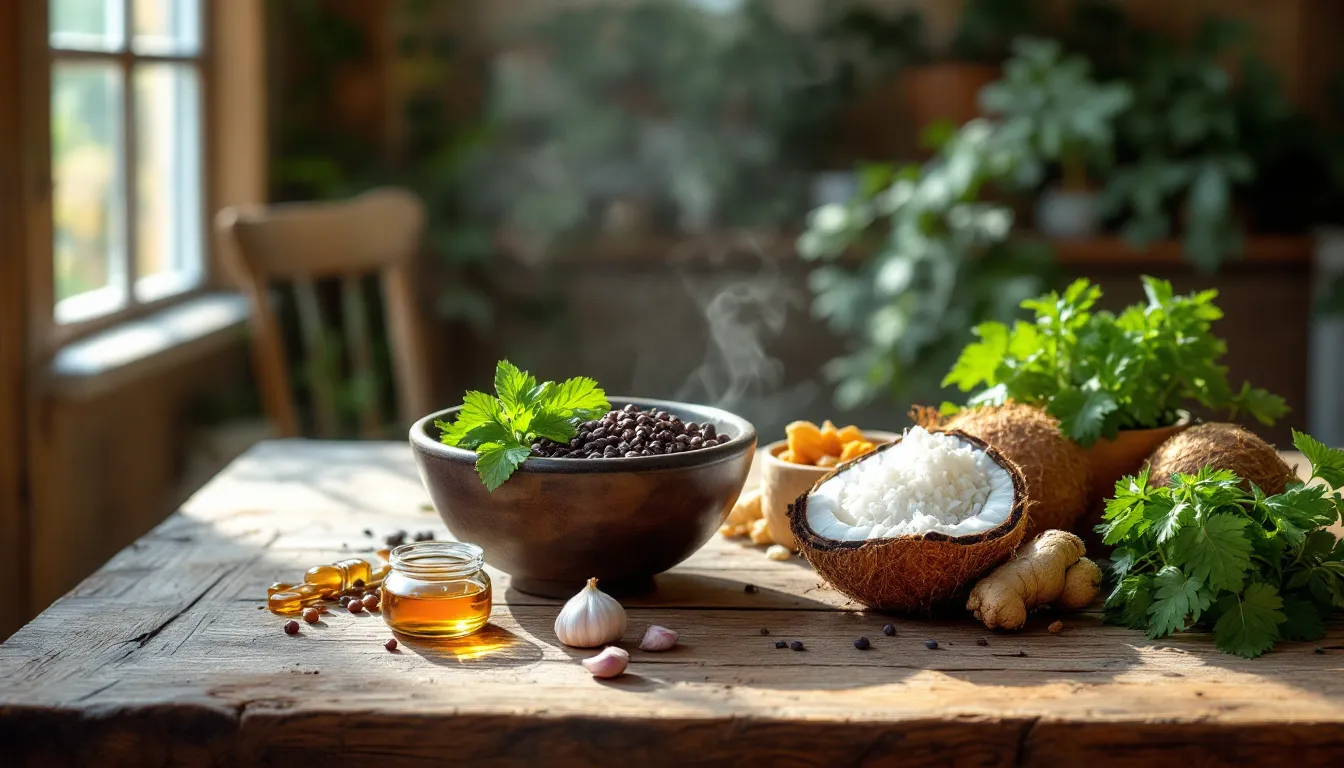
Honey, for instance, is heating. So is garlic, black pepper, and ginger. They stoke your internal fire, increase circulation, and can push Pitta upward if you’re already running hot. On the flip side, coconut, cilantro, mint, and fennel are cooling, they soothe internal heat, calm inflammation, and help Pitta-dominant folks find balance.
Here’s where it gets personal. If your constitution leans toward Vata, if you tend to feel cold, dry, and scattered, warming foods with heating virya can be deeply supportive. They help your agni kindle and keep things moving. But if you’re more Pitta, with a naturally sharp and hot digestion, too many heating foods tip you toward acidity, skin flare-ups, and frustration. And for Kapha types, who tend toward cool, heavy, and stable qualities, moderately heating foods can actually help prevent stagnation and keep ama from building up.
Virya doesn’t just affect your stomach. It shapes your mood, your sleep, your skin. That’s the reach of this one concept.
How to Identify Heating vs. Cooling Foods
You don’t need a chart (though they exist). Start by eating slowly and noticing. Does the food create a sense of warmth in your belly, maybe even a light sweat? That’s heating virya at work. Does it leave you feeling refreshed, soothed, a little cooler? That’s cooling.
Some reliable patterns: most spices are heating (especially the sharp, pungent ones like mustard seed and cayenne). Most sweet fruits are cooling. Sour foods, fermented things, citrus, tend to be heating, which surprises people. And bitter foods like leafy greens and turmeric are generally cooling.
Try paying attention after meals for a week. You’ll start to feel the pattern in your own body, which is honestly more useful than memorizing any list.
Do this today: Pick one food you eat regularly and notice whether it leaves you feeling warmer or cooler thirty minutes after eating. Just observe, no judgment. Takes about a week of casual attention. Works for everyone, though Pitta types may notice heating effects most quickly.
Guna: Heavy, Light, and the Other Qualities That Shape Digestion
If virya is about temperature, gunas are about texture, the full spectrum of qualities a food carries into your system.
Ayurveda describes twenty gunas organized into ten pairs of opposites: hot and cool, heavy and light, oily and dry, sharp and dull, mobile and stable, rough and smooth, subtle and gross, soft and hard, liquid and dense, cloudy and clear. You don’t need to memorize all twenty. But once you start feeling even a few of them in your food, everything changes.
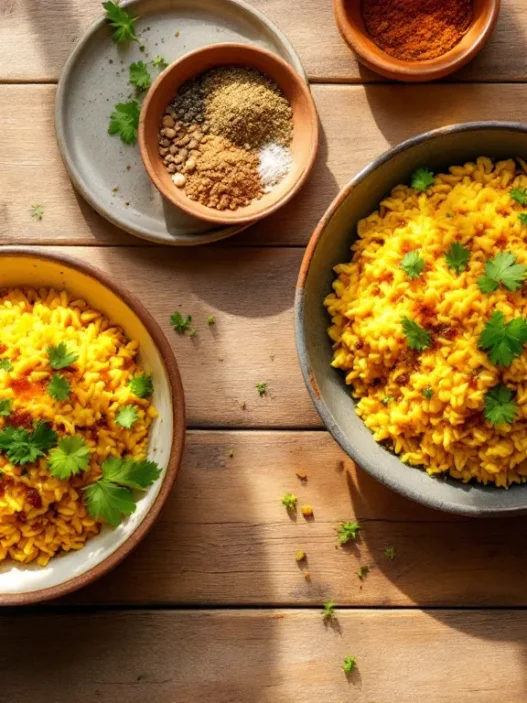
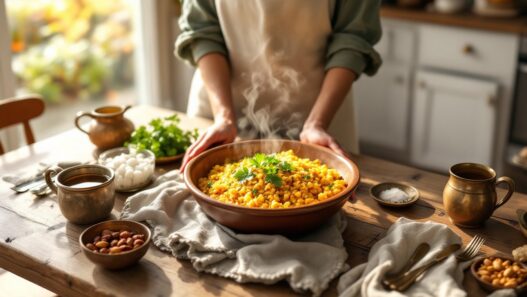
Think about a bowl of warm, oily kitchari. It’s heavy, warm, smooth, oily, and soft. Those qualities ground Vata beautifully, they’re the opposite of Vata’s natural tendency toward lightness, coldness, roughness, and dryness. Now think about a plate of raw celery sticks. Light, cool, rough, dry. For a Kapha type who’s feeling sluggish and heavy, those qualities can be clarifying. For a Vata type in the middle of a dry, windy autumn? That’s a recipe for bloating and anxiety.
This is the “opposites balance” principle, like increases like, and opposites bring balance. It’s the engine behind every Ayurvedic food recommendation.
The 20 Gunas and Why They Matter at Every Meal
Here’s why this matters practically: your agni responds to gunas directly. Heavy, dense food (cheese, wheat, red meat) requires strong agni. If your digestive fire is low, maybe you’ve been stressed, sleeping poorly, eating irregularly, heavy food overwhelms it. The result is ama: that foggy, coated-tongue, sluggish-morning feeling.
Light food (mung beans, basmati rice, steamed vegetables) is easier on agni. It digests quickly and leaves less residue. But if you eat only light food when your body craves grounding, you can actually deplete ojas, that deep reservoir of vitality and immunity.
So the art is in matching the quality of your food to your current state. Not your permanent dosha label, but how you feel today. Feeling dry and scattered? Reach for something warm, oily, and smooth. Feeling heavy and dull? Try something light, warm, and a little sharp, maybe ginger tea before a simple meal.
Do this today: At your next meal, identify two qualities of the food (heavy or light? oily or dry?) and notice whether those match what your body seems to want right now. Takes just a moment of honest reflection. Helpful for all dosha types, especially if you tend to eat the same things on autopilot.
How Vipaka Completes the Thermodynamic Picture
So we’ve covered what food does when it first hits your tongue (rasa/taste), what it does during digestion (virya/potency), and the qualities it carries (gunas). But there’s one more layer: vipaka, the post-digestive effect.
Vipaka is what remains after your agni has fully processed the food, the final quality that gets absorbed into your deeper tissues. There are three types: sweet, sour, and pungent.
A sweet vipaka is nourishing. It builds tissues, supports ojas, and has a grounding, stabilizing quality. Most grains, milk, and sweet fruits end here. A sour vipaka is moderately heating and can stimulate further digestion but may aggravate Pitta if it’s already elevated. And a pungent vipaka is light, drying, and mobile, it supports elimination but can increase Vata over time if you rely on it too heavily.
Why does this matter? Because a food might taste sweet and feel cooling during digestion, but if its vipaka is pungent, the long-term effect on your tissues is drying and lightening. This is why Ayurveda sometimes gives advice that seems counterintuitive until you understand vipaka. Honey tastes sweet but has a heating virya and a pungent vipaka, which is why it’s recommended in small amounts for Kapha but can aggravate Pitta.
Vipaka also directly affects your prana and tejas. Foods with a sweet vipaka tend to calm the nervous system and build steady energy. A pungent vipaka sharpens tejas, the clarity of perception, but can scatter prana if it dominates your diet.
Do this today: Notice how you feel two to three hours after a meal, not just immediately. Do you feel nourished and settled, or restless and dry? That’s vipaka speaking. Takes a few days of observation. Particularly useful for Vata types who often feel fine right after eating but depleted later.
Putting It All Together: Choosing Foods by Their Actions
Now here’s where it gets fun, and honestly, where I see the most transformation in people who start working with these ideas.
Instead of thinking “Is this food healthy or unhealthy?” you start asking, “What will this food do in my body right now?” That shift is enormous.
Let me give you a practical example. It’s a cool, dry autumn morning, classic Vata season. You’re feeling a little scattered, your skin’s dry, and your stomach feels light but unsettled. Using the framework: you want foods that are warm (heating virya to counter the cold), oily (to counter the dryness), heavy enough to ground you (to counter that mobile, light Vata energy), and ideally with a sweet vipaka to nourish your tissues and build ojas.
So you make a warm bowl of oatmeal cooked with ghee, a pinch of cinnamon, and some stewed apples. Every quality in that meal is working with your body. Your agni gets supported, ama doesn’t accumulate, and your prana stays steady through the morning.
Contrast that with a cold smoothie full of raw kale and frozen berries. Nutritious by modern standards? Sure. But the qualities, cold, light, rough, dry, are identical to the qualities already elevated in your body. Like increases like. And the result might be bloating, gas, or that anxious, ungrounded feeling by mid-morning.
If you’re more Vata: Favor warm, oily, smooth, heavy foods. Think cooked grains, soups, root vegetables with ghee, and warming spices like ginger and cumin. Try to avoid excess raw, cold, or dry food, especially in autumn and early winter. Eating your largest meal at midday when agni peaks can make a big difference.
If you’re more Pitta: Favor cooling, slightly heavy, smooth foods. Sweet fruits, coconut, basmati rice, cucumber, and cooling herbs like cilantro and fennel are your friends. Try to ease up on very spicy, sour, or fermented foods, particularly in summer when heat accumulates. A cool (not iced) drink of mint water between meals can help.
If you’re more Kapha: Favor light, warm, dry, and mildly sharp foods. Steamed vegetables, light grains like millet or barley, legumes, and pungent spices like black pepper and mustard seed keep things moving. Try to cut back on heavy, oily, cold foods, especially in late winter and spring when Kapha naturally rises. Eating a lighter dinner before 7 PM supports your digestion beautifully.
Do this today: Choose your next meal using just two criteria, virya (heating or cooling?) and one guna (heavy or light?). Match them to how you’re feeling right now. Takes about thirty seconds of reflection before cooking or ordering. Good for everyone, regardless of dosha.
For your daily routine, consider two simple habits. First, sip warm water with a thin slice of fresh ginger about twenty minutes before your morning meal, this gently awakens agni and prepares it to process food cleanly, reducing ama. Second, try eating lunch as your main meal, ideally between 11 AM and 1 PM when digestive fire is naturally strongest. These two habits alone can shift how food acts in your body.
As the seasons shift, adjust your food’s qualities accordingly. In summer’s heat, lean toward cooling virya and lighter gunas. In winter’s cold and damp, bring in more heating, oily, and heavier foods. In spring, when the earth is wet and heavy with Kapha energy, favor light, dry, warm, and mildly pungent meals. One simple seasonal adjustment, switching from room-temperature to warm-cooked breakfasts as autumn arrives, can prevent a lot of Vata imbalance before it starts.
Do this today: Pick one seasonal adjustment that fits where you are right now and try it for a week. Takes no extra time, just a different choice at the same meal. Appropriate for all dosha types, and especially helpful for anyone who notices they feel worse at certain times of year.
And a quick note on modern relevance: science is increasingly confirming what Ayurveda has observed for centuries. Research into the thermic effect of food, gut motility, and how spices influence metabolism all point toward the same conclusion, food isn’t just fuel. It’s information. Ayurveda simply gives you a more complete vocabulary for reading that information and responding to it in real time.
This is general education, not medical advice. If you’re pregnant, managing a condition, or taking medication, check with a qualified professional.
Conclusion
I genuinely believe that understanding how food acts, not just what it contains, is one of the most empowering things you can learn for your health. It puts the wisdom back in your hands, in your kitchen, in the quiet moment before you take the first bite.
You don’t have to overhaul everything overnight. Start with noticing one quality at one meal. Build from there. Over time, this becomes second nature, a felt sense of what your body needs, informed by thousands of years of careful observation.
Your ojas, your tejas, your prana, they’re all shaped by these daily choices. And the beautiful thing is that the right food, at the right time, matched to your constitution and the season, doesn’t just prevent problems. It builds genuine vitality.
I’d love to hear from you. What’s one food whose “action” you’ve started to notice in your body? Drop a comment below or share this with someone who’s curious about eating in a more intuitive way.
What quality is your body asking for today?