








How Your Nervous System Responds to Stress
From an Ayurvedic perspective, stress begins with a cause, what the texts call nidana. Maybe it’s overwork, erratic eating, too much screen time, emotional overwhelm, or simply running from one thing to the next without pause. These causes share a common quality: they’re mobile, light, dry, and irregular. And those are precisely the qualities that push Vata dosha out of balance.
When Vata rises, it disturbs your digestive fire, your agni, making it flickery and unpredictable, like a candle in a draft. Food doesn’t get fully processed. Thoughts don’t get fully processed either. The result is ama, a kind of undigested residue that can show up as brain fog, a coated tongue in the morning, sluggish energy, or that heavy-yet-anxious feeling that doesn’t quite make sense.
Pitta types experience stress differently, more as sharpness, irritability, or heat behind the eyes. Kapha types might feel it as heaviness, withdrawal, or a dull resistance to everything. But the nervous system disruption often starts with Vata’s mobile, subtle, dry qualities throwing things off.
When this pattern persists, it drains prana (your vital life force and nervous system steadiness), dims tejas (the clarity and metabolic spark behind good decisions), and slowly erodes ojas, that deep reservoir of resilience and calm immunity that keeps you feeling fundamentally okay even when life is hard.
Do this today: Pause for two minutes and notice where you feel stress physically, jaw, belly, shoulders, chest. Just notice. That’s the starting point. Takes 2 minutes. Good for everyone, especially if you tend to intellectualize stress instead of feeling it.
The Role of the Vagus Nerve in Relaxation
The vagus nerve is your body’s built-in calm-down signal. It runs from your brainstem all the way down to your gut, touching your heart, lungs, and digestive organs along the way. When it’s active and toned, you feel settled. When it’s underactive, you stay stuck in that buzzy, fight-or-flight loop.
Ayurveda didn’t name the vagus nerve, obviously. But it described its function beautifully through the concept of prana vayu, the downward-and-inward movement of life force that governs ease, receptivity, and the ability to rest. Practices that stimulate the vagus nerve, slow exhales, humming, gentle pressure on the belly, warm oil on the feet, are the same practices Ayurveda has recommended for centuries to calm Vata and restore the smooth, stable, slightly oily qualities that counter nervous system overdrive.
Think of vagal tone like a muscle. The more you practice activating it through intentional habits, the more easily your body returns to calm after stress. That’s not a metaphor, it’s genuinely how it works.
Do this today: Place a warm hand on your belly and hum gently for one minute. The vibration stimulates the vagus nerve directly. Takes 1 minute. Suitable for all constitutions. If you’re dealing with acute grief or trauma, go gently and consider working with a practitioner.
Daily Breathing Techniques That Activate Your Rest Response
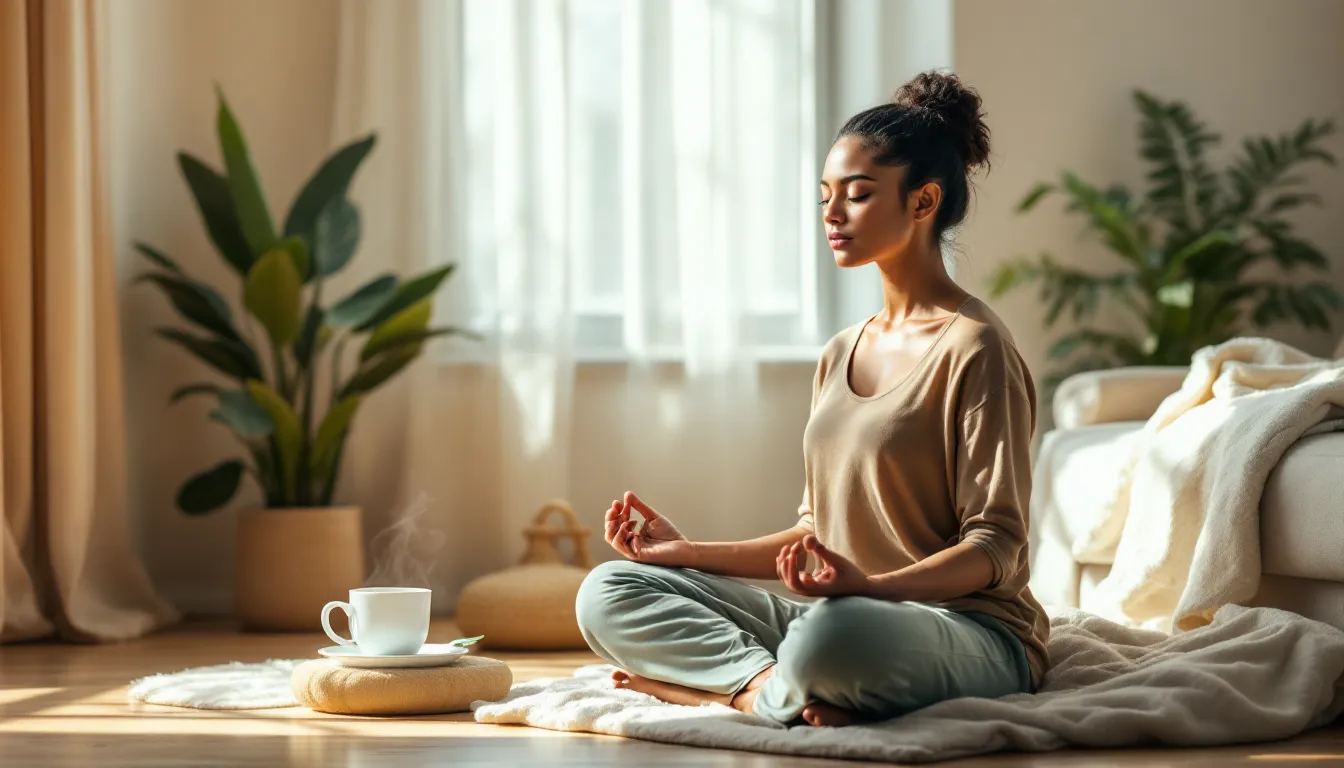
Breath is prana made tangible. It’s the one autonomic function you can consciously influence, which makes it your most accessible tool for nervous system regulation.
In Ayurveda, the quality of your breath reflects the state of your Vata. Quick, shallow, irregular breathing? That’s Vata aggravation in real time. The fix isn’t complicated, but it does ask for consistency.
I’ve found one practice especially helpful: extended exhale breathing. You simply make your exhale longer than your inhale. Breathe in for a count of four, out for a count of six or eight. That’s it. This shifts the balance from your sympathetic (alert, mobilized) nervous system toward your parasympathetic (rest, digest, repair) response. It brings in the cool, stable, heavy qualities that directly counter Vata’s light, mobile dryness.
Another practice I come back to again and again is alternate nostril breathing, known as nadi shodhana. This one balances the hot and cool channels in the body, calming Pitta’s sharpness and Vata’s erratic movement simultaneously. It’s subtle but remarkably effective. Even five rounds can shift how you feel.
The key with breathwork is regularity over intensity. Five minutes every morning does more for your nervous system than an hour-long session once a month. Ayurveda is firm on this: rhythm itself is medicine.
Do this today: Try 5 minutes of extended exhale breathing before your first meal. Sit comfortably, close your eyes, inhale for 4 counts, exhale for 6–8. Takes 5 minutes. Good for all types. If you have a respiratory condition or feel dizzy, return to natural breathing and consult a practitioner.
Movement-Based Habits That Regulate Your Nervous System
I used to think that intense exercise was the best way to burn off stress. And sometimes it can feel that way in the moment, but Ayurveda helped me see the bigger picture. High-intensity movement is hot, sharp, and mobile. If your nervous system is already overstimulated, adding more of those qualities is like turning up the volume on a speaker that’s already distorting.
For nervous system calming, you want movement that is slow, smooth, grounding, and rhythmic. These are the opposite qualities to what stress produces in the body.
Gentle walking, especially in nature, in the morning, brings stability and heaviness back into a Vata-disturbed system. The repetitive motion is soothing. The contact with earth is grounding. Even 15 minutes recalibrates.
Slow, fluid yoga, think cat-cow, gentle forward folds, supported child’s pose, offers that same smooth, stable quality. You’re not trying to build heat or push your edge. You’re telling your body, through movement, that it’s safe to slow down.
Self-massage with warm sesame oil (abhyanga) before a shower is another form of “movement” that profoundly calms the nervous system. The warm, oily, heavy quality of sesame oil is the direct antidote to Vata’s rough, dry, light tendencies. I try to do this at least three or four mornings a week, and the difference in how grounded I feel is noticeable.
Do this today: Give yourself a 5-minute warm oil foot massage before bed tonight. Use sesame oil (or coconut if you run very hot). Takes 5 minutes. Excellent for Vata and Pitta types. If you have skin irritation or broken skin, skip the oil on those areas.
Sensory and Social Practices for Nervous System Support
Here’s something I don’t see discussed enough: your nervous system doesn’t just respond to what you eat and how you move. It responds to everything you take in, sounds, images, conversations, news feeds, the temperature of your environment, even the people you spend time with.
Ayurveda calls this ahara in its broadest sense, not just food, but all nourishment. And when the sensory input is sharp, fast, loud, or chaotic, it aggravates Vata and Pitta the same way a rough, dry diet would.
So sensory care is nervous system care. Consider what your evenings look like. Are they filled with bright screens and stimulating content right up until you try to sleep? That’s mobile, sharp, light input flooding your senses at a time when your body craves the opposite, something dull (in the best sense), heavy, and stable.
Try dimming lights after sunset. Listen to slow, simple music. Drink something warm, not caffeinated, like spiced milk with a pinch of nutmeg and cardamom. These small acts introduce the smooth, warm, heavy qualities that coax the nervous system toward rest.
And then there’s connection. Warm, unhurried conversation with someone who feels safe is one of the most powerful ojas-building practices there is. Ojas, that deep vitality reserve, grows in the presence of love, trust, and genuine belonging. It’s not something you can supplement your way to.
Do this today: Tonight, turn off screens 30 minutes before bed. Sip warm spiced milk, and if possible, share a few quiet minutes with someone you care about. Takes 30 minutes. Good for everyone. Not suitable as a replacement for professional support if you’re experiencing isolation or mental health challenges.
Building a Consistent Nervous System Care Routine
Ayurveda’s daily routine, dinacharya, isn’t a rigid checklist. It’s a rhythm. And rhythm is exactly what an overstimulated nervous system needs most.
Two habits I consider non-negotiable for nervous system support:
Morning grounding practice. Before you check your phone, before coffee, before the day pulls you forward, sit quietly for 5–10 minutes. Breathe. Feel your feet on the floor. This anchors prana and sets a stable, calm tone for the rest of the day.
Consistent meal timing. Eating your main meal around midday, when agni is naturally strongest, and having a lighter evening meal supports digestion and prevents ama from accumulating. Irregular meals are one of the fastest ways to destabilize Vata, and by extension, your nervous system.
For seasonal adjustments, pay attention to autumn and early winter. This is Vata season, dry, cool, mobile, light, rough. Everything that aggravates the nervous system intensifies. During these months, lean harder into warm, oily, nourishing foods. Root vegetables, soups, ghee, stewed fruits. Increase your oil massage frequency. Go to bed a little earlier. These seasonal shifts aren’t extras, they’re how you stay ahead of imbalance instead of chasing it.
If you’re more Vata, thin-framed, quick-minded, prone to anxiety and cold hands, prioritize warmth, routine, and oily nourishment above all. Warm sesame oil massage, cooked meals, early bedtimes. Try to avoid skipping meals, staying up past 10 p.m., or over-committing socially. Takes 15–20 minutes to add oil massage and structured meals. Ideal for Vata-dominant types year-round.
If you’re more Pitta, medium build, driven, prone to irritability and overheating, prioritize cooling and softening. Coconut oil for massage, time in nature (especially near water), and foods that are sweet and slightly heavy rather than spicy or fermented. Try to avoid competitive exercise late in the day and overworking through lunch. Takes 10–15 minutes to add a cooling walk and adjusted meal. Best for Pitta types, especially in summer.
If you’re more Kapha, sturdy build, steady temperament, prone to lethargy or emotional heaviness under stress, prioritize gentle stimulation and lightness. Dry brushing before your shower, brisk morning walks, lighter meals with warming spices like ginger and black pepper. Try to avoid sleeping past sunrise or retreating into isolation when stress hits. Takes 10–15 minutes to add dry brushing and a morning walk. Best for Kapha types, especially in late winter and spring.
Do this today: Pick one morning habit and one evening habit from this article. Practice both for one week before adding anything else. Takes 10–15 minutes total daily. Suitable for all types. If you have a complex health history, consider working with an Ayurvedic practitioner to personalize further.
Conclusion
Your nervous system isn’t broken. It’s responsive, sometimes too responsive, because it hasn’t had the conditions it needs to feel safe enough to settle.
What I love about the Ayurvedic approach is that it doesn’t ask you to override your stress with willpower. It asks you to change the qualities of your environment, your food, your rhythm, and your sensory input so that calm becomes a natural byproduct. Warm instead of cold. Smooth instead of rough. Stable instead of mobile. Slow instead of sharp.
These aren’t dramatic interventions. They’re small, consistent offerings to a body that’s been asking for steadiness.
Start with one habit. Notice what shifts. Build from there.
I’d love to hear what’s working for you, what’s the one nervous system habit that’s made the biggest difference in your day? Drop a comment below, or share this with someone who could use a little more calm in their life.
What does your body need most right now, warmth, rhythm, or stillness?