







What Mild Water Retention Actually Is
When I first heard the phrase “water retention,” I pictured a leaky faucet inside me. In reality, it’s closer to a sponge that’s holding more moisture than it needs. Your tissues are doing their job, they’re just hanging on a little too long.
In Ayurveda, this is often a Kapha moment with a touch of Vata mischief. Kapha brings the heavy, oily, slow, stable qualities, and when those build up in your tissues, you feel weighed down. Vata, with its mobile and dry nature, can disturb the channels (think of them as your body’s tiny drainage paths) and trap fluid where it doesn’t belong.
This usually points back to agni, your digestive fire. When agni runs cool or uneven, food and fluids aren’t fully processed, leaving behind ama, a sticky, undigested residue that gums up circulation. The result is that soft, puffy heaviness you can almost feel under your skin.
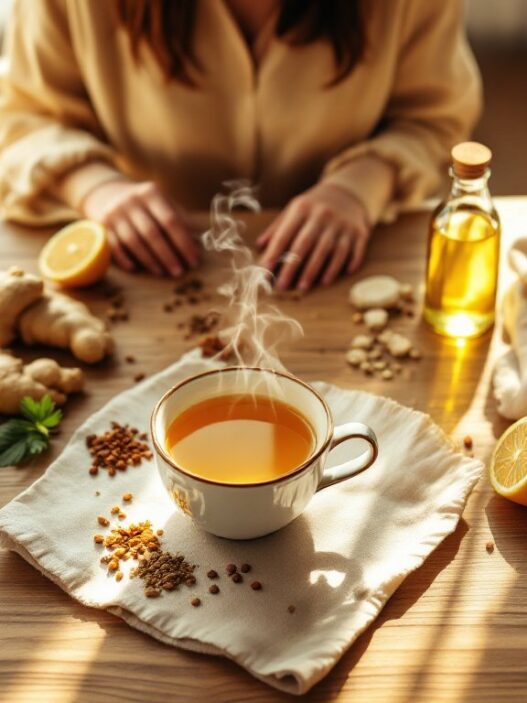
Try this today: Sip a cup of warm water with a pinch of dry ginger for 2 minutes after waking. Great for most people: skip if you have active heartburn or ulcers.
Common Signs and Where Puffiness Tends to Show Up

Puffiness has its favorite hiding spots. For me, it’s the under-eye area in the morning and my ankles by evening, especially after a long travel day. You might notice it in your fingers (rings feeling snug), your face (a softer, less defined jawline), your lower belly, or your calves after sitting too long.
There are subtle signs too. Your skin might feel cool and slightly clammy. You may see a brief indent when you press your shin or ankle. Clothes that fit perfectly last week feel oddly tight around the waistband. Energy can dip into that dull, foggy zone, a classic sign of ama dampening your tejas, your inner metabolic spark.
When the heavy, stable qualities of Kapha settle in tissues, things feel sluggish and smooth on the outside but stagnant underneath. That’s the puffiness story in plain language.
Try this: Once a day, do a 60-second “puffiness check”, press gently along your shin, under your eyes, and around your ankles. Helpful for everyone: if indents stay deep or pain shows up, see a professional.
Everyday Triggers Behind Bloating and Swelling

Most mild puffiness traces back to small, repeated habits, not one big villain. Late dinners are a big one for me. Eating heavy food after sunset asks your already-winding-down agni to run a night shift, and it usually clocks out early, leaving residue behind.
Other common triggers I’ve noticed: too much salty takeout, ice-cold drinks (they literally cool your digestive fire), sitting for hours without moving, skipping sleep, and emotional stress that disturbs prana, your steady life-force breath. Each of these nudges the cool, heavy, stagnant qualities upward and the warm, light, mobile ones down.
Hormonal cycles, long flights, and humid weather can all amplify it. None of these mean you’ve done something wrong, they just mean your channels need a little help moving things along.
Try this today: Pick the one trigger that feels most like you, and soften it for three days. Good for any body type: not a substitute for care if swelling is sudden or one-sided.
Diet Tweaks That Help Your Body Release Excess Fluid
Food is where I see the fastest shifts. Ayurveda’s logic here is simple: bring in the opposite qualities of what’s stuck. If puffiness is heavy, cool, oily, and dull, then your meals can lean warm, light, slightly dry, and a bit sharp (think gentle spices, not chili-bomb territory).
Think of it as cooking that flatters your agni instead of overwhelming it.
Cut Back on Sodium and Ultra-Processed Foods
Packaged foods are essentially a salt shower for your tissues. Excess sodium pulls water into spaces it doesn’t belong, and the heavy, gross quality of ultra-processed food tends to feed ama directly.
I’m not anti-salt, I just choose rock salt or a modest pinch of sea salt in home-cooked meals, and I keep an eye on sauces, chips, and frozen meals. Even a few days of cleaner eating can make rings and waistbands feel friendlier.
Try this: For 3 days, swap one packaged snack for warm, cooked food (like spiced lentils or roasted veggies). Suits most: adjust if you have specific sodium needs from your doctor.
Add Potassium-, Magnesium-, and B6-Rich Foods
This is where I lean on foods that feel light and lively: cooked leafy greens, ripe bananas, sweet potatoes, pumpkin seeds, mung beans, and a little cilantro. They support your body’s natural fluid balance and gently coax stagnation to move.
Warm, well-spiced cooking, cumin, coriander, fennel, a whisper of black pepper, wakes up tejas without burning you out.
Try this: Add one mineral-rich cooked vegetable to lunch daily for a week, about 5 minutes of extra prep. Lovely for Kapha and Vata: Pitta types, keep spices gentle.
Hydration Habits That Reduce Puffiness
Here’s a twist that surprised me years ago: drinking more cold water doesn’t fix water retention. Sometimes it makes it worse, because cold dulls agni and slows the very channels you want flowing.
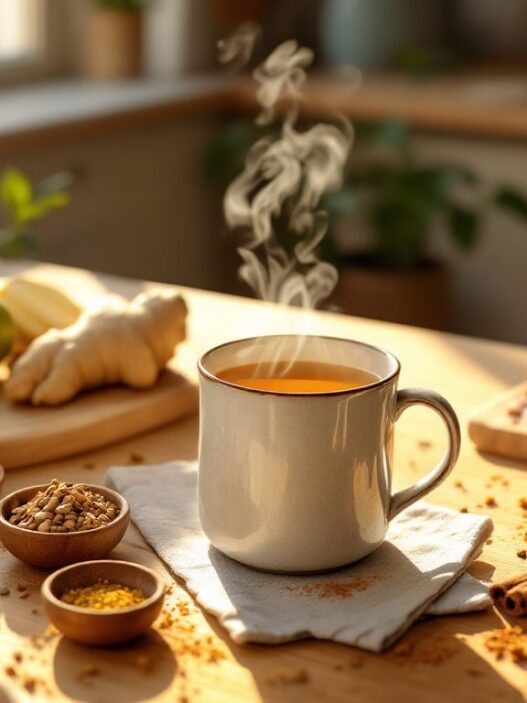
What works better, in my experience, is warm or room-temperature water, sipped through the day. I keep a thermos nearby and take small sips every 20–30 minutes. Cumin-coriander-fennel (CCF) tea is a classic for a reason, it’s light, slightly dry, and gently mobile, which is exactly what puffy tissues need.
I also stop chugging water with meals. A few sips, sure, but flooding your stomach mid-meal is like pouring water on a small campfire. Your agni deserves better.
Try this: Sip warm water hourly from morning until early evening, then taper. Takes zero extra time. Suits everyone: if you have kidney concerns, follow your provider’s guidance on fluid amounts.
Movement, Massage, and Posture Fixes
Stagnant fluid loves stillness. When I’ve been at my desk too long, my ankles let me know within hours. Movement is one of the kindest things you can do, not punishing workouts, just steady, rhythmic activity.
A brisk 20-minute walk, gentle yoga with legs-up-the-wall, or simple ankle pumps under your desk all bring back the light, mobile qualities your channels crave. I love legs-up-the-wall for 5 minutes after work: it’s almost embarrassingly effective.
Ayurveda also adores garshana, a dry brushing practice using raw silk gloves or a soft brush, done before showering. It’s slightly rough and warming, perfect medicine for the cool, smooth heaviness of retention. A short self-massage with warm sesame oil (called abhyanga) on lighter days works beautifully too, it nourishes ojas while keeping things moving.
Try this: 5 minutes of dry brushing toward the heart, 3 mornings this week. Wonderful for Kapha: Vata types, switch to warm oil massage instead.
Sleep, Stress, and Hormone-Related Fluid Shifts
Poor sleep is a quiet driver of puffiness that I underestimated for years. When you stay up past 10–11 pm, you push into Pitta’s nighttime window, which disrupts overnight repair and the rhythmic clearing your body does while you rest.
Stress is the other big one. Chronic stress scrambles prana, your steady breath and nervous system, and rattles cortisol, which then nudges your body to hold onto fluid and salt. Hormonal cycles can add their own wave: many of us notice extra puffiness in the days before a period, which is normal and usually softens with the same gentle habits.
A simple wind-down ritual helps: dim lights after 9 pm, a few minutes of slow nasal breathing, warm feet under a blanket. This protects ojas, your deep reserve of resilience.
Try this: Lights-out by 10:30 pm for 5 nights and notice your morning face. Beautiful for everyone: if cycle-related swelling is severe, please check with a practitioner.
Natural Diuretics and Herbal Teas Worth Trying
I keep a small rotation of teas that help my body release what it doesn’t need, gently. Coriander seed tea is my favorite, cooling without being cold, light, and soft on the system. Just simmer a teaspoon of seeds in a cup of water for 5 minutes and sip warm.
Cumin-coriander-fennel tea is another daily friend. Light, slightly dry, and kind to agni. Dandelion root tea can be useful for short stretches, especially if puffiness feels heavy and Kapha-like. Barley water is a traditional choice that feels both hydrating and lightening.
Fresh herbs help too: a few sprigs of cilantro in your salad, parsley in your soup, a small slice of fresh ginger in hot water before lunch. None of these are dramatic: that’s the point. Slow, steady, kind.
Try this: Choose one tea and drink a warm cup mid-morning for a week, about 7 minutes including prep. Generally suits all: Pitta types, skip strong ginger and lean on coriander and fennel.
If You’re More Vata, Pitta, or Kapha
This is where personalization really shines. The same puffiness can show up for different reasons, so the kindest fix looks different for each of us.
If you’re more Vata
Your puffiness often comes from irregular meals, cold food, travel, and overdoing it. Stick to warm, oily, grounding foods like cooked grains, mung dal, and root vegetables with ghee. Keep a steady rhythm, meals at similar times, bed by 10:30 pm.
Warm oil massage beats dry brushing for you. One thing to avoid: ice-cold drinks and skipped meals. Try this: 10-minute warm sesame oil self-massage before a shower, 3x a week.
If you’re more Pitta
Your swelling often comes with warmth, redness, or irritation, especially in summer or after spicy meals. Favor cooling, light foods, cucumber, coriander, sweet fruits, basmati rice, leafy greens. Move in the early morning or evening, not midday heat.
One thing to avoid: very salty, fried, or overly sour foods. Try this: A cup of room-temperature coriander tea after lunch daily for a week.
If you’re more Kapha
Your puffiness tends to be the classic heavy, cool, slow kind. Favor warm, light, slightly dry, well-spiced food. Skip dairy-heavy breakfasts and cold leftovers. Move daily, brisk walks, dancing, anything that brings warmth and a little sweat.
One thing to avoid: napping after meals and sugary drinks. Try this: 20 minutes of brisk movement before breakfast, 5 days a week.
Your Ideal Daily Routine for Lightness
A small, repeatable rhythm beats any one heroic effort. In the morning, I start with warm water and a few minutes of gentle stretching or dry brushing, this wakes up channels that slept all night. A warm, lightly spiced breakfast follows, not a cold smoothie.
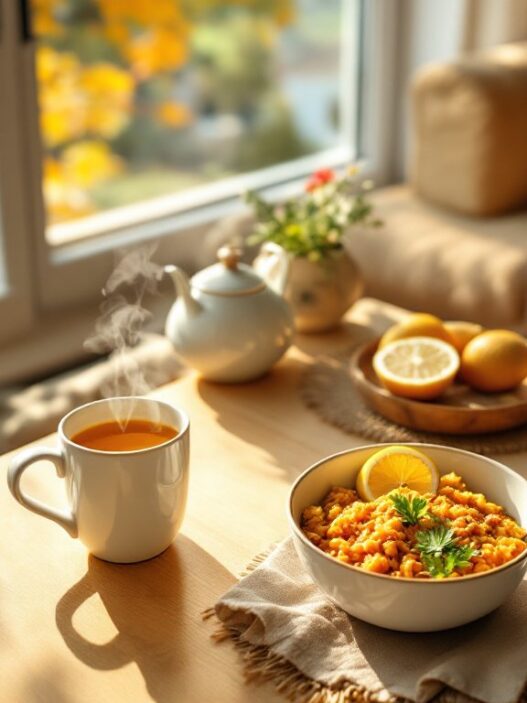
At midday, when agni is strongest (roughly 12–2 pm), I eat my largest meal. This single shift has reduced my evening puffiness more than anything else. In the evening, I keep dinner light and early, soup or kitchari by 7 pm if possible, and wind down with dim lights and slow breathing.
Try this: Anchor lunch as your main meal for 5 days. Takes no extra time, just a swap. Helpful for almost everyone: growing kids and athletes may need bigger evening meals.
Seasonal Adjustments for Puffiness
Seasons shift the qualities around you, so your habits get to shift too. In humid, rainy, or cold-damp weather, Kapha climbs and puffiness can intensify. Lean warmer, lighter, and drier, think soups, ginger tea, and more movement indoors.
In hot summer months, Pitta runs the show. Swelling can come with heat and inflammation, so cooling foods like cucumber and coconut water (in modest amounts) help. In dry, windy autumn, Vata’s roughness can disturb your channels, return to warm oils, grounding meals, and steady routines.
Try this: This week, name your season’s dominant quality and pick one opposite to bring in. 2 minutes of reflection. Suits all: adjust intensity to your energy levels.
A Quick Bridge to Modern Life
If you prefer modern framing, much of this maps neatly onto your nervous system and lymphatic flow. Slow breathing calms the vagus nerve. Walking and dry brushing support lymphatic drainage. Cutting ultra-processed food lowers sodium and inflammation.
Ayurveda just gives you a more personalized, rhythm-based way to apply it, one that respects your unique constitution instead of handing everyone the same checklist.
Try this: Pair one Ayurvedic habit with a modern cue you already have (warm water after brushing teeth). Zero extra time. Works for everyone.
A Gentle Closing Thought
Mild puffiness isn’t a flaw, it’s feedback. Your body is whispering that something in your rhythm wants a little tenderness. The remedies I’ve shared aren’t dramatic, and that’s exactly why they work. Lightness builds quietly, one warm cup of tea, one earlier dinner, one mindful walk at a time.
If you try even one of these this week, I’d love to hear how it lands for you. Share this with a friend who wakes up puffy too, and drop a comment below: which habit feels most like your starting point right now?