




Why Your Body Overheats and When It Becomes Dangerous
When I overheat, I like to remind myself that my body isn’t broken, it’s just trying to release more heat than it can comfortably let go of. From an Ayurvedic view, this is Pitta dosha climbing too high. Pitta carries hot, sharp, slightly oily, and mobile qualities, and summer pours more of those same qualities on top of you.
If you tend to run warm already (more Pitta by nature), you’ll feel this first. Vata types may feel scattered and dehydrated, while Kapha types often feel heavy, sluggish, and swollen rather than flushed. Same heat, different experience.
When Pitta spikes, your tejas, the metabolic spark behind clear thinking and steady digestion, can flare into something sharper and less useful. That’s when you get the headache, the short fuse, the burning eyes.
Recognizing the Warning Signs of Heat Exhaustion and Heatstroke
I pay close attention to a few signals: heavy sweating that suddenly stops, a pounding head, nausea, dizziness, a racing heart, or skin that feels hot and dry instead of damp. Confusion, slurred speech, or fainting are emergencies, that’s heatstroke territory, and it needs medical care immediately.
Gentler early warnings include flushed cheeks, irritability, dark urine, and that wobbly, ungrounded feeling. Catching it here is the whole game.
Try this: Pause whatever you’re doing, move to shade or a cool room, and sip room-temperature water slowly for 10 minutes. Good for most adults: not a substitute for emergency care if symptoms are severe.
Hydration Strategies That Actually Lower Your Core Temperature
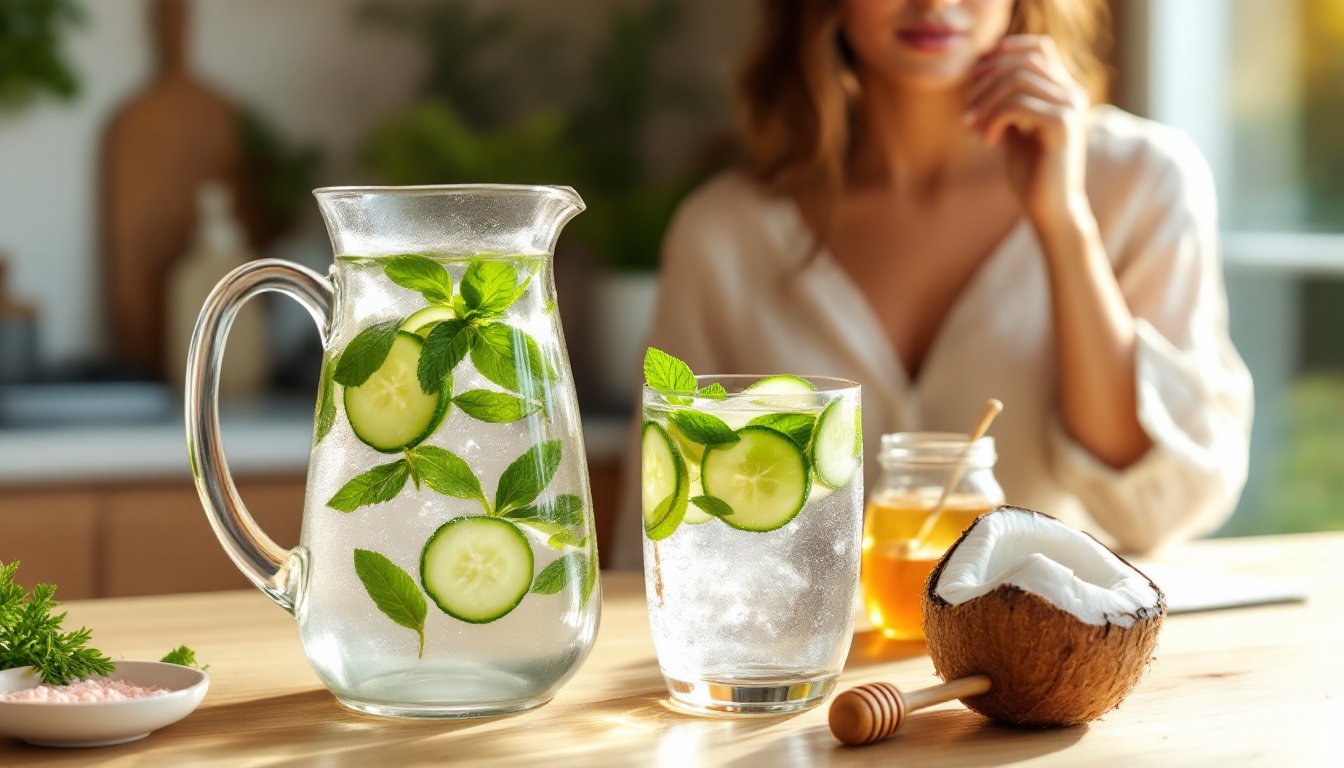
Here’s where I gently push back on a common habit: chugging ice water. Ayurveda sees intensely cold drinks as a shock to agni, your digestive fire. When agni gets dulled, food sits longer, ferments, and creates ama, that sticky, undigested residue that leaves you feeling heavy and foggy even though you’re “hydrating.”
What actually cools your core is steady, room-temperature or slightly cool fluid, sipped often. Think small mouthfuls every 15 minutes rather than a giant glass once an hour. This keeps prana, your life force and nervous system steadiness, flowing smoothly instead of crashing.
Best Drinks and Electrolyte Options for Rapid Rehydration
My summer favorites lean on naturally cooling, slightly sweet qualities that balance Pitta’s sharp heat. Coconut water is a classic, light, hydrating, and gently mineral-rich. Fresh lime with a pinch of mineral salt and a touch of raw sugar or honey (added after the water cools) gives you a homemade electrolyte drink that’s far kinder than neon sports drinks.
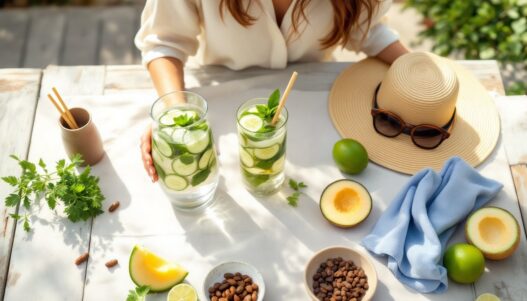
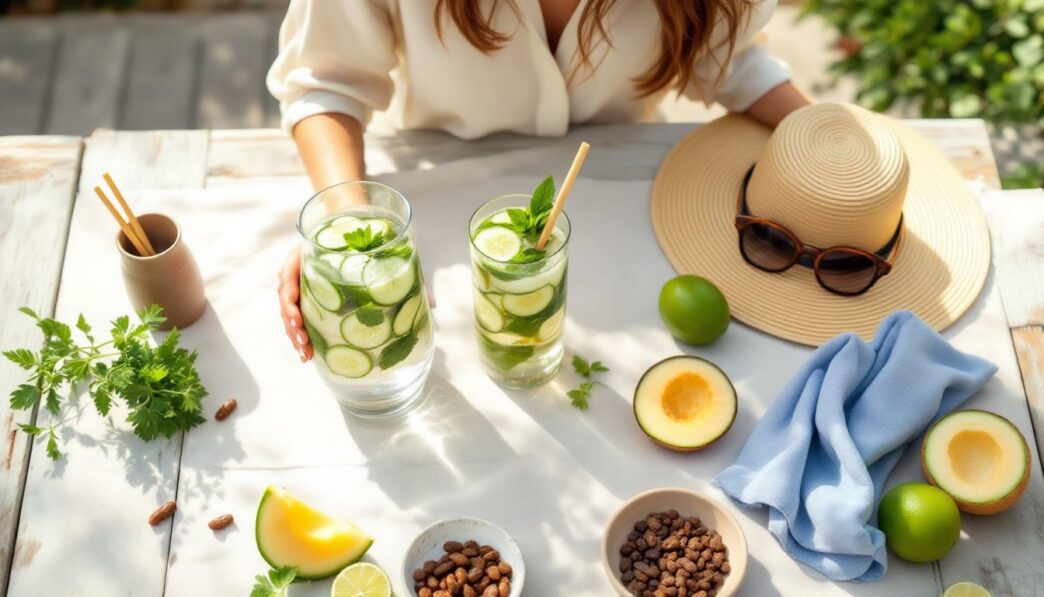
I also love cucumber-mint water, fennel tea cooled to room temperature, and a small glass of buttermilk (thin yogurt blended with water, a pinch of cumin, and cilantro) with lunch.
Try this: Keep a one-liter bottle of room-temperature water with a few cucumber slices nearby and finish it over 2–3 hours. Great for anyone overheating: skip the salty drinks if you have blood pressure concerns.
Fast-Acting Cooling Techniques You Can Do at Home

When I’m visibly overheated, I go for the body’s natural “radiators”, places where blood vessels run close to the surface. Cooling these spots brings your core temperature down without that jarring, full-body shock that can actually make your body clamp down and hold heat in.
A damp, cool (not icy) cloth on the back of the neck works beautifully. So does running cool water over your inner wrists for 30 seconds at a time. The qualities you’re invoking here are cool, smooth, and stable, direct opposites of hot, rough, and mobile Pitta in overdrive.
I also love a simple foot soak in cool water with a few drops of rose or sandalwood. It sounds almost too gentle to work, but the feet are deeply connected to your nervous system, and cooling them quiets the whole body.
Pressure Points and Cold Compress Placement for Quick Relief
The spots I return to most: the nape of the neck, the inner wrists, behind the knees, the temples, and the crown of the head. A cool compress at the third-eye area (between the brows) is wonderfully calming when your head is pounding.
Gently massaging the temples with a drop of coconut oil mixed with a tiny bit of cooling oil can settle a hot, racing mind too.
Try this: Place a cool, damp cloth on your neck and another on your wrists for 5 minutes. Suitable for most adults: avoid ice-cold compresses if you have circulation issues.
Foods That Help Your Body Beat the Heat
What you eat in summer matters more than people realize. Heavy, oily, deep-fried, or heavily spiced foods stack hot and dull qualities on top of already-stressed agni, slowing digestion and feeding ama. You feel it as that post-lunch lead blanket plus a flushed face.
I lean toward foods that are light, slightly sweet, mildly bitter, and astringent, qualities that cool Pitta naturally. Cucumber, melons, sweet pears, ripe summer berries, leafy greens, cilantro, mint, fennel, coconut, and soaked raisins are staples in my kitchen from May through September.
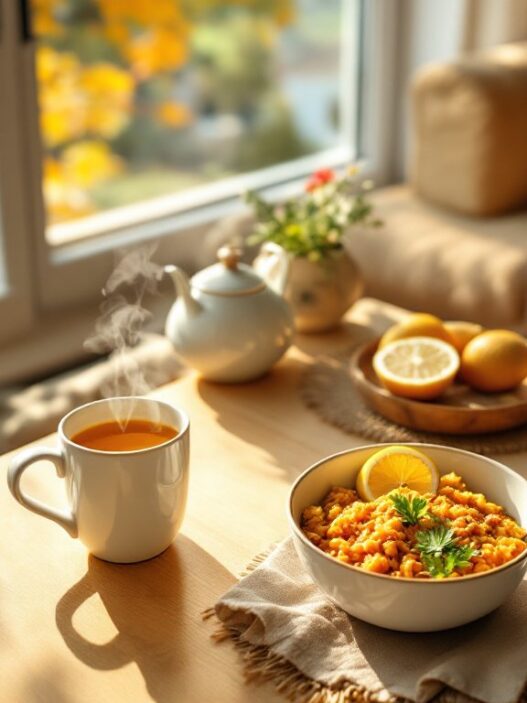
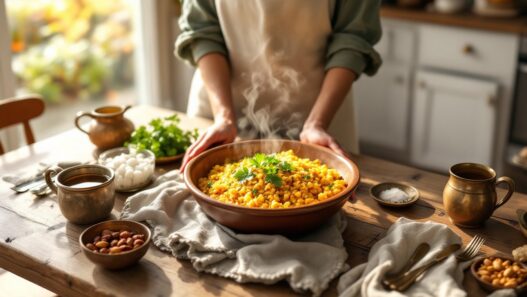
For meals, I keep cooked foods simple: basmati rice, mung dal, sautéed zucchini or summer squash, a little ghee, and cooling herbs like cilantro and fresh dill. Ghee is technically oily, but used in small amounts it actually soothes the gut lining and keeps tejas balanced rather than sharp.
What I gently move away from in heat: chili-heavy dishes, tomato-heavy sauces, fermented foods in large amounts, hard alcohol, and excess coffee. They’re all heating, sharp, or fermenting in a way your summer body doesn’t need.
Try this: Build one meal today around cucumber, cilantro, basmati rice, and a squeeze of lime. Good for most: adjust if you have specific food sensitivities.
What to Wear and How to Adjust Your Environment
I think of my clothes and my space as the first layer of medicine in summer. Light, loose, breathable fabrics in pale colors let heat escape and reflect the sun rather than trapping it against your skin. Cotton, linen, and soft natural blends are my go-tos. Tight synthetics in summer are basically a personal greenhouse.
At home, I close blinds during the hottest hours (roughly 11 a.m. to 4 p.m.) and open windows in the cooler early morning and late evening to let cross-breezes do their quiet work. A small fan placed near a bowl of cool water creates a gentle, humid coolness that feels much kinder than blasting AC.
Colors matter too, pale blues, soft greens, off-whites, and silvery tones all carry a cooling, calming feel for your eyes and nervous system. Hot reds, oranges, and tight blacks visually amplify the heat your mind is already tracking.
Try this: Switch into one loose cotton outfit today and shade the sunniest window in your home before noon. Helpful for everyone: especially supportive for Pitta-dominant folks.
Outdoor Survival Tips for Unavoidable Heat Exposure
Sometimes you can’t avoid being out in it, commuting, working outside, running errands, caring for kids. In those moments, I plan around Ayurvedic timing. Pitta’s peak hours run roughly from 10 a.m. to 2 p.m., which is exactly when the sun is fiercest. If you can shift errands or movement to before 9 a.m. or after 5 p.m., your body will thank you.
A wide-brimmed hat, sunglasses, and a damp bandana around the neck make a real difference. I also carry a small spray bottle of rose water in my bag, one mist on the face and the back of the neck is genuinely reviving.
Pace yourself. Heat makes everything feel more mobile and scattered, which is hard on Vata especially. Walk slower, take more shade breaks, and treat hydration as a steady drip, not a finish-line gulp.
If you start feeling dizzy, queasy, or strangely chilled in the heat, that’s your cue to stop and find cool shelter immediately.
Try this: Shift one outdoor task to before 9 a.m. tomorrow. Suitable for everyone: essential for older adults, kids, and those on heat-sensitive medications.
Natural and Herbal Remedies Worth Trying
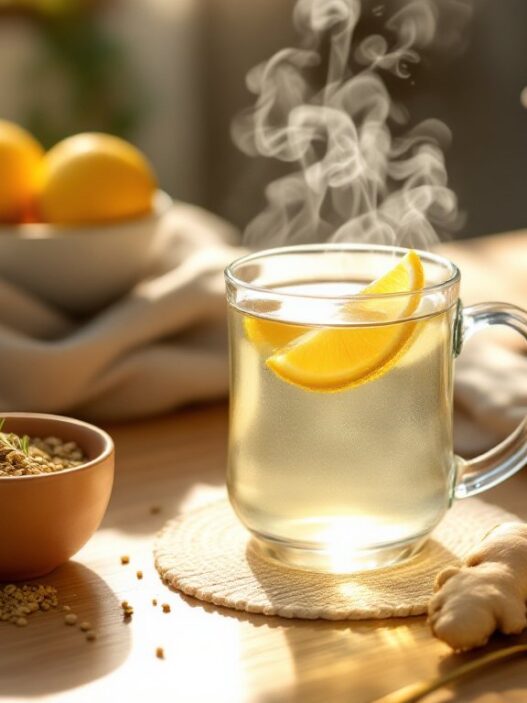
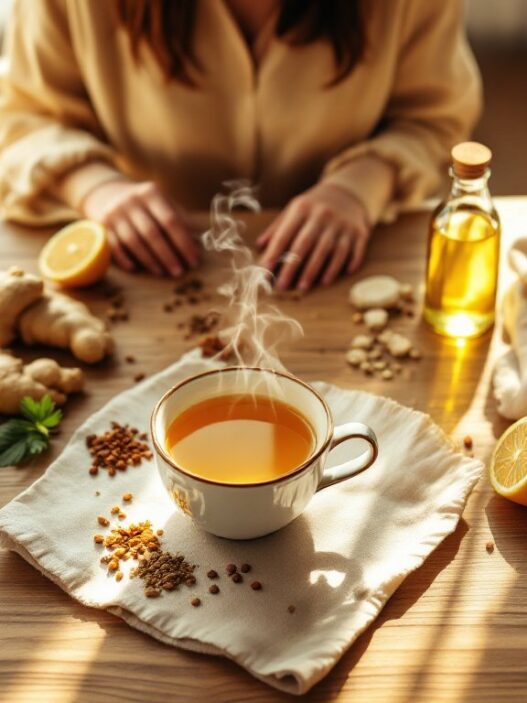
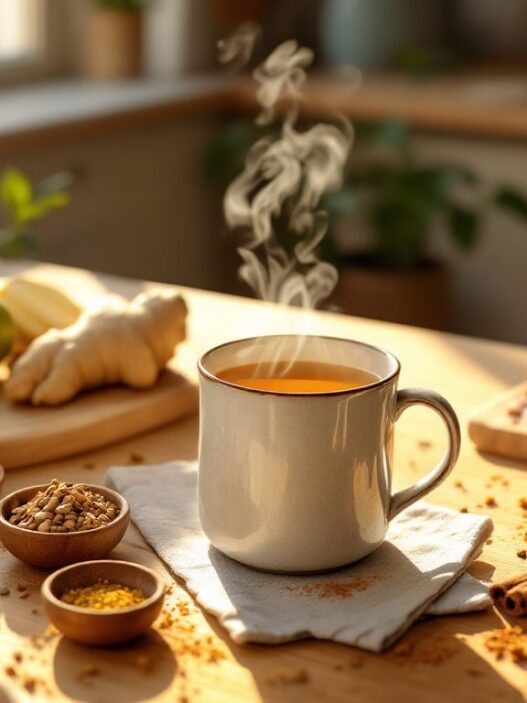
A few traditional Ayurvedic allies have earned permanent spots on my summer shelf. Coriander seed tea, just a teaspoon of seeds simmered in water for a few minutes, then cooled, is wonderfully cooling and supports digestion without dulling agni. Fennel seeds chewed after meals do similar gentle work.
Amla (Indian gooseberry), often taken as a powder or juice, is one of the most beloved cooling tonics in Ayurveda. It supports ojas, that deep, resilient vitality that keeps you steady through stressful seasons, while quieting excess Pitta.
Shatavari and brahmi are two herbs I often suggest for those who feel mentally hot and reactive in summer: they soothe the nervous system and support prana. Aloe vera juice, taken in small amounts, cools the gut and liver beautifully.
For topical relief, sandalwood paste or a few drops of sandalwood oil mixed with coconut oil on the temples, chest, and soles of the feet is the kind of remedy that feels almost ceremonial in how good it is.
If You’re More Vata, Pitta, or Kapha
If you’re more Vata, the heat dries you out fast, dry skin, anxious thoughts, light sleep. Favor warm, cooked, slightly oily foods like basmati rice with ghee and steamed vegetables. Keep a steady, slower pace and avoid skipping meals or over-scheduling. One thing to skip: long stretches in dry AC, which deepens the dryness.
If you’re more Pitta, you’re feeling the season most directly. Lean on sweet, bitter, and astringent foods, cucumber, leafy greens, sweet fruits, coconut. Keep your environment cool, your schedule less competitive, and your evenings unhurried. One thing to skip: spicy, fermented, and alcoholic drinks, which pour fuel on the fire.
If you’re more Kapha, heat can make you feel heavy, swollen, and unmotivated rather than flushed. Favor lighter foods, salads, mung dal, lightly spiced vegetables, and keep moving with gentle morning walks. One thing to skip: heavy dairy and iced sweet drinks, which thicken ama and weigh you down further.
Daily Routine (Dinacharya) That Keeps You Cool
Two small habits change everything for me. First, a cool morning rinse, splashing cool water on the face, eyes, and inner wrists right after waking sets a calm baseline for the day. Second, a brief evening self-massage (abhyanga) with coconut oil on the feet and scalp before bed cools the nervous system and supports deep sleep, which is where ojas quietly rebuilds.
Around midday, pause for a real meal at the table rather than eating on the move, Pitta-time digestion is strongest then, and a calm meal supports steady tejas.
Seasonal Adjustment (Ritucharya) for Hot Months
In summer, Ayurveda shifts the whole rhythm gentler and slower. Wake a touch earlier while it’s still cool, eat your heaviest meal at lunch rather than dinner, and keep evenings light, a soupy mung dal, some rice, maybe stewed sweet fruit. Save intense workouts for early morning or after sunset.
In dry heat, add more hydrating foods (melons, cucumber). In humid heat, lean lighter and add a pinch of warming spice like cumin or fresh ginger to keep agni from getting bogged down.
Modern Relevance
In modern language, much of this is about supporting your nervous system and circulatory load during heat stress. Cooling the pulse points, slowing the pace, eating lighter at midday, and protecting your sleep all reduce the physiological strain that hot weather puts on your heart, brain, and gut. Ayurveda just got there a few thousand years earlier, and added the personalization piece.
Try this: Pick one habit from above and keep it for seven days. Suitable for most adults: modify herbs and routines if pregnant, nursing, or on medication.
A Gentle Closing Thought
Cooling down isn’t really about icing yourself into submission, it’s about returning to balance with the same patience your body is asking for. A few sips of coriander tea, a damp cloth on the neck, a slower walk, an earlier dinner. These small choices add up to a summer that feels survivable, even enjoyable.
If you try one of these remedies this week, I’d love to hear which one made the biggest difference for you. Share this with someone who’s been wilting in the heat too, and drop a comment below, what does your body usually ask for when the temperature climbs?