







Why Cutting Sugar Doesn’t Have to Mean Cutting Joy
In Ayurveda, there are six tastes, sweet, sour, salty, bitter, pungent, and astringent, and every single one plays a role in keeping you balanced. The sweet taste, called madhura, is actually the most nourishing of all. It builds tissue, calms the nervous system, and supports what Ayurveda calls ojas, your deep reserve of vitality and immune resilience.
So when you crave something sweet, your body isn’t broken. It’s communicating. It might be telling you it needs grounding, comfort, or genuine nourishment.
The trouble starts when we answer that call with refined sugar. Refined sugar is intensely sweet but nutritionally hollow, it’s hot, sharp, and fast-acting, which lights up your metabolism like a match and burns out just as quickly. That crash sends you reaching for more, and the cycle builds.
From an Ayurvedic perspective, excess refined sugar aggravates Kapha dosha (creating heaviness, sluggishness, congestion) while also destabilizing Vata (creating that jittery, anxious, up-and-down energy). Even Pitta types feel the sting, the sharp, heating quality of processed sugar can fuel irritability and inflammation.
The goal isn’t to eliminate sweetness. It’s to choose sweetness that actually feeds you, the naturally sweet, heavy, smooth, and cool qualities found in whole foods, instead of sweetness that depletes you.
Do this today: Notice your next sugar craving without acting on it immediately. Just pause for 30 seconds and ask, “Am I hungry, tired, or stressed?” This takes less than a minute and works for anyone, regardless of your constitution.
Identify the Hidden Sugars Sneaking Into Your Diet

Here’s something that caught me off guard when I started paying attention: a huge portion of the sugar I consumed wasn’t coming from desserts. It was hiding in sauces, yogurt, granola bars, bread, and even “healthy” smoothies.
In Ayurveda, this matters because of ama, the concept of undigested residue that accumulates when your digestive fire (called agni) can’t process what you’re taking in. Hidden sugars are sneaky precisely because you don’t realize how much your agni is working to metabolize them. Over time, this creates a dull, heavy, sticky kind of buildup in the body. You might notice it as a coated tongue in the morning, brain fog after meals, sluggish digestion, or that vague feeling of being “puffy” without knowing why.
The qualities of ama are heavy, cold, dull, and sticky, the opposite of the clarity and lightness you feel when agni is strong. Every time hidden sugars slip past your awareness, they add to this accumulation, quietly dimming your tejas, that inner metabolic spark responsible for clear thinking and sharp perception.
Start by getting curious. Flip over the packages in your kitchen. Anything with more than a few grams of added sugar per serving is worth questioning. Condiments, salad dressings, and flavored drinks are the usual culprits.
Do this today: Pick three packaged foods you eat regularly and check their sugar content. Swap one of them for a simpler alternative, like plain yogurt instead of flavored. This takes about 10 minutes and is especially helpful for Kapha-predominant types who tend to accumulate ama more readily.
Swap Sugary Drinks for Flavorful Alternatives

Liquid sugar is one of the fastest ways to overwhelm your agni because it bypasses the chewing and mixing process that normally prepares your body for digestion. Sugary drinks flood your system with a rush of sweet, sharp, mobile energy, which spikes and crashes almost immediately.
I found that replacing sweetened drinks wasn’t about deprivation at all once I discovered how satisfying the alternatives could be. A glass of room-temperature water with fresh ginger and a squeeze of lime has a gentle pungent-sour quality that actually satisfies more than soda ever did, because it engages multiple tastes at once. Your body registers completeness.
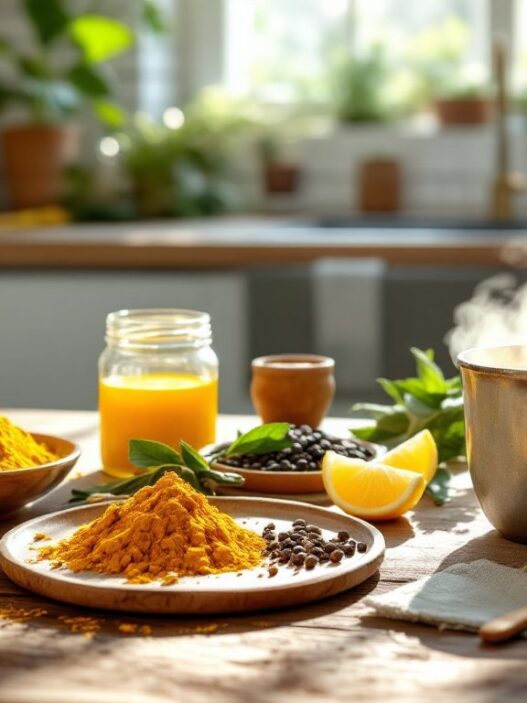
Cumin-coriander-fennel tea (a classic Ayurvedic blend) is another favorite. It’s lightly sweet and cooling, supports digestion beautifully, and has a smooth, calming quality that settles both Vata’s restlessness and Pitta’s intensity. You can brew a big batch in the morning and sip it throughout the day.
Fresh mint steeped in warm water works wonderfully in warmer months, it’s cool, light, and subtly sweet without any added sugar at all.
The key principle here is replacing mobile, sharp, hot qualities with stable, smooth, cool ones. You’re not taking something away. You’re offering your body something it actually prefers.
Do this today: Replace one sugary drink with warm cumin-coriander-fennel tea or ginger-lime water. Takes 5 minutes to prepare. This swap works for all dosha types, though Pitta types will especially appreciate the cooling options.
Retrain Your Taste Buds Gradually Instead of Going Cold Turkey
Going cold turkey on sugar is a very Vata approach, sudden, intense, all-or-nothing. And for most people, it backfires. The abrupt withdrawal creates a kind of internal dryness and instability that sends cravings roaring back even stronger.
Ayurveda favors a gentler path. Gradual change respects your body’s intelligence and gives your taste receptors time to recalibrate. When you slowly reduce the amount of sweetener in your tea or coffee over a couple of weeks, something fascinating happens, your palate wakes up. You start tasting subtleties you’d been drowning out.
This is your prana, your life force and sensory aliveness, coming back online. When the senses aren’t overwhelmed by extreme flavors, they become more refined. Food tastes richer. Meals become more satisfying. You actually need less to feel content.
Use Natural Sweetness From Whole Foods
Nature already packed sweetness into so many foods, you just might have forgotten because refined sugar turned up the volume so high that everything else sounded quiet.
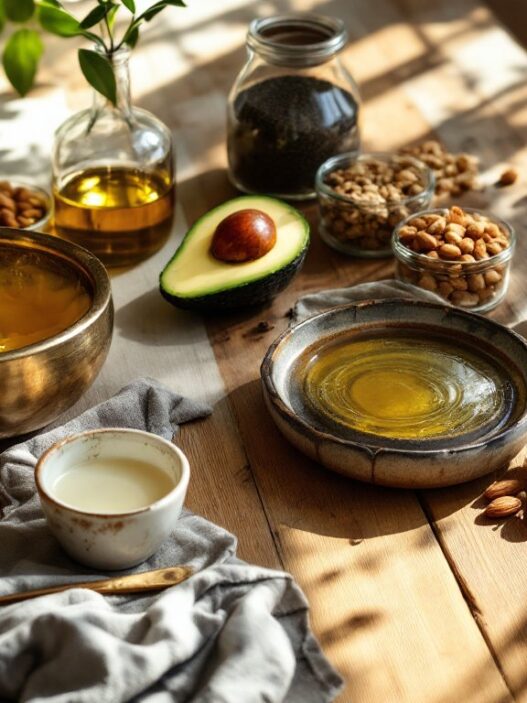
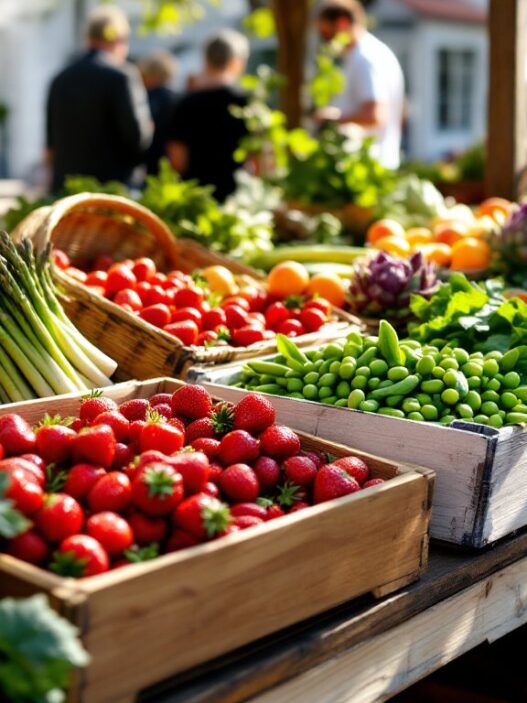
Roasted sweet potatoes, ripe pears, cooked beets, soaked dates, warm spiced milk with a touch of raw honey, these carry the sweet taste along with the heavy, smooth, oily qualities that genuinely nourish your tissues and build ojas. Unlike refined sugar, they come bundled with fiber and micronutrients that your agni can actually work with.
A soft, ripe banana mashed into warm oatmeal with cardamom and a drizzle of ghee? That’s not a compromise. That’s a deeply satisfying meal that calms Vata, pleases Pitta, and, in moderate portions, won’t overwhelm Kapha.
Do this today: Reduce the sweetener in your morning drink by half and add a pinch of cinnamon or cardamom. Give it two weeks. This takes zero extra time and is perfect for beginners of any constitution. If you’re Kapha-predominant, try using a small amount of raw honey (never heated) instead of sugar, its light, dry, scraping qualities help counter Kapha’s natural heaviness.
Build Balanced Meals That Crush Sugar Cravings
Most sugar cravings aren’t actually about sugar. They’re about incomplete meals.
When a meal lacks grounding substance, when it’s too light, too dry, or too simple, your body sends a signal for quick energy. And refined sugar is the quickest source it knows. From an Ayurvedic standpoint, this is your agni asking for proper fuel.
A balanced meal includes all six tastes, but especially the sweet (grains, root vegetables, natural fats), salty, and sour tastes that provide stability and satisfaction. When these are present, the craving for concentrated sweets after eating tends to quiet down naturally.
Prioritize Protein, Fiber, and Healthy Fats
In Ayurvedic terms, protein-rich foods and healthy fats carry heavy, oily, stable qualities that directly counter the light, mobile, dry qualities driving most cravings. Fiber adds a grounding, rough quality that slows digestion and keeps agni burning steadily rather than flaring and crashing.
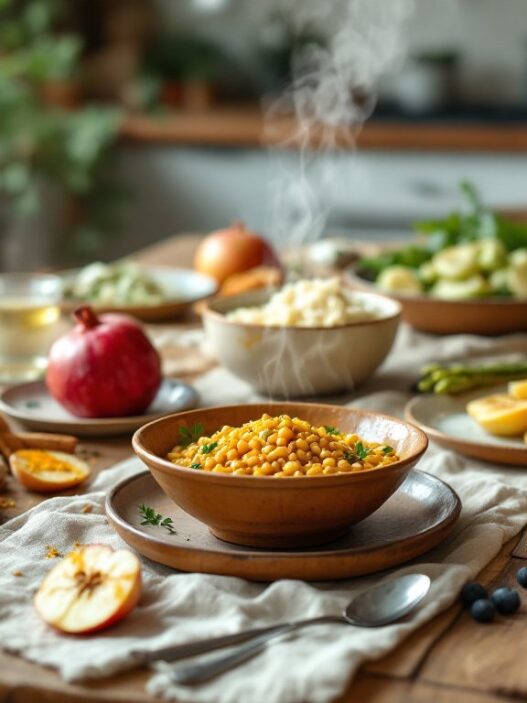
Think of meals built around dal (lentil soup) with rice and ghee, or a warm grain bowl with roasted vegetables, tahini, and a squeeze of lemon. These combinations keep your blood sugar stable for hours and protect your ojas from depletion.
When your cells are genuinely nourished, the frantic search for sugar simply stops. It’s not willpower. It’s satisfaction.
Do this today: Add a tablespoon of ghee or a handful of soaked nuts to your next meal and notice how it affects your post-meal cravings. Takes no extra time. Vata and Pitta types benefit most from the added oily, heavy qualities: Kapha types can use a smaller amount and emphasize the fiber-rich components instead.
Master the Art of Smarter Snacking
Snacking culture is tricky from an Ayurvedic perspective. Your agni works best when it has space between meals, time to fully digest one meal before receiving the next. Constant grazing keeps your digestive fire in a perpetually low, smoldering state, which is a recipe for ama buildup.
But I also live in the real world. Sometimes there’s a long gap between lunch and dinner, and something small bridges that gap beautifully.
The key is choosing snacks that are warm, simple, and easy to digest. A few soaked almonds with a pinch of sea salt. A small cup of warm spiced milk. A date stuffed with a sliver of ghee. These choices carry the sweet, heavy, smooth qualities that satisfy without overwhelming your digestion.
What you want to avoid is the cold, dry, overly processed snack, the protein bar, the flavored rice cake, the handful of sugary trail mix, that your agni struggles with and that leaves you wanting more 20 minutes later.
Do this today: If you’re a Vata type, try 4–5 soaked almonds with warm water between meals, the oily, heavy quality calms Vata beautifully. Pitta types might prefer a sweet, ripe piece of fruit like a pear. Kapha types, try sipping warm ginger tea instead of snacking, it stokes agni without adding heaviness. Takes about 5 minutes. If you tend to snack out of boredom rather than hunger, this is especially for you.
Rethink Dessert Without Giving It Up
I’ll be honest, I love dessert. And Ayurveda doesn’t ask you to give it up. It asks you to be smart about it.
The ideal time for something sweet is actually at the beginning or middle of a meal, when agni is at its strongest. Eating heavy, sweet foods at the end of a meal, when digestion is already winding down, is like adding a wet log to a dying fire. It smolders instead of burning clean.
This connects to Ayurvedic timing: your digestive fire mirrors the sun. It peaks around midday. So if you’re going to enjoy something rich and sweet, lunchtime is your best window. A small dessert at lunch digests far more completely than the same thing at 9 p.m.
As for what dessert looks like, think warm, spiced, and naturally sweet. Stewed apples with cinnamon and a touch of ghee. A small bowl of kheer (rice pudding) made with cardamom and saffron. Dark chocolate melted slowly on the tongue. These carry the smooth, warm, oily qualities that comfort without creating the sharp spike-and-crash cycle of refined sugar desserts.
When dessert is warm, well-spiced, and eaten at the right time, it actually supports agni rather than smothering it. That’s the difference.
Do this today: Try having your sweet treat at lunch instead of after dinner tonight. Notice how differently your body handles it. Takes no extra effort, just a shift in timing. Works for all constitutions, though Kapha types benefit from keeping portions small and adding warming spices like ginger or black pepper.
Manage Stress and Sleep to Keep Cravings in Check
Here’s where it all comes together, and where most “reduce sugar” advice falls short.
When you’re stressed or sleep-deprived, your Vata dosha shoots up. Vata is dry, light, mobile, cold, and rough. Your nervous system becomes scattered. Your prana, your life-force energy, gets thin and unsteady. And your body, in its wisdom, reaches for the fastest source of grounding it can find: sugar. Heavy, sweet, quick.
No amount of meal planning can outrun chronic stress. This is why Ayurveda places so much emphasis on dinacharya, your daily routine, as the foundation of health.
Two daily habits that directly reduce sugar cravings:
First, a consistent wake time and bedtime. Even a rough version of this, within the same 30-minute window each day, stabilizes Vata and improves agni. Your body starts anticipating meals, digesting more completely, and craving less.
Second, a brief self-massage (abhyanga) with warm oil before your shower. This is one of the most powerful Vata-calming practices in Ayurveda. The warm, oily, smooth, heavy qualities of the oil seep through your skin and directly counter the dry, light, mobile qualities that drive anxious cravings. Even 5 minutes with warm sesame oil on your feet and scalp before bed can shift everything.
For seasonal adjustment, consider this: in autumn and early winter, Vata season, when the air turns cold, dry, and windy, sugar cravings naturally intensify. This is the time to double down on warm, oily, grounding foods. More ghee, more soups, more warm milk with nutmeg before bed. In summer’s heat, Pitta-driven cravings lean toward sharp, intense flavors, cool, naturally sweet foods like coconut, melon, and cilantro help balance that fire without reaching for ice cream.
Modern stress research actually mirrors this Ayurvedic understanding beautifully. When cortisol is elevated, the body craves calorie-dense foods for quick energy. Ayurveda recognized this pattern thousands of years ago and built an entire system of daily and seasonal routines to address the root cause, not just the craving itself.
When your nervous system feels safe and your rhythms are steady, tejas, your inner clarity, brightens. You make better choices not through discipline, but through genuine preference. The sugar loses its grip because you’re no longer running on empty.
Do this today: Tonight, try a warm oil foot massage before bed, just 5 minutes with sesame oil (or coconut oil if you tend to run hot). Notice how you sleep and how your cravings feel tomorrow. This is especially powerful for Vata and Pitta types. Kapha types might prefer dry-brushing (garshana) with silk gloves in the morning to stimulate circulation and lightness.
This is general education, not medical advice. If you’re pregnant, managing a condition, or taking medication, check with a qualified professional.
Reducing sugar isn’t about perfection or punishment. It’s about coming home to a body that feels nourished, steady, and genuinely satisfied. Every small shift, the warmer drink, the better-timed meal, the moment of pause before reaching for the sweet, builds on itself. Over weeks and months, these shifts become your new normal, and the old patterns fade quietly.
I’d love to hear what resonates with you. Which of these approaches are you drawn to try first? Drop a comment below or share this with someone who’s been struggling with the sugar roller coaster, sometimes knowing there’s a gentler way forward makes all the difference.
What does true sweetness look like in your life?