






Understanding PMS and Why Symptoms Vary
Here’s something that used to confuse me: my best friend’s PMS looked nothing like mine. She’d get bloated and sluggish. I’d get anxious and crampy. Another friend mostly dealt with irritability and breakouts. Same phase of the cycle, completely different experiences.
Ayurveda explains this beautifully through the doshas, three broad constitutional patterns called Vata, Pitta, and Kapha. Each one governs different qualities in your body and mind, and each one gets aggravated in its own way during the premenstrual window.
Vata is the energy of movement and air. When it rises, you might notice anxiety, irregular or sharp cramps, dry skin, constipation, and a scattered feeling. Vata-type PMS tends to feel mobile, dry, and light, like your nervous system is buzzing and you can’t settle.
Pitta is the energy of transformation and fire. Excess Pitta can bring irritability, acne, loose stools, headaches, and a short temper. The qualities here are hot, sharp, and oily, everything feels a bit too intense.
Kapha is the energy of structure and water. When Kapha accumulates, you’ll feel heavy, bloated, emotionally flat, and sluggish. The qualities are heavy, cool, dull, and smooth, like everything is moving through molasses.
So the reason your PMS doesn’t look like anyone else’s is because your dosha pattern is uniquely yours. And here’s the important part: the remedies that work best are the ones matched to your pattern, not a generic list.
Ayurveda also points to something called nidana, the root cause. PMS doesn’t appear out of nowhere. It builds through the month based on what you eat, how you sleep, how much stress you carry, and whether your digestion is running clean or sluggish. The premenstrual phase simply amplifies whatever imbalance was already quietly accumulating.
Do this today: Spend five minutes noticing which description above fits your typical PMS pattern, Vata, Pitta, or Kapha. You don’t need to be precise. Just notice the general flavor. This takes about five minutes of honest reflection and works for anyone, regardless of where you are in your cycle.
Natural Remedies for Menstrual Cramps

Cramps are probably the symptom that brings people to search for remedies for PMS more than anything else. In Ayurveda, menstrual cramps are primarily a Vata issue. Vata governs all downward movement in the pelvis, including menstrual flow, and when it’s aggravated, that movement becomes tense, spasmodic, and painful rather than smooth.
The qualities involved? Dry, cold, mobile, and rough. Think of it this way: when the pelvic area lacks warmth and moisture, the muscles grip instead of release. That’s why natural cramp remedies in Ayurveda focus on bringing the opposite qualities, warm, oily, stable, and smooth, back into the body.
Heat Therapy and Gentle Movement
This one is ancient and it works. Warmth is the direct antidote to the cold, constricting quality that drives cramps. A hot water bottle on your lower belly or lower back isn’t just comforting, it’s genuinely therapeutic. The heat relaxes smooth muscle tissue and encourages Vata to flow downward naturally instead of getting stuck.
Gentle movement helps too, but the key word is gentle. I’m not talking about a HIIT class. Think slow walking, easy hip circles, or a few minutes of supported child’s pose. The goal is to invite mobility without adding more of that frantic, scattered Vata energy.
One thing I love: warming a small amount of sesame oil and massaging it into the lower belly in slow clockwise circles. The oil is heavy and warm, exactly what tense, dry pelvic muscles are asking for. You can do this for about five minutes before bed during the days leading up to your period.
Do this today: Apply gentle heat to your lower abdomen for 15–20 minutes when cramps begin. This is especially helpful for Vata-dominant types. If you run very hot or have Pitta-type symptoms like inflammation, use a warm (not scorching) temperature.
Anti-Inflammatory Foods and Supplements
From an Ayurvedic perspective, the foods that calm cramps are the ones that pacify Vata’s dry, rough, cold qualities. Warm, cooked, slightly oily foods are your friends during this time. Think stewed fruits, soupy grains like rice porridge, root vegetables cooked with ghee, and warm spiced milk.
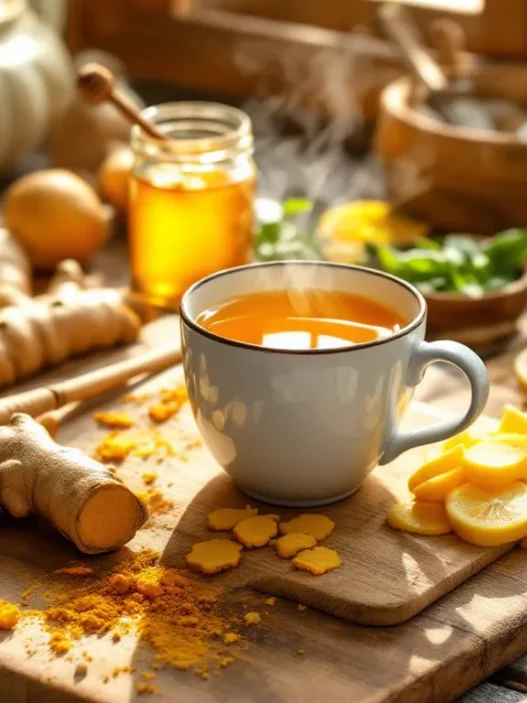
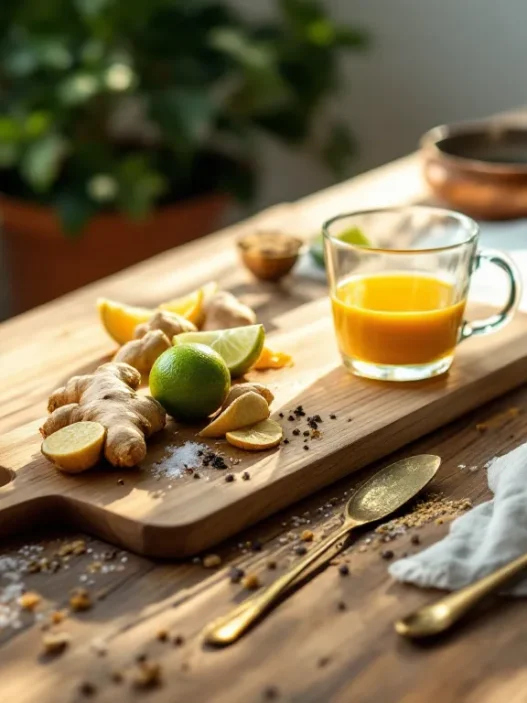
Ginger is a star here. It’s warm and penetrating, which helps break up stagnation and supports your agni, your digestive and metabolic fire. When agni is strong, your body processes hormonal fluctuations more smoothly. When agni is weak, those fluctuations feel like a tidal wave.
Turmeric is another ally, bringing its warm, slightly bitter qualities to help clear excess heat and support healthy tissue response. A pinch of turmeric in warm milk with a little ghee and black pepper is one of those Ayurvedic remedies that’s simple enough to actually do every day.
I’d also mention magnesium-rich foods like cooked leafy greens and pumpkin seeds. While magnesium isn’t a traditional Ayurvedic category, it supports muscle relaxation in a way that aligns perfectly with Ayurveda’s goal of bringing smoothness and stability to cramping tissue.
Do this today: Sip warm ginger tea (fresh ginger slices steeped for 10 minutes) twice during the premenstrual days. Takes two minutes to prepare. Great for Vata and Kapha types. Pitta types with a lot of internal heat might prefer a milder brew, use less ginger and add a bit of fennel.
How to Manage PMS Mood Swings Without Medication
Mood swings during PMS aren’t a character flaw, I want to be really clear about that. In Ayurveda, the mind and body aren’t separate systems. When your doshas shift, your emotional landscape shifts with them.
Vata imbalance brings anxiety, fear, and overwhelm. Pitta imbalance brings anger, frustration, and a critical inner voice. Kapha imbalance brings sadness, withdrawal, and emotional heaviness. These aren’t random. They’re predictable, and that’s actually empowering because it means you can work with them.
The connection to agni matters here too. When your metabolic fire is sluggish, undigested residue, what Ayurveda calls ama, can accumulate. Ama doesn’t just affect your gut. It creates a kind of mental fog, emotional stickiness, and dullness that makes everything feel harder than it is. Signs of ama include a coated tongue in the morning, sluggish digestion, a heavy or “blah” feeling, and difficulty thinking clearly.
Stress-Reducing Practices That Help
The nervous system and Prana, your life force energy, are deeply connected. When Prana flows steadily, you feel grounded and emotionally resilient. When it’s scattered (classic Vata aggravation), every small annoyance feels enormous.
Breathwork is one of the fastest ways to stabilize Prana. And it doesn’t need to be complicated. I often practice alternate nostril breathing for just five minutes in the evening during my premenstrual week. It’s balancing for all three doshas and has a calming quality that settles the mobile, subtle energy of Vata without suppressing anything.
Time in nature is another powerful tool. Walking outside, especially near water or among trees, brings in stable, cool, smooth qualities that counteract the internal turbulence of PMS. Even ten minutes makes a difference, and I genuinely mean that.
Do this today: Try five minutes of slow, even breathing (inhale for a count of four, exhale for a count of six) before bed. This works for all body types and takes no equipment. Not recommended as a replacement for professional support if you’re experiencing severe emotional distress.
The Role of Sleep and Hormonal Balance
Sleep is where your body does its deepest repair work, and in Ayurvedic terms, it’s where Ojas gets replenished. Ojas is your deep vitality reserve, the thing that gives you resilience, immunity, and emotional steadiness. When Ojas is depleted (from poor sleep, stress, overwork, or too much stimulation), PMS hits harder.
Tejas, the subtle fire of clarity and discernment, also depends on rest. Without it, you lose the ability to see your emotions clearly, and everything feels reactive.
Ayurvedic timing is relevant here. The ideal window for sleep is before 10 p.m., when the Kapha period of the evening (6–10 p.m.) naturally supports heaviness and drowsiness. If you push past 10, Pitta energy kicks in, you get that second wind, and falling asleep becomes harder.
During the premenstrual phase, I try to honor this rhythm more carefully. Even shifting bedtime 20 minutes earlier can make a noticeable difference in how emotionally steady I feel the next day.
Do this today: Move your bedtime 15–20 minutes earlier for the five days before your period. This is especially important for Vata and Pitta types, who tend to stay up late and pay for it in mood instability. Kapha types generally sleep well but might benefit from waking at a consistent time to avoid morning heaviness.
Taming Sugar Cravings During Your Cycle
Let’s talk about the sugar cravings, because they’re real and they’re relentless for a lot of us.
What Causes PMS Cravings
In Ayurveda, cravings aren’t just about willpower. They’re your body’s (sometimes confused) attempt to find balance. The sweet taste is grounding, nourishing, and building, qualities associated with Kapha and with Ojas. When your body feels depleted, dry, light, or scattered (Vata aggravation), it reaches for sweetness because it’s looking for those heavy, smooth, stable qualities.
The problem is that refined sugar delivers a quick hit of sweetness without any real nourishment. It spikes your blood sugar, briefly satisfies the craving, then drops you into a crash that makes the craving come back even stronger. And from an Ayurvedic standpoint, processed sugar weakens agni and creates ama, exactly what you don’t want during an already vulnerable time.
Pitta types might crave sugar because of the cooling quality of sweet taste, their internal heat seeks relief. Kapha types might crave it out of emotional comfort-seeking, which can compound the heaviness they already feel.
Smarter Swaps and Blood Sugar Strategies
The Ayurvedic approach isn’t to deny the craving but to satisfy it intelligently. Your body wants the sweet taste? Give it the sweet taste, through whole, nourishing foods.
Cooked sweet potatoes, dates, warm milk with a pinch of cardamom, stewed apples with cinnamon, and ripe bananas all deliver natural sweetness plus the heavy, oily, warm qualities that build Ojas rather than depleting it.
Eating your largest meal at midday, when agni is naturally strongest (this is the Pitta time of day, roughly 10 a.m.–2 p.m.), helps your body absorb nutrients fully and reduces the blood sugar dips that trigger afternoon cravings. This is one of those Ayurvedic timing principles that sounds simple but genuinely changes the game.
Another thing I’ve found helpful: having a small, warm, nourishing snack around 3–4 p.m. if cravings tend to peak then. A few soaked almonds with a date, or a cup of warm milk with turmeric. It’s preemptive, not reactive.
Do this today: Replace your afternoon sugar hit with a warm, naturally sweet alternative, try stewed apple with cinnamon and a drizzle of ghee. Takes about 10 minutes to prepare. Works beautifully for Vata and Pitta types. Kapha types might prefer a lighter option like warm spiced herbal tea with a small amount of raw honey (added after the tea cools slightly).
Lifestyle Habits That Ease PMS Month After Month
The remedies for PMS that make the biggest difference aren’t the ones you scramble for when symptoms hit. They’re the quiet, consistent habits you carry through the whole month.
In Ayurveda, this is called Dinacharya, your ideal daily rhythm. And it’s not about perfection. It’s about creating enough regularity that your body doesn’t have to work so hard to stay balanced.
Two daily habits I’ve found especially powerful for PMS:
Morning self-massage (abhyanga). Even a quick five-minute rubdown with warm sesame oil before your shower calms Vata, nourishes the skin, and settles the nervous system. The warm, oily, smooth qualities sink in and create a buffer against the dry, rough, mobile qualities that aggravate PMS. I don’t do this perfectly every day, but during the premenstrual week, it’s non-negotiable for me.
Consistent meal timing. Eating at roughly the same times each day strengthens agni in a way that nothing else quite replicates. When agni is strong and steady, it processes hormonal shifts more efficiently, creates less ama, and supports the production of Ojas. Three meals, roughly the same time each day, with lunch as the main event.
Now for the personalized part, because this is where Ayurveda really shines.
If you’re more Vata: Your PMS likely features anxiety, irregular cramps, insomnia, and feeling scattered. Favor warmth, routine, and grounding foods (root vegetables, warm soups, ghee). Avoid raw salads, cold smoothies, and skipping meals. Try going to bed by 9:30 p.m. with a cup of warm spiced milk. Takes five minutes to prepare. Best for Vata-dominant people who feel wired and depleted. Not ideal if you have a dairy sensitivity, use oat milk instead.
If you’re more Pitta: Your PMS might show up as anger, headaches, acne, and loose stools. Favor cooling, slightly bitter and sweet foods (cucumber, coconut, leafy greens, sweet fruits). Avoid spicy food, alcohol, and overworking. Try a 10-minute walk in cool evening air. Great for Pitta types who feel overheated and frustrated. Not a substitute for professional support if headaches are severe or persistent.
If you’re more Kapha: Your PMS probably involves bloating, water retention, sadness, and lethargy. Favor light, warm, pungent foods (steamed vegetables, warming spices like black pepper and cinnamon, lighter grains). Avoid heavy dairy, fried foods, and oversleeping. Try 15 minutes of brisk walking in the morning to get things moving. Best for Kapha-dominant people who feel stuck and emotionally heavy. If lethargy is extreme or persistent, consider consulting an Ayurvedic practitioner.
For the seasonal adjustment piece, what Ayurveda calls Ritucharya, here’s what I’ve noticed in my own practice:
During cold, dry months (late fall and winter), Vata is naturally higher in the environment. PMS symptoms tend to be more Vata-flavored: more cramping, more anxiety, more dryness. This is the time to increase warm oils, warm foods, and early bedtimes.
During hot months, Pitta accumulates, and PMS might skew toward irritability, skin flare-ups, and heat. Cooling foods and moonlit walks (I’m serious, the cool evening air is medicine) become more important.
During damp, heavy spring months, Kapha builds, and bloating or emotional heaviness might dominate. Lighter, spicier meals and more movement help counterbalance.
Do this today: Pick one daily habit, abhyanga or consistent meal timing, and commit to it for the next two weeks. Track how your next cycle feels. Takes 5–15 minutes per day depending on which habit you choose. Works for all dosha types.
When to Seek Professional Help for Severe PMS
I want to be honest with you: Ayurveda is a powerful framework, and these natural remedies for PMS can genuinely shift your experience over time. But some situations call for professional guidance.
If your symptoms are so intense that they interfere with work, relationships, or daily functioning, if cramps leave you unable to get out of bed, or mood swings feel more like a free fall than a fluctuation, that’s worth bringing to a qualified practitioner. This might be an Ayurvedic doctor, a naturopath, a gynecologist, or ideally a combination.
Severe PMS (sometimes called PMDD in modern medicine) can involve deep-seated imbalances in Vata and Pitta that benefit from personalized herbal protocols, dietary adjustments, and sometimes Panchakarma (Ayurvedic cleansing therapies) that go beyond what a general article can offer.
This is general education, not medical advice. If you’re pregnant, managing a condition, or taking medication, check with a qualified professional.
Do this today: If your PMS consistently disrupts your life, make an appointment with a practitioner you trust, someone who listens and takes your symptoms seriously. This applies to all body types. There’s no time estimate for healing, but getting the right support is always the first step.
Conclusion
PMS doesn’t have to be something you just white-knuckle through every month. When you start to understand why your body responds the way it does, through the lens of your unique constitution, your digestive fire, and the qualities that are building or depleting in your system, the remedies stop feeling like guesswork and start feeling like a conversation with yourself.
What I love about the Ayurvedic approach is that it meets you where you are. You don’t need to overhaul your life overnight. One warm oil massage. One earlier bedtime. One cup of ginger tea instead of reaching for the candy bar. These small, quality-matched shifts accumulate, and over a few cycles, you might be surprised at how different things feel.
Your body already knows how to find balance. Sometimes it just needs a little help remembering.
I’d love to hear from you, what’s the one PMS symptom that disrupts your life the most, and have you tried addressing it through the qualities you bring into your daily routine? Share in the comments or pass this along to someone who could use a gentler approach to their cycle.