

Why Your Brain Struggles to Switch Off After Work
From an Ayurvedic perspective, the inability to shift from work mode to rest mode comes down to excess Vata, the principle of movement, air, and change. During a typical workday, you’re stimulating Vata constantly: rapid thinking, multitasking, screen use, quick decisions. All of that mobile, light, dry, subtle energy builds up.
By the time evening arrives, your system is still spinning. Vata has a quality called chala, restlessness, mobility, and when it’s aggravated, it doesn’t just stop because you’ve closed your browser tabs. It keeps cycling through your thoughts, your muscles, your breath.
Pitta types experience this differently. If you run warm and intense, work stress tends to linger as irritability or a sharp inner edge. You might snap at someone over dinner or feel an urgency to keep doing even when there’s nothing left to do. That’s the hot, sharp quality of Pitta still firing.
Kapha types may feel it as heaviness or emotional dullness, a foggy, stuck sensation where you’re not really working or resting. You’re just… there. That’s the heavy, stable quality of Kapha turning stagnant without a clear transition.
The point is: your brain isn’t broken. Your energy just hasn’t received a signal to shift gears.
Do this today: Notice which pattern, restless thoughts, sharp irritability, or foggy heaviness, you most recognize at the end of a workday. That observation alone takes 30 seconds and it’s the starting point for everything that follows. This works for anyone, regardless of experience with Ayurveda.
The Hidden Cost of Carrying Work Stress Into Your Evening

Here’s where it gets deeper. When stress lingers into the evening, it doesn’t just affect your mood, it weakens your agni, your digestive and metabolic intelligence. Agni is what allows you to process everything: food, emotions, the events of your day.
When agni is disrupted by unresolved tension, you start producing ama, which you can think of as undigested residue. Not just from food, but from experience. Ama shows up as that heavy feeling after dinner even when you didn’t overeat, a coated tongue in the morning, sluggish thinking, or waking up tired even though a full night’s sleep.
Over time, carrying work stress into your evenings chips away at what Ayurveda calls ojas, your deep reserves of vitality and immune resilience. It dulls tejas, the metabolic clarity that helps you feel sharp and purposeful. And it scatters prana, the life force that keeps your nervous system steady and your breath calm.
So this isn’t just about feeling more relaxed at night. It’s about protecting something precious, your capacity to heal, think clearly, and feel genuinely alive.
Do this today: Pay attention to how you digest your evening meal tonight. If you notice heaviness, bloating, or a dull feeling afterward, that’s a sign ama may be building from unprocessed stress. Takes one meal to observe. Relevant for everyone, especially if you’ve been running on adrenaline.
Create a Consistent Shutdown Ritual
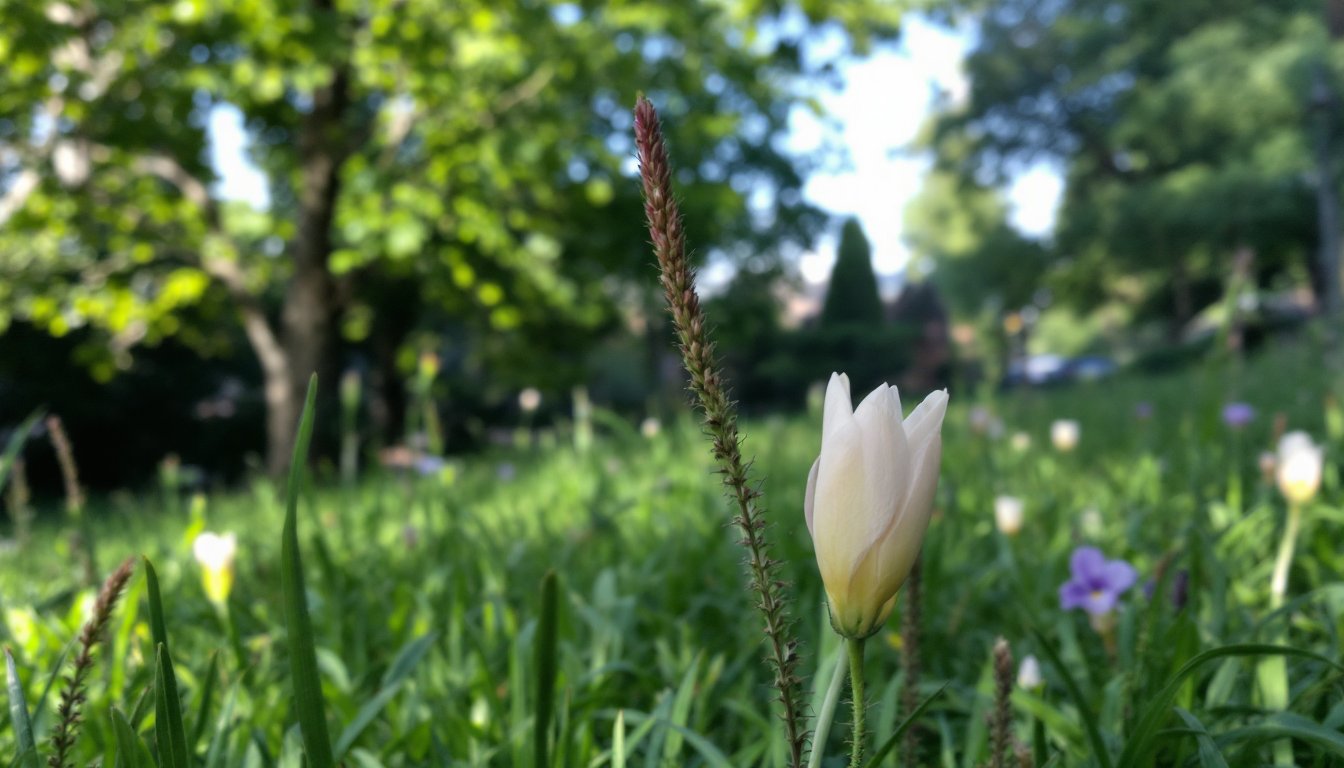
In Ayurveda, transitions matter enormously. The junction between day and night, called sandhya kala, is considered a sensitive time when your body is naturally ready to shift. But it needs a cue.
A shutdown ritual is that cue. It doesn’t need to be elaborate. It just needs to be consistent, because repetition is what calms Vata’s mobile, erratic quality. You’re replacing the scattered energy of the workday with something stable and grounding.
I personally close my laptop, wash my hands with warm water, and spend about three minutes just standing by a window. That’s it. Warm water has a smooth, heavy quality that counters the dry lightness of screen work. The pause by the window gives my eyes a chance to soften after hours of sharp focus.
The key is choosing something sensory, touch, warmth, a change of space, rather than mental. Your mind has been working hard all day. The ritual works because it speaks to your body instead.
You might also try lighting a candle, changing your clothes, or stepping outside briefly. Any of these create a clear boundary your nervous system can recognize.
Do this today: Pick one small sensory action to mark the end of your workday. Try it for three days in a row. Takes about 2–5 minutes. Great for Vata types especially, but genuinely helpful for everyone. Not ideal if you’re looking for a purely mental exercise, this one’s about the body.
Use Physical Movement as a Stress Buffer
Movement between work and rest acts like a bridge. It gives all that accumulated Vata energy somewhere to go instead of looping through your mind.
But here’s the nuance: the type of movement matters. Ayurveda uses the principle of opposites to restore balance. If your day was fast, sharp, and intense (high Pitta), you don’t want an aggressive workout, that just adds more heat and sharpness. A slow walk, some gentle stretching, or even swaying to music would be the cooling, smooth counterbalance.
If your day was heavy and sedentary (Kapha stagnation), something with a bit more vigor, a brisk 15-minute walk or some rhythmic movement, can break up that dullness and get prana flowing again.
And if you’re wired and scattered (Vata excess), slow, grounding movement is your friend. Think steady walking with awareness of your feet on the ground, or gentle yoga with longer holds. The stable, heavy quality of deliberate movement directly counters Vata’s lightness.
The goal isn’t exercise for fitness. It’s movement as a metabolic and emotional reset, a way to digest the day before you sit down to digest your dinner.
Do this today: Take a 10–15 minute walk after work, matching your pace to what your day needed as a counterbalance. Good for all types. Skip high-intensity exercise if you’re already feeling depleted or overheated.
Set Boundaries With Technology and Notifications
Screens are Vata fuel. They’re light-emitting, fast-moving, constantly changing, all qualities that keep the mobile, subtle, dry aspects of Vata in overdrive. Every notification after work hours is like throwing kindling on a fire you’re trying to let die down.
From an Ayurvedic standpoint, the evening is when your system naturally wants to move toward heaviness, coolness, and stability. Screens work against every one of those qualities. That’s why you can feel exhausted and wired at the same time, your body is ready for rest, but your senses are still being stimulated.
Try setting a specific time, even 30 minutes before bed, where you step away from your phone. If going fully screen-free feels impossible, consider at least silencing work notifications after a certain hour. You’re not being lazy. You’re protecting your agni from having to process more input when it’s already winding down for the night.
Practice a Sensory Reset to Signal Rest Mode
Once you’ve put screens aside, give your senses something calming to land on. Ayurveda places great importance on what we take in through our five senses, it’s all “food” for your system.
Warm oil on your feet before bed is a classic Ayurvedic practice, and for good reason. The oily, warm, smooth qualities directly oppose the dry, cool, rough qualities that accumulate from a stressful day. Even two minutes of rubbing warm sesame oil on the soles of your feet can settle the nervous system in a way that feels almost immediate.
You might also try soft music, a warm drink (not caffeinated), or the smell of something grounding like sandalwood or vetiver. The idea is to give your senses a clear, gentle message: we’re shifting now.
Do this today: Silence work notifications one hour before bed and choose one sensory reset, warm oil on feet, a cup of warm spiced milk, or soft music. Takes about 5–10 minutes. Wonderful for Vata and Pitta types. Kapha types might prefer a warm herbal tea over oil, to avoid adding too much heaviness.
Reframe Unfinished Tasks Before You Log Off
This one’s subtle but powerful. A huge part of why work follows us home is that the mind clings to what’s incomplete. In Ayurveda, this is Vata’s tendency to fixate when it’s out of balance, the subtle, mobile quality of thought keeps circling around unresolved things.
Before you log off, take two minutes to write down what’s unfinished and when you’ll return to it. That’s it. You’re not solving anything. You’re giving your mind permission to release it by assigning it a time and place in the future.
This small act supports agni, actually, because mental digestion works much like physical digestion. When you “park” an incomplete task consciously, you’re allowing your system to stop churning on it. Less mental churning means less ama accumulating from unprocessed thoughts.
I’ve noticed that when I skip this step, my dreams are chaotic and I wake up with that dull, heavy, coated-tongue feeling that signals ama. When I do it, my evenings feel genuinely lighter.
Do this today: Spend 2 minutes before closing your laptop writing down incomplete tasks and when you’ll handle them. Works for everyone. Especially helpful for Vata types (racing thoughts) and Pitta types (need to feel in control). Less critical for Kapha types, who tend to let go more naturally but may benefit from the structure.
Design Your Environment to Support the Shift
Your surroundings speak to your nervous system more than you realize. Ayurveda treats environment as a form of vihara, lifestyle medicine. The qualities around you directly influence the qualities inside you.
If your living space after work is cluttered, brightly lit, and noisy, those sharp, mobile, light qualities keep Vata and Pitta elevated. You can’t settle into rest if your environment is still broadcasting “go.”
Small changes go a long way. Dimming the lights in the evening supports the natural transition into Kapha time (roughly 6–10 p.m.), when the body craves heaviness, softness, and stability. A warm-toned lamp instead of overhead fluorescents makes a surprising difference. Keeping your bedroom or rest space tidy gives the mind less to process.
You might also consider the temperature. A slightly cool room with warm blankets combines the cool and heavy qualities that support deep rest, while avoiding the hot, sharp quality that keeps Pitta types awake.
Do this today: Dim your lights after 7 p.m. and tidy one surface in your evening space. Takes 5 minutes. This is for everyone, but Pitta types will especially notice the difference with lower lighting. Not a substitute for deeper practices if your stress is significant.
What to Do When Stress Still Follows You Home
Sometimes you do everything right and the stress still comes. That’s okay. Ayurveda doesn’t promise perfection, it offers a way to work with what’s present.
When stress is persistent, it often points to deeper Vata imbalance or depleted ojas. Your reserves are low, so even normal-level stress feels overwhelming. In these moments, the best response is nourishment, not effort.
A warm, slightly oily, easy-to-digest meal in the evening supports agni without overtaxing it. Think cooked grains with ghee, a simple soup, or stewed vegetables. Heavy, warm, oily, smooth, these are the qualities that rebuild what stress has stripped away.
If you’re more Vata: Your evenings feel wired, anxious, scattered. Favor warm, oily, grounding foods and environments. A consistent bedtime (ideally by 10 p.m. during Kapha time) is your anchor. Try warm sesame oil on your feet and avoid cold, raw, or dry foods at night. Steer clear of stimulating conversations or intense media after 8 p.m.
If you’re more Pitta: You bring intensity and irritability home. Favor cooling, slightly sweet foods in the evening, rice with coconut, sweet fruits, or warm milk with a pinch of cardamom. Spend time in nature or near water if possible. Avoid alcohol, spicy food, and competitive activities at night, they add fuel to fire.
If you’re more Kapha: You carry stress as emotional heaviness or lethargy. Favor light, warm, slightly spiced meals, a clear soup with ginger, steamed vegetables with a squeeze of lemon. Some gentle movement after dinner helps. Avoid oversleeping, heavy desserts, or binge-watching as comfort, these increase the dull, heavy quality that’s already in excess.
Do this today: Identify your dominant pattern from the three above and try the evening meal suggestion tonight. Takes no extra time, just a different choice. If your stress feels unmanageable or has lasted more than a few weeks, consider working with a practitioner.
Conclusion
The transition from work to rest isn’t a luxury, it’s a daily act of care that protects your digestion, your vitality, and your capacity to actually enjoy your life outside of work. And it doesn’t require an hour-long evening routine or a complete lifestyle overhaul.
Start with one thing. A shutdown ritual. A walk. A warm meal eaten without your phone. Let that one thing become familiar, and then add another when it feels right. Ayurveda isn’t about doing everything perfectly, it’s about paying attention to what your body and mind are telling you, and responding with kindness.
I’d love to hear what you try. Which of these practices feels most doable for you right now? Drop a thought in the comments or share this with someone who could use a calmer evening.