





Why Minor Cuts and Scrapes Deserve Proper Attention
It’s tempting to brush off a small cut. Slap a bandage on it, forget about it, move on. But from an Ayurvedic perspective, even a minor wound creates a disruption in your body’s natural intelligence, and ignoring that disruption can slow healing or invite complications you didn’t expect.
Here’s how Ayurveda sees it. Your skin is governed primarily by Bhrajaka Pitta, the aspect of Pitta dosha that lives in the skin and manages its luster, temperature, and ability to process what touches it. When you get a cut, that local Pitta flares, you’ll notice heat, redness, maybe a slight throbbing. That’s the sharp and hot qualities of Pitta doing their job, rushing metabolic intelligence to the site of injury.
But Vata gets involved too. A wound is essentially a break, a gap, and Vata, with its mobile, dry, and rough qualities, governs all movement and all spaces in the body. If Vata gets aggravated at the wound site, healing slows. You might notice the skin around the cut feeling dry, cracked, or unusually sensitive. The edges might not come together smoothly.
And Kapha? Kapha is your body’s builder. Its heavy, cool, smooth, and oily qualities are exactly what your tissues need to knit back together. Healthy Kapha response brings moisture, new tissue growth, and that satisfying feeling of a wound closing up nicely.
So all three doshas are at work the moment your skin breaks. When they’re balanced, healing is swift and clean. When they’re not, say, if your digestion is already sluggish or your vitality is low, even a small scrape can linger.
Do this today: Next time you get a minor cut, pause for 30 seconds before reaching for anything. Notice the qualities present, is there heat? Dryness? Swelling? This simple awareness helps you choose the right remedy. Takes just a moment, and it’s for anyone who tends to rush through self-care.
Essential Steps for Cleaning and Preparing a Wound
Before you reach for any remedy, the wound needs to be clean. This is where your body’s Agni, its digestive and metabolic intelligence, becomes relevant in a way you might not expect.
Agni doesn’t just work in your stomach. Every tissue in your body has its own metabolic fire, including your skin. When a cut happens, the local tissue Agni activates to break down damaged cells, clear debris, and begin repair. But if that process gets overwhelmed, by dirt, by bacteria, by dried blood sitting in the wound, you get ama, which in this context means unprocessed residue that blocks healing. Signs of ama in a wound? Unusual cloudiness, a dull ache that doesn’t improve, sluggish scabbing, or skin that looks pale and lifeless around the injury.
So cleaning is really about giving your tissue Agni a clear workspace.
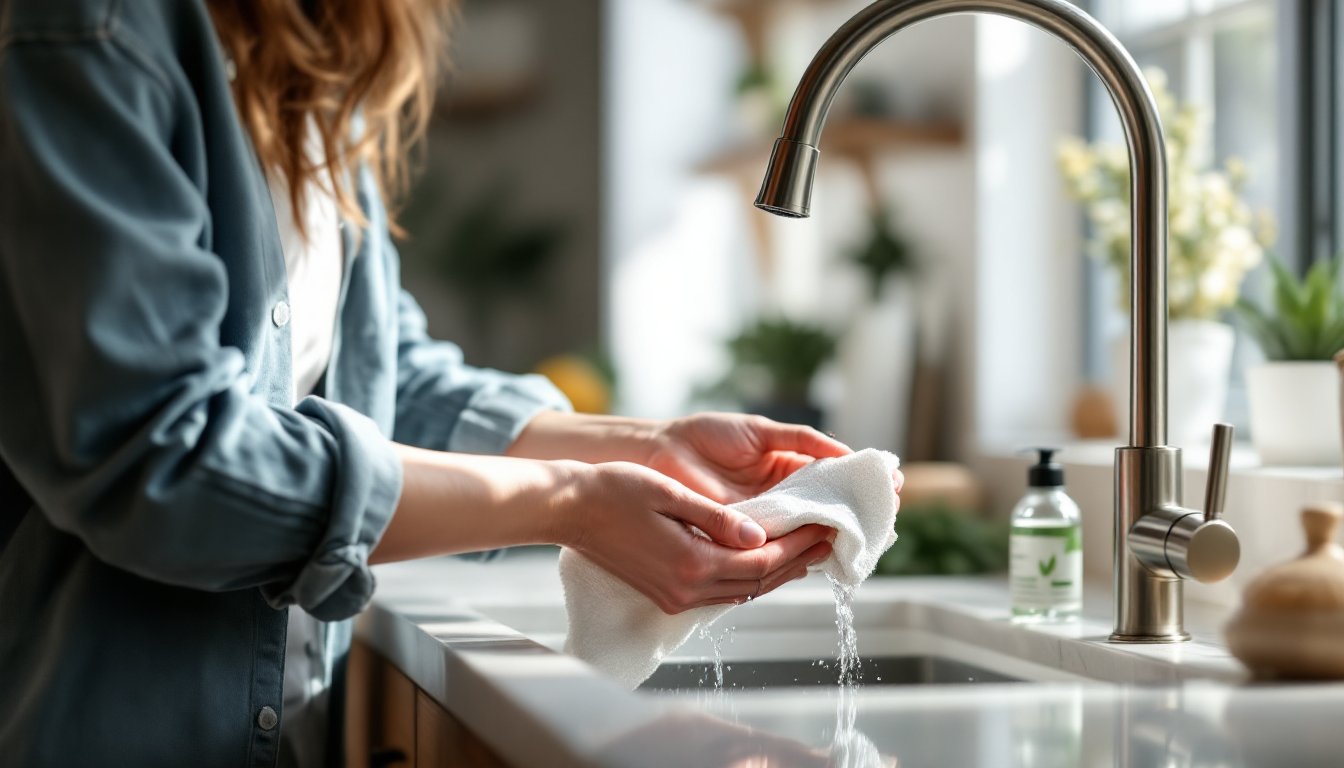
Start with cool to lukewarm running water. Let it flow over the wound for a minute or two. Cool water has the qualities that help here, it’s calming to aggravated Pitta (that initial heat and sharpness) without being so cold that it constricts Vata and stiffens the tissue. Avoid water that’s very hot or icy.
If the scrape has visible dirt or grit, you can use a soft, clean cloth dampened with a mild saline solution. The subtle quality of salt water helps draw out impurities without being harsh. Be gentle, rough scrubbing damages the fragile new cells already forming.
Pat dry with a clean cloth rather than rubbing. Rubbing adds friction (a rough, mobile quality) that disturbs Vata right at the wound’s edge, which is the last thing you want when your body is trying to stabilize and close.
Do this today: Clean any fresh minor wound with lukewarm running water for at least 60 seconds, then pat dry gently. Takes about 2 minutes. This is for everyone, every constitution benefits from starting with a clean, calm wound bed.
Effective Natural Remedies for Healing Cuts and Scrapes
Now we get to the part most people are looking for, what to actually put on a cut. But rather than just giving you a list, I want you to understand why certain natural remedies work through the lens of Ayurvedic qualities. Because once you understand the principle, you can adapt to whatever you have on hand.
The core Ayurvedic principle at work here is “opposites balance.” A fresh wound is typically hot (Pitta inflammation), dry at the edges (Vata disruption), and open (a break in the stable, smooth Kapha tissue). So the ideal remedy brings cooling, moistening, smooth, and stable qualities to counterbalance.
This is also about supporting your vitality triad. Good wound care protects Ojas, your deep tissue resilience and immune strength. It preserves Tejas, the subtle metabolic spark that drives clean, efficient healing. And it supports Prana, because even a small wound creates a subtle stress on your nervous system, and calming that stress helps everything else work better.
Honey, Aloe Vera, and Other Time-Tested Options
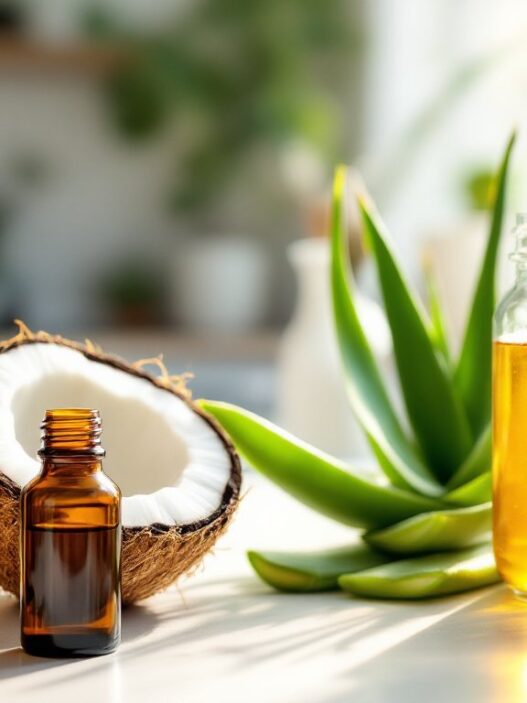
Raw honey is one of the finest wound-care substances in the Ayurvedic tradition. Its qualities are fascinating, it’s subtly warming yet acts as a gentle cleanser. It’s heavy and smooth enough to coat and protect the wound, but its subtle and sharp qualities mean it penetrates tissue and actively discourages bacterial growth. It also helps draw out ama from the wound site. In Ayurvedic terms, honey supports local Agni without aggravating Pitta. Try applying a thin layer of raw, unprocessed honey directly to a clean, minor wound.
Aloe vera gel, fresh from the leaf if you can, brings cool, smooth, oily qualities that are perfect for calming Pitta-type inflammation. If your wound is red, hot, and stinging, aloe is your friend. It creates a moist environment that supports Kapha’s rebuilding work while soothing Vata’s dryness.
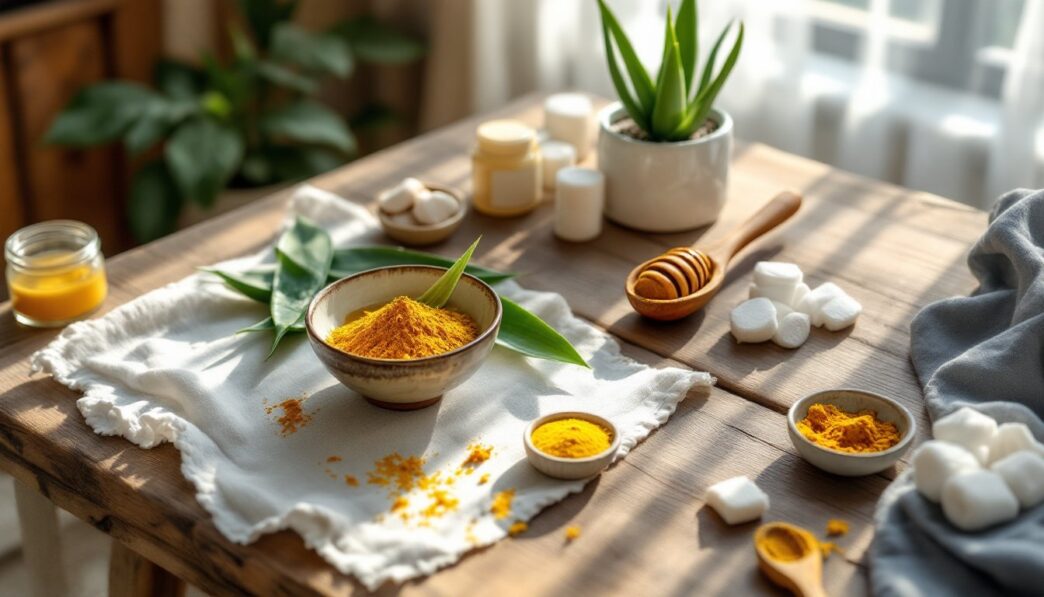
Turmeric is the classic Ayurvedic first-aid herb, and with good reason. Its qualities are warm, light, and dry, with a sharp, penetrating nature. A small pinch of turmeric powder mixed with a drop of coconut oil or ghee applied to a clean wound supports tissue Agni, helps clear ama, and promotes clean tissue formation. The coconut oil or ghee adds the oily, smooth quality that prevents turmeric’s dryness from aggravating Vata at the wound.
Coconut oil on its own is cooling, smooth, and nourishing, wonderful for scrapes that are more dry and rough than hot and inflamed. And ghee (clarified butter) is considered deeply nourishing to all seven tissue layers. A thin application of ghee over a healing wound supports Ojas directly and keeps the skin soft as it repairs.
Do this today: For a fresh, clean minor wound, apply a thin layer of raw honey or aloe vera gel. For a wound that’s already scabbing and feels tight or dry, try a tiny dab of ghee or coconut oil. Takes under a minute. Best for minor surface cuts and scrapes, not for deep or heavily bleeding wounds.
How to Protect the Wound and Speed Up Recovery
Once you’ve cleaned and applied a remedy, the next step is protection, and this is where your daily habits and constitution come into play.
Covering a wound with a clean, breathable bandage creates a stable, smooth microenvironment that supports Kapha’s tissue-building work. It also reduces the mobile, dry air exposure that aggravates Vata. Change the bandage daily, or whenever it gets damp, reapplying your chosen remedy each time.
But healing isn’t just about what you put on the outside. What you eat and how you live while your body repairs matters tremendously.
Food is medicine in Ayurveda, always. While a wound is healing, favor foods that are warm, lightly cooked, and easy to digest. Think kitchari, warm soups, stewed vegetables, and gentle spices like cumin, fennel, and a touch of fresh ginger. These foods support your central Agni, which in turn fuels the tissue-level Agni doing the actual repair work. Avoid heavy, cold, or overly processed foods that tax digestion and create ama, because ama anywhere in your system can slow wound healing.
Sleep is the other quiet powerhouse here. The body does its deepest tissue repair during sleep, particularly in the Kapha time of night (roughly 6 PM to 10 PM into the early morning). Getting to bed before 10 PM, even just while you’re healing, can make a noticeable difference. This connects to your body’s natural dinacharya (daily rhythm). Your tissues regenerate most efficiently when your sleep pattern aligns with nature’s cycles.
Hydration matters too. Warm or room-temperature water sipped throughout the day keeps your tissues moist from the inside, supporting the smooth and oily qualities your wound needs.
And here’s something people overlook: stress slows healing. When Prana, your life force energy, is scattered by anxiety or rushing, less of that vital intelligence reaches the wound site. Even five minutes of slow breathing during your day sends a quiet signal to your nervous system that it’s safe to prioritize repair.
Do this today: Cover your wound with a breathable bandage, eat one warm and easy-to-digest meal today, and aim for sleep before 10 PM tonight. Takes no extra time in your day, just gentle adjustments. For everyone, especially if you’ve noticed your wounds tend to heal slowly.
Now, let me offer some guidance tailored to your constitution, because not everyone heals the same way.
If you’re more Vata: Your wounds may heal slowly, with dry, cracked edges and a tendency to scar. You benefit most from oily, warm, stable remedies, ghee and coconut oil are your allies. Eat warm, grounding foods and avoid skipping meals while healing. Try to reduce excess movement and cold exposure. One thing to consider avoiding: raw salads and cold smoothies while a wound is actively healing, since these increase the dry, cold, light qualities that slow Vata-type repair.
Do this today: Apply a thin layer of ghee to your healing wound and have a warm, nourishing dinner tonight. Takes 5 minutes total. Especially helpful if you tend toward dry skin or feel cold easily.
If you’re more Pitta: Your wounds often look angrier, more red, more hot, more inflamed, but you typically heal fast once the inflammation calms. Cooling remedies like aloe vera and coconut oil are ideal. Favor cooling foods, sweet fruits, leafy greens, and mild spices. Avoid direct sun on the wound, and try not to over-clean or over-treat it (Pitta types can be intense about fixing things). One thing to consider avoiding: sharp, acidic, or very spicy foods while healing, as these increase the hot and sharp qualities that feed inflammation.
Do this today: Apply fresh aloe vera gel and eat something cooling for dinner, maybe rice with steamed greens. Takes 5 minutes. Especially helpful if your wound looks red and feels warm to the touch.
If you’re more Kapha: Your wounds might heal slowly in a different way, with excess moisture, swelling, or a tendency to feel heavy and stagnant around the site. Honey and turmeric are your best friends, because their light, sharp, and subtly warming qualities counteract Kapha’s heavy, cool, dull tendencies. Keep the wound clean and dry (not overly moist). Move your body gently, a short walk helps circulate Prana to the wound. One thing to consider avoiding: excessive dairy, heavy sweets, or staying sedentary while healing, as these increase the heavy, dull qualities that slow Kapha-type repair.
Do this today: Apply raw honey with a pinch of turmeric to your wound and take a gentle 10-minute walk. Especially helpful if you notice slow healing with puffiness or excess moisture around the wound.
When to Skip Home Remedies and See a Doctor
I love natural first aid. I reach for it daily. But I also believe in honesty about its limits.
Not every wound belongs in the home-remedy category. If a cut is deep enough that you can see tissue beneath the skin, if it won’t stop bleeding after 10 to 15 minutes of steady pressure, if it was caused by a rusty or dirty object, or if you notice increasing redness, warmth, swelling, or pus in the days after, please see a healthcare professional. These signs suggest the wound has moved beyond what gentle home care can manage.
From an Ayurvedic perspective, these are signs that ama is accumulating faster than your tissue Agni can clear it, or that Pitta has escalated into a deeper inflammatory response that needs professional support. There’s no failure in recognizing that. Ayurveda has always worked alongside other systems of care when the situation calls for it.
Also consider your overall health picture. If your Ojas, your deep vitality and immune resilience, is already low (from illness, poor sleep, chronic stress, or recent surgery), even a minor wound may need more attention than usual.
One note on seasonal adjustment (this connects to Ritucharya, the Ayurvedic wisdom of living in rhythm with the seasons): wounds tend to heal differently depending on the time of year. In hot, humid summer months, Pitta is naturally higher, so cuts may inflame more easily, favor cooling remedies and keep wounds dry. In cold, dry winter months, Vata dominates, and wounds may crack or dry out, use more oily, warming protectants like ghee. In the damp, heavy spring season, Kapha accumulates, and wounds may get sluggish, this is when honey and turmeric really shine. Adjusting your wound care to the season isn’t complicated, but it can meaningfully improve healing.
Do this today: Honestly assess your wound. If it’s minor, shallow, and manageable, proceed with confidence using the guidance in this text. If anything feels off, see a professional. Takes 1 minute of honest observation. For everyone, no exceptions.
Conclusion
A minor cut is a small thing. But how you respond to it, with presence, with the right qualities, with an understanding of your own body, can be a quiet act of self-respect. Ayurveda teaches that healing isn’t just about the wound closing. It’s about your whole system feeling supported while it does its work.
You don’t need a cabinet full of expensive products. A jar of raw honey, a fresh aloe leaf, a little turmeric, some ghee, these simple things, chosen wisely for your constitution and the season, can carry you through most of life’s minor scrapes.
I’d love to hear from you. What natural remedies do you keep on hand for small wounds? Have you noticed differences in how you heal depending on the season or your stress level? Drop a thought in the comments or share this with someone who might appreciate a gentler approach to first aid.
What small, everyday act of caring for yourself have you been overlooking?