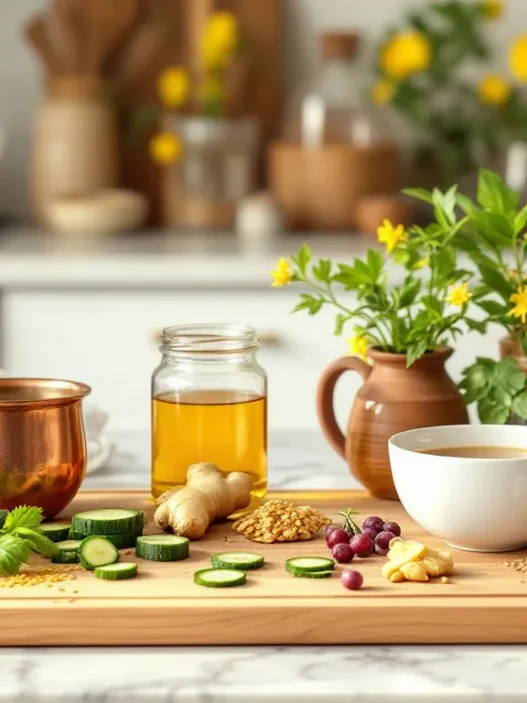

What Causes an Upset Stomach?
From an Ayurvedic perspective, almost every upset stomach traces back to one thing: weakened digestive fire, or what’s called agni. Think of agni as the intelligence behind your digestion, not just breaking food down, but transforming it into nourishment your body can actually use.
When agni gets disrupted, by eating too late, combining incompatible foods, stress, or simply eating more than your body can process, undigested material starts to accumulate. Ayurveda calls this residue ama, and it’s heavy, sticky, and dull. You know ama is present when you feel that sluggish coating on your tongue in the morning, or when bloating lingers hours after a meal.
Now, the specific way an upset stomach shows up depends a lot on your constitution. If you tend toward a Vata imbalance, meaning your system runs dry, light, and mobile, you’re more likely to experience gas, irregular digestion, and cramping. The cold and rough qualities of excess Vata literally create erratic movement in your gut.
If Pitta is involved, you’ll notice more heat: acid reflux, burning sensations, loose stools, and sharp discomfort. That’s the hot, sharp, and oily qualities of Pitta flaring up in your digestive tract.
And when Kapha is out of balance, digestion turns slow and heavy. Think nausea, a full feeling that won’t quit, and that dense, waterlogged sensation after eating. The heavy, cool, and stable qualities of Kapha basically dampen your digestive fire like a wet blanket.
Understanding which pattern fits your experience is the first step toward choosing the right remedy, because what soothes a Pitta stomach can actually aggravate a Vata one.
Do this today: Pay attention to your specific symptoms for one full day, are they more gas and cramping, burning and acidity, or heaviness and nausea? This takes about 5 minutes of honest reflection. It’s for anyone experiencing recurring digestive discomfort and wanting to understand their pattern better. If your symptoms are severe or accompanied by fever, skip this step and consult a healthcare provider.
Ginger for Nausea and Stomach Discomfort
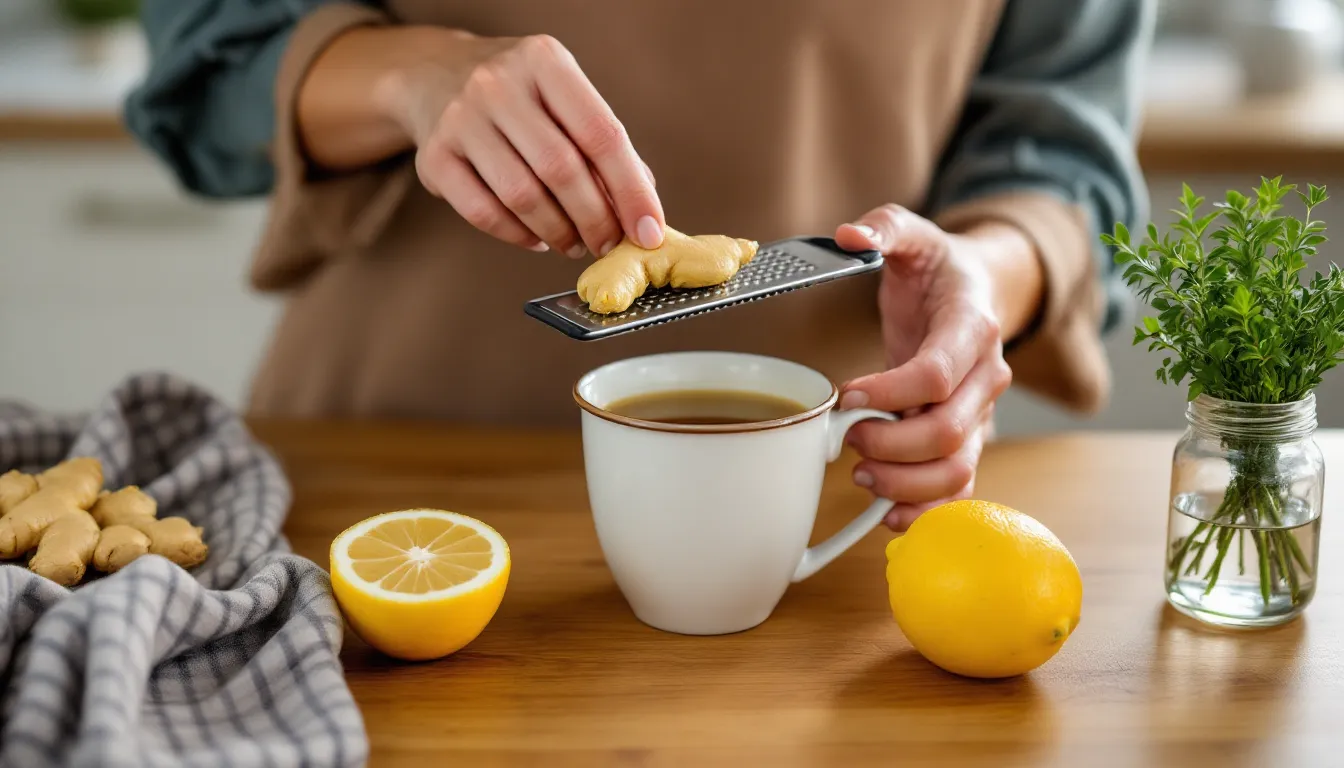
Ginger is probably the single most beloved digestive remedy in Ayurveda, and for good reason. Its qualities are warm, light, and sharp, which means it cuts directly through the cold, heavy, dull qualities of ama and sluggish digestion.
I keep fresh ginger root in my kitchen at all times. When nausea hits, I grate about a half-inch piece into hot water, add a small squeeze of lemon, and sip slowly. Within 15 to 20 minutes, the queasiness usually starts to soften.
What’s happening inside is genuinely elegant. Ginger’s warmth and sharpness reignite agni, that metabolic intelligence, helping your body process whatever’s sitting undigested in your system. It also has a subtle quality that helps move stagnant energy downward, which is exactly what you want when things feel stuck.
For Vata-type upset stomachs with gas and bloating, ginger works beautifully because its warmth counteracts Vata’s cold, dry tendencies. For Kapha-type heaviness and nausea, ginger’s light and sharp qualities are a perfect antidote.
A word of care for Pitta types, though, ginger is heating, so if your stomach is already burning or acidic, go easy. A tiny pinch of dried ginger in warm water is gentler than a big chunk of fresh root.
This remedy also supports your vitality triad. By clearing ama and rekindling agni, ginger helps protect ojas (your deep resilience), sharpens tejas (metabolic clarity), and frees up prana (life energy) that was getting bogged down by poor digestion.
Do this today: Grate a half-inch of fresh ginger into a cup of hot water and sip it 20 minutes before your next meal. Takes 2 minutes to prepare. Great for Vata and Kapha types, or anyone with nausea and bloating. Not ideal if you’re experiencing acid reflux or a burning stomach.
Peppermint Tea to Ease Bloating and Gas
Where ginger brings warmth, peppermint brings something different, a cool, light, and slightly sharp quality that’s incredibly soothing when bloating makes your abdomen feel tight and distended.
I find peppermint tea works best when gas is trapped and uncomfortable, especially after a heavy meal. The cool and mobile qualities of peppermint help relax the smooth muscles in your digestive tract, which allows things to move rather than stagnate.
From an Ayurvedic perspective, peppermint is particularly helpful for Pitta-type indigestion. When excess heat and sharpness have irritated your gut lining, peppermint’s cooling nature acts as a balm. It’s the “opposites balance” principle in action, cool pacifies hot, light counteracts heavy.
For Vata types, peppermint can be helpful in small amounts for moving trapped gas, but don’t overdo it. Its coolness can increase Vata’s already cold qualities if you drink it in large quantities. Blending it with a warming herb like fennel can balance things out nicely.
Kapha types can enjoy peppermint freely. Its lightness and subtle sharpness help cut through that dense, sluggish feeling.
One thing I appreciate about peppermint is its effect on prana, it genuinely clears the head and settles the nervous system, which matters because an upset stomach and a frazzled mind often travel together.
Do this today: Steep a peppermint tea bag or a small handful of fresh leaves in hot water for 5 minutes. Sip between meals rather than with food. Takes about 7 minutes total. Great for Pitta types and anyone with bloating and gas. Use cautiously if you tend to feel cold easily or have very dry digestion.
The BRAT Diet for Settling Your Stomach
You’ve probably heard of the BRAT diet, bananas, rice, applesauce, and toast. It’s a go-to recommendation when your stomach is truly upset, and honestly, Ayurveda would agree with the basic logic, even if the framing is different.
These foods share qualities that Ayurveda values during digestive distress: they’re light, bland, smooth, and easy to digest. When agni is weak, and it almost always is during an active upset stomach, the last thing you want is to overload it with complex, heavy, or oily foods.
I think of the BRAT approach as giving your digestive fire a chance to recover. Plain white rice, for example, is one of the most agni-friendly foods in Ayurveda. It’s light and smooth, easy to transform into nourishment without creating more ama.
Bananas bring a cool, smooth, and slightly heavy quality that’s soothing to irritated Pitta-type stomachs. Applesauce offers gentle sweetness and moisture.
There’s a nuance here, though. If your upset stomach is Kapha-type, heavy, sluggish, nauseous, loading up on bananas and applesauce might actually make the heaviness worse. In that case, stick more with plain rice and dry toast, and consider adding a pinch of ginger or black pepper to kindle some warmth.
For Vata-type distress, make the rice a bit soupy, almost like a thin porridge, with a touch of ghee. The oily, warm qualities of ghee soothe Vata’s dryness and roughness without taxing digestion.
Do this today: Choose one or two BRAT foods for your next meal when your stomach is acting up, and eat slowly in a calm setting. Takes the length of a normal meal. Suitable for most people during acute digestive upset. If symptoms persist beyond 48 hours, check with a qualified professional.
Apple Cider Vinegar and Baking Soda for Indigestion
This one comes up a lot, and I want to be honest about it, apple cider vinegar and baking soda can help certain types of indigestion, but they’re not universal fixes.
Apple cider vinegar has sour, warm, and light qualities. In Ayurvedic terms, the sour taste stimulates agni and can help when digestion feels sluggish and dull. If your indigestion stems from Kapha-type heaviness, that bloated, “food is just sitting there” sensation, a teaspoon of apple cider vinegar diluted in a small glass of warm water before meals may give your digestive fire a nudge.
Baking soda, on the other hand, is alkaline and cooling. It can temporarily ease the burning of Pitta-type acid indigestion. A quarter teaspoon dissolved in water acts quickly.
But here’s where discernment matters. Apple cider vinegar is the wrong choice for Pitta-type stomachs that are already hot and acidic, you’d be adding fire to fire. And baking soda, while cooling, is quite dull and heavy in quality, so using it regularly can actually suppress agni over time.
I’ve found the best approach is occasional, targeted use. Know which type of indigestion you’re dealing with, and choose accordingly.
Do this today: If you’re experiencing sluggish, heavy indigestion, try one teaspoon of apple cider vinegar in warm water 15 minutes before a meal. For burning indigestion, try a quarter teaspoon of baking soda in cool water as needed. Takes 2 minutes. Best for those who can identify their specific type of discomfort. Avoid apple cider vinegar if you have acid reflux, and don’t rely on baking soda as a daily habit.
Applying Heat to Relieve Stomach Cramps
There’s something almost instinctive about reaching for a hot water bottle when your stomach cramps up. And from an Ayurvedic standpoint, that instinct is spot on.
Stomach cramps often involve excess Vata, the cold, dry, mobile energy that causes spasms and constriction. Applying warmth introduces the opposite qualities: hot, stable, and smooth. The heat relaxes contracted muscles, encourages healthy downward movement of energy, and gently supports agni from the outside.
I use a simple heating pad or a warm wheat bag placed over my abdomen for about 15 to 20 minutes. The relief can be surprisingly fast.
This approach is also supportive for Kapha-type stomach discomfort, where cold and heavy qualities are dominant. The warmth helps melt that stagnation and get things flowing again.
For Pitta types, though, be careful. If your stomach pain comes with a burning quality, and you can usually tell, adding external heat can intensify it. In that case, a room-temperature or slightly cool cloth might actually feel better.
Heat therapy also has a calming effect on prana, the life force that governs your nervous system. When your belly is warm and relaxed, your whole nervous system tends to downshift from stress mode into ease.
Do this today: Place a warm (not scorching) heating pad over your abdomen for 15 to 20 minutes while resting. Best for Vata and Kapha types experiencing cramping or tightness. Avoid if your discomfort involves burning or inflammation.
Staying Hydrated With Clear Fluids
When your stomach is off, one of the simplest and most effective upset stomach fixes is just sipping warm water throughout the day. I know it sounds almost too basic, but hear me out.
In Ayurveda, warm water is considered a digestive tonic in its own right. It has light, warm, and fluid qualities that help dissolve and flush ama from your system. Cold water, by contrast, dampens agni, it’s like pouring cold water on a small campfire.
I keep a thermos of warm water with me when my digestion feels off. Small, frequent sips are better than gulping a big glass all at once. This keeps the digestive tract gently hydrated without overwhelming a weakened agni.
Clear broths are another excellent option, especially for Vata types who need warmth, moisture, and a little nourishment without heaviness. A simple vegetable broth with a pinch of cumin and black pepper provides gentle sustenance and keeps those dry, rough qualities in check.
For Pitta types, room-temperature water with a squeeze of lime can be soothing. And Kapha types benefit from warm water with a thin slice of ginger, just enough to keep things moving.
This steady hydration supports all three pillars of vitality. It helps protect ojas by preventing depletion, maintains tejas by keeping metabolic processes lubricated, and steadies prana by calming the nervous system.
Do this today: Fill a thermos with warm water first thing in the morning and take small sips every 30 minutes throughout the day. Takes no extra time once you’ve set it up. Suitable for everyone. If you’re experiencing vomiting or can’t keep fluids down, seek medical attention.
Chamomile, Fennel, and Other Herbal Remedies
I have a soft spot for fennel. After a meal, I’ll often chew on a small pinch of fennel seeds, it’s a habit I picked up years ago and one that Ayurveda has recommended for centuries.
Fennel has a uniquely balanced quality profile: it’s slightly warm, light, and sweet. This makes it one of the few digestive herbs that works well for all three doshas. It gently kindles agni without creating excess heat, making it safe even for Pitta-type stomachs.
Chamomile brings a different gift. Its qualities are cool, light, smooth, and calming. It’s especially helpful when your upset stomach has an emotional component, stress, anxiety, or tension held in the belly. Chamomile soothes both the gut and the mind, which is why it’s a favorite evening tea.
For Vata types, chamomile’s smooth quality counteracts roughness and eases spasming. For Pitta types, its cooling nature calms inflammation. And Kapha types benefit from its lightness.
Other herbs worth knowing: cumin (warm, light, and sharp, excellent for kindling sluggish agni), coriander (cool and light, wonderful for Pitta-related digestive heat), and ajwain (very warm and sharp, a quick fix for Vata-type gas and bloating, but too heating for Pitta).
These herbs work at a subtle level too. They clear the channels through which prana flows and help restore the metabolic clarity of tejas, which means your body gets better at distinguishing nourishment from waste.
Do this today: After your next meal, chew on a small pinch of fennel seeds or sip a cup of chamomile tea. Takes 5 minutes or less. Good for all dosha types. Avoid ajwain if you have acid reflux, and check with a professional if you’re pregnant or on medication.
Probiotics for Long-Term Digestive Balance
Probiotics have become a big topic in modern wellness, and I think they’re genuinely useful, especially when understood through an Ayurvedic lens.
Ayurveda has long valued cultured and fermented foods as digestive allies. Think of traditional buttermilk (takra), which has been used for centuries to support agni and clear ama. The light, sour, and slightly warm qualities of well-prepared fermented foods make them effective digestive kindlers.
The modern concept of gut flora maps beautifully onto what Ayurveda describes as the health of your digestive environment. When agni is strong and ama is low, beneficial microbes thrive. When ama accumulates, heavy, sticky, dull, it creates an environment where imbalanced flora can take hold.
For long-term digestive balance, consider including small amounts of fermented foods that suit your constitution. Vata types do well with warm, soupy preparations like a thin, spiced buttermilk. Pitta types can enjoy cooling fermented options in moderation, just avoid anything overly sour or spicy. Kapha types benefit from lighter ferments with warming spices added.
If you prefer a probiotic supplement, start slowly. Introducing too much too fast can temporarily increase gas and bloating, a sign that your system is adjusting.
Do this today: Try a small glass of diluted, room-temperature buttermilk with a pinch of cumin after lunch. Takes 3 minutes to prepare. Good for most people as a gentle starting point. Avoid heavy fermented foods if you’re dealing with acute nausea or if your tongue has a thick coating in the morning (a sign of significant ama).
Lifestyle Adjustments That Prevent Recurring Symptoms
Remedies are wonderful in the moment, but if you’re dealing with an upset stomach repeatedly, it’s worth looking at the patterns underneath. This is where Ayurveda really shines, it’s less interested in chasing symptoms and more interested in why they keep showing up.
Mindful Eating and Stress Management
I can’t overstate this one. How you eat matters as much as what you eat.
Eating while distracted, scrolling, working, driving, scatters prana and weakens agni. Your body literally can’t digest well when your nervous system is in a stressed, mobile, scattered state. That’s excess Vata at the dinner table.
Try eating at least one meal a day in relative quiet, without screens. Chew thoroughly. Put your fork down between bites. This isn’t about perfection, it’s about giving your digestive intelligence a fair chance to do its work.
Stress management is equally connected. Chronic stress increases the dry, light, and mobile qualities of Vata, which directly disturbs digestion. Even five minutes of slow, deep belly breathing before a meal can shift your system from “fight or flight” into “rest and digest.”
This protects ojas, your deep reserve of vitality, which gets depleted by chronic stress and poor digestion working together.
Do this today: Choose one meal today to eat without any screens, in a calm environment. Add 5 slow breaths before you start. Takes no extra time. Suitable for everyone, regardless of dosha type.
Foods and Habits to Avoid
Some patterns are almost guaranteed to weaken agni and create ama over time.
Eating heavy meals late at night, when your digestive fire is naturally low, is a big one. Ayurveda teaches that agni follows a daily rhythm, it peaks around midday when the sun is strongest and diminishes in the evening. Eating your largest meal at lunch and keeping dinner light aligns with this rhythm beautifully.
Combining incompatible foods is another common trigger. Fruit with dairy, for instance, or mixing very hot and very cold foods in the same meal. These combinations confuse agni because they require opposing digestive qualities to process.
Also worth reconsidering: ice-cold beverages with meals (they douse the digestive fire), constant snacking (agni never gets a chance to fully process one meal before the next arrives), and eating when you’re not actually hungry.
Do this today: Move your largest meal to lunchtime and eat a lighter dinner at least 2 to 3 hours before bed. Takes some planning but no extra time. Good for anyone with recurring bloating, nausea, or indigestion. If you have blood sugar concerns, work with a professional to adjust meal timing safely.
When to See a Doctor About Stomach Problems
I want to be straightforward here. Most occasional upset stomachs respond well to the gentle remedies in this text. But some situations call for professional guidance, and it’s important to know the difference.
Consider seeing a doctor if your symptoms persist for more than a few days, if you notice blood in your stool or vomit, if you’re experiencing unexplained weight loss, or if the pain is severe and localized. Persistent high fever alongside stomach issues also warrants medical attention.
In Ayurvedic terms, these could indicate deep-seated ama that has moved beyond the digestive tract, or a significant dosha imbalance that needs professional assessment, whether from a medical doctor, a qualified Ayurvedic practitioner, or both.
This is general education, not medical advice. If you’re pregnant, managing a condition, or taking medication, check with a qualified professional.
Do this today: If any of the warning signs above apply to you, schedule an appointment with your healthcare provider this week. Takes 10 minutes to make the call. This guidance is for anyone whose symptoms feel beyond ordinary digestive discomfort.
Conclusion
Here’s what I keep coming back to: your digestion is intelligent. It’s not a machine that’s broken, it’s a living system that’s communicating with you. Bloating, nausea, indigestion, these are signals, not punishments.
The upset stomach fixes I’ve shared here aren’t about forcing your body into compliance. They’re about listening to what it’s asking for, warmth when it’s cold, lightness when it’s heavy, calm when it’s scattered, and responding with care.
Whether you start with ginger tea in the morning, move your big meal to midday, or simply sit down and breathe before eating, each small step supports your agni and helps clear the way for real nourishment to reach your tissues and build your vitality.
Ayurveda isn’t asking you to overhaul your life overnight. It’s inviting you to pay attention, experiment gently, and trust that your body knows how to heal when given the right conditions.
I’d love to hear from you, what’s one digestive remedy that’s made a real difference in your life? Drop a comment below or share this with someone who could use a little stomach relief today.